5 Things That Can Cause Vermiculite Insulation Damage
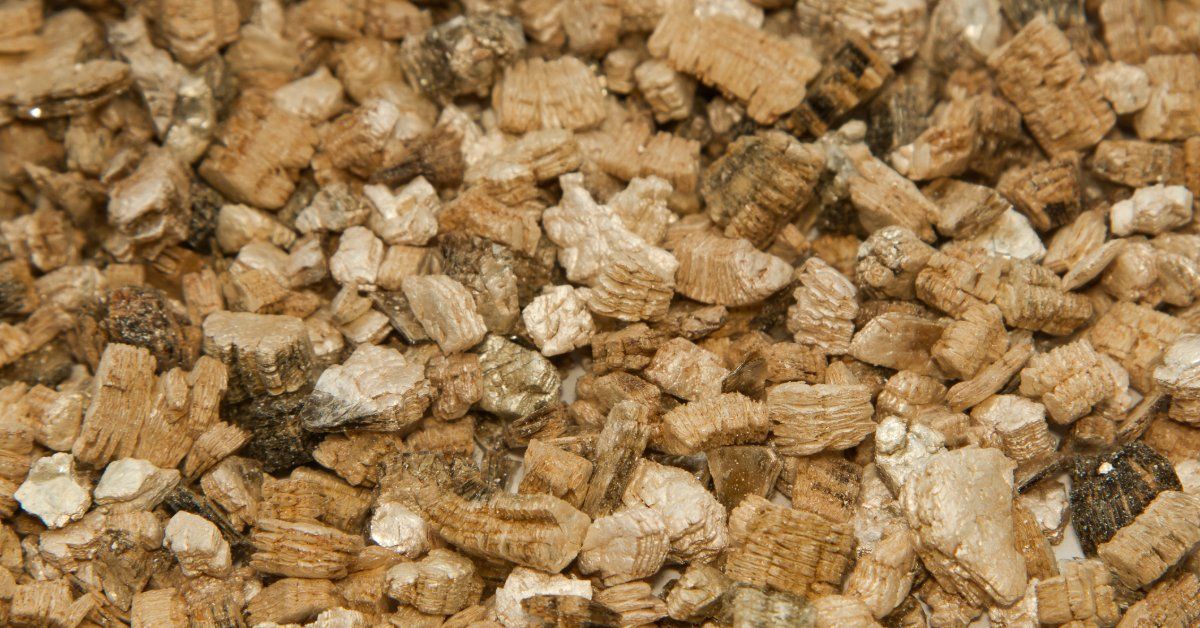
Vermiculite insulation serves as an effective thermal barrier in many homes, but various factors can compromise its integrity over time. Professional assessment becomes necessary when damage occurs, as compromised vermiculite insulation can pose serious health risks and reduce energy efficiency. Knowing the following five things that can cause vermiculite insulation damage allows property owners to identify issues and maintain a safe indoor environment.
Water Infiltration Problems
Moisture represents one of the most destructive forces affecting vermiculite insulation. Water infiltration occurs through roof leaks, plumbing failures, or inadequate vapor barriers.
When moisture penetrates vermiculite, it causes the material to clump together, resulting in a loss of its insulating properties. The wet environment also promotes mold growth, which can spread throughout the insulation layer. Professional moisture remediation services can identify water sources and implement comprehensive solutions to prevent further damage.
Rodent Activity Compromises Insulation
Small animals and rodents frequently target vermiculite insulation as nesting material. Mice, rats, and squirrels burrow through the insulation, creating gaps that reduce thermal efficiency. Rodents can also leave droppings and urine that contaminate the material. Their constant movement compacts the vermiculite, destroying its ability to trap air effectively.
Settling Reduces Performance
Vermiculite insulation naturally settles over time due to gravity and the movement of the building. The settling process creates uneven coverage and reduces the material’s overall thickness.
Temperature fluctuations cause the building structure to expand and contract, accelerating the settling process. Areas with insufficient coverage allow heat transfer, increasing energy costs. Professional insulation contractors can evaluate settling patterns and recommend appropriate solutions to restore thermal performance.
Aging Materials
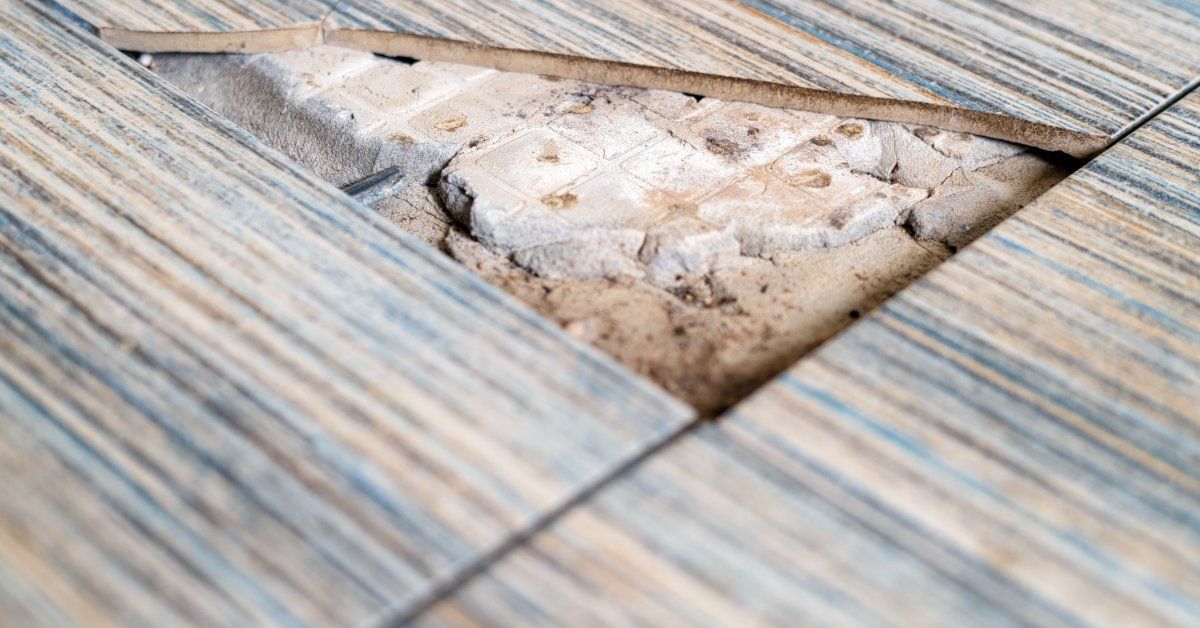
Vermiculite insulation degrades over time, particularly in installations from several decades ago. The material’s structure breaks down, reducing its ability to provide thermal resistance.
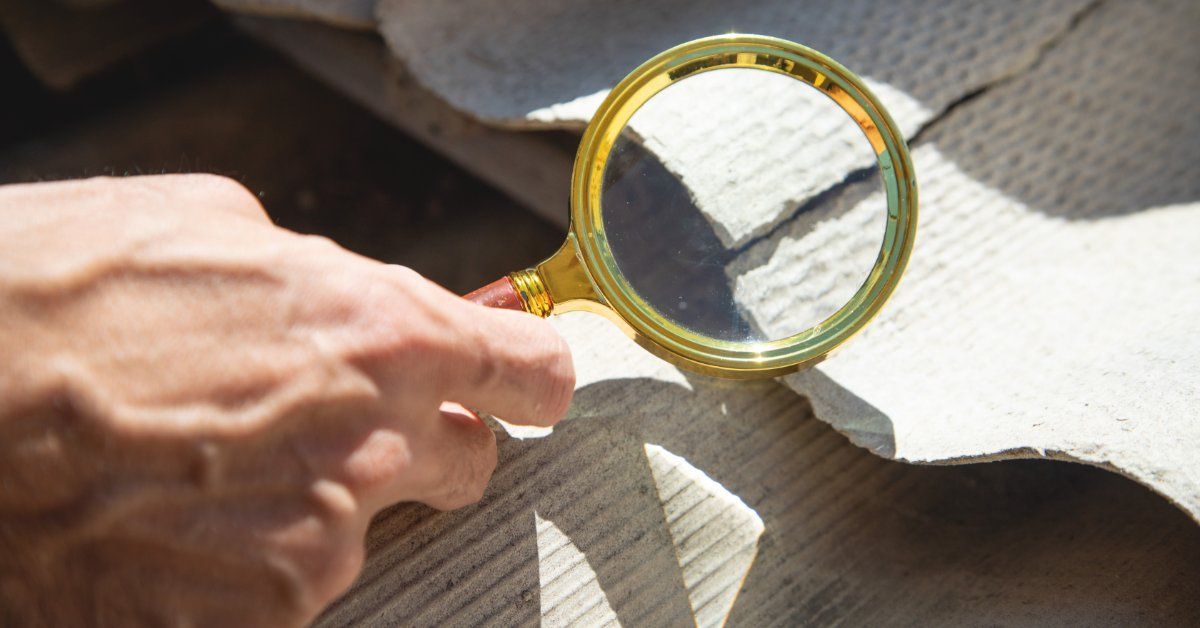
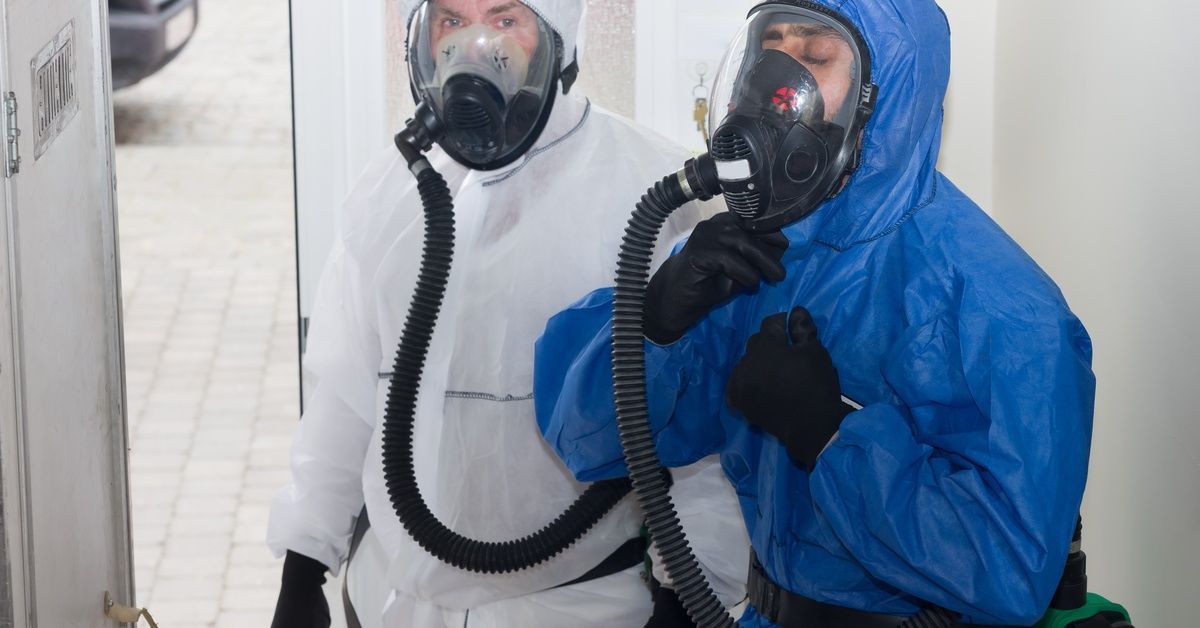
Older vermiculite may also contain asbestos, which poses significant health risks when disturbed. Professional inspections can identify aging insulation that requires replacement or specialized handling procedures.
Improper Installation Issues
Incorrect installation techniques often lead to the premature failure of vermiculite insulation. Inadequate depth, uneven distribution, or compression during installation reduces effectiveness.
Some installers fail to account for air circulation requirements, leading to moisture problems. Poor workmanship can also result in gaps that allow heat transfer and reduce energy efficiency. Professional installation services ensure the use of proper techniques and materials that maximize insulation performance.
Contamination Requires Intervention
Vermiculite insulation can become contaminated with various substances that compromise its safety and effectiveness. Asbestos contamination poses the most serious concern, particularly in older installations.
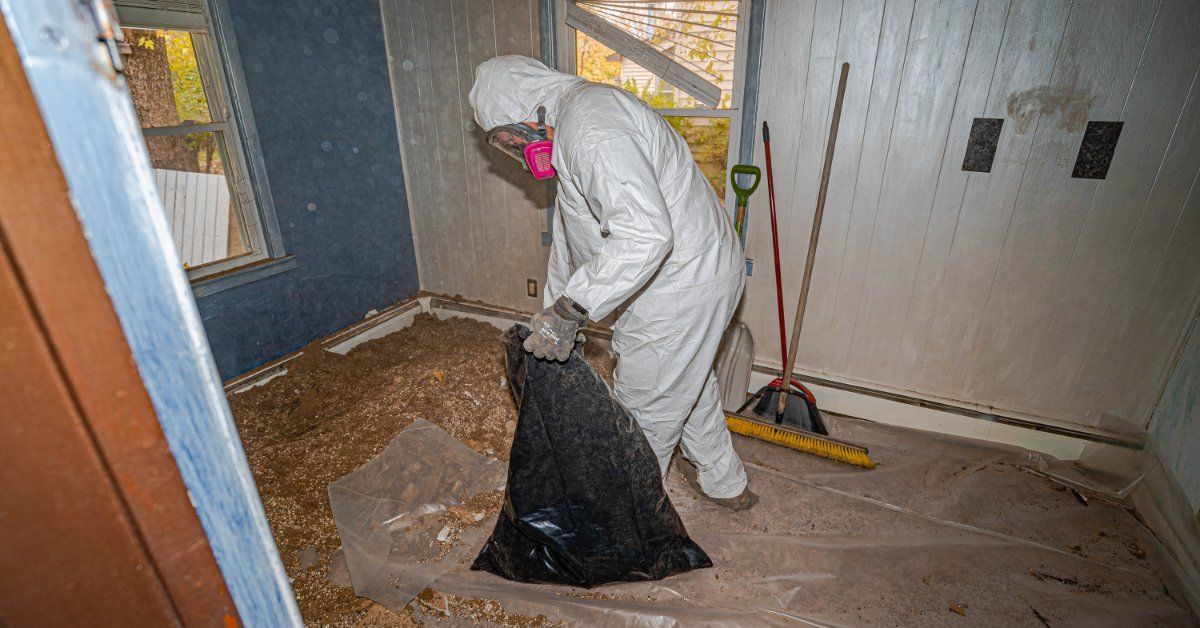
Chemical spills, smoke damage, or other environmental factors can also contaminate the material. Professional ecological testing and remediation services may be in order. Vermiculite insulation removal might be necessary to address contamination issues to protect the health of occupants.
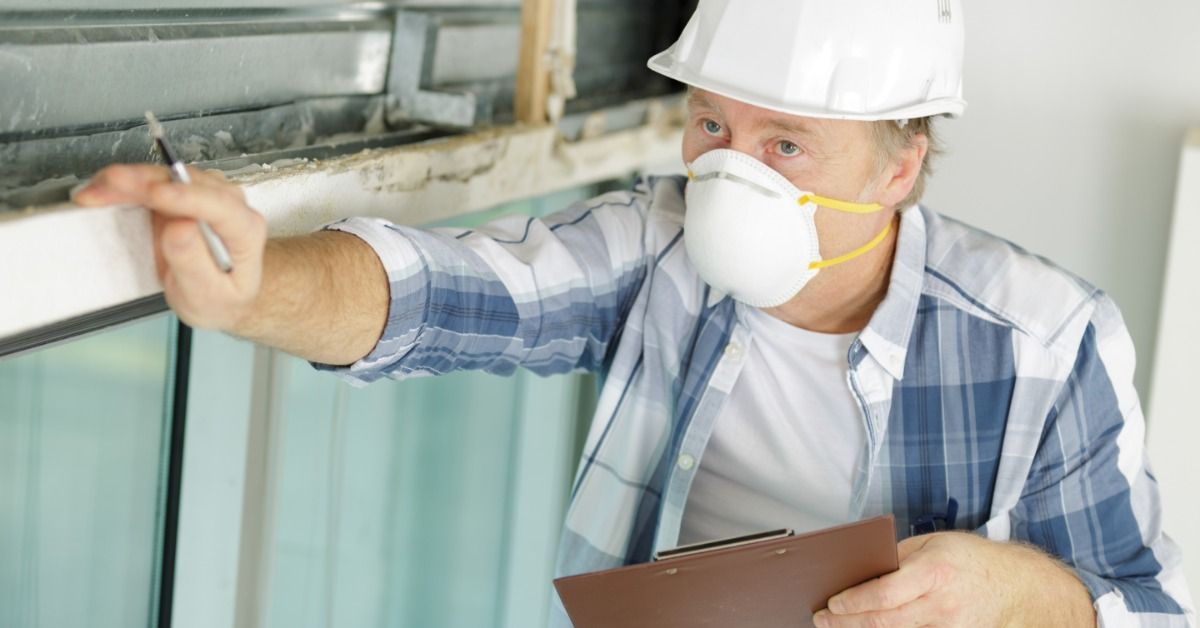
A Professional Assessment
Recognizing these five things that can cause vermiculite insulation damage prevents costly repairs and health hazards. Professional assessment services provide an accurate evaluation of insulation condition and recommend appropriate remediation strategies.
The expert technicians at Air Safe utilize specialized equipment to identify issues that property owners may overlook. Their comprehensive approach guarantees safe handling of potentially hazardous materials while restoring thermal performance. Contact Air Safe today for expert assessment and remediation services, protecting both property value and occupant safety while ensuring optimal energy efficiency.