Sealing vs. Removal of Vermiculite in Your Home
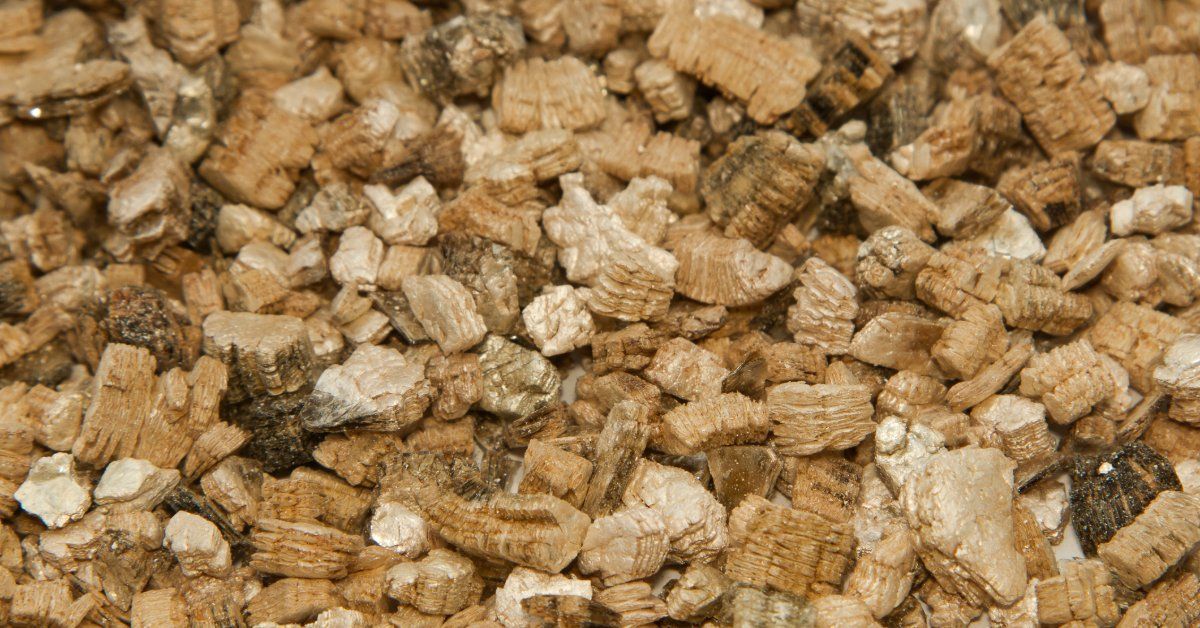
Vermiculite insulation often raises concerns because some older products contained asbestos. Homeowners need a clear answer: should they seal the material in place, or should they remove it? The right choice depends on the insulation’s condition, your renovation plans, your long-term goals, and the level of risk inside the home. This decision has an impact on home sales, energy upgrades, and attic projects in Eastern Massachusetts.
Sealing, also called encapsulation, aims to keep the material undisturbed. Removal, on the other hand, takes the insulation out of the home entirely. Both options can solve a problem, but they serve different needs. A homeowner who wants to avoid disturbing stable material may prefer sealing, while a homeowner planning major attic work may need full removal instead. Below, we’ll compare sealing versus removal of vermiculite in your home so you can make the right decision.
When Sealing May Make Sense
Sealing can work well when the vermiculite is in good condition and sits in an area that no one will disturb. In that situation, the main goal is to prevent fibers from moving into living spaces. A contractor may create a controlled barrier, limit access, improve containment, and reduce future disturbance.
This option often costs less than removal, and it can reduce short-term disruption. It also suits homeowners who do not plan to renovate the attic soon. Still, sealing does not eliminate the material. That point matters because future repairs, inspections, or remodeling work could reopen the issue.
When Removal Offers a Better Long-Term Solution
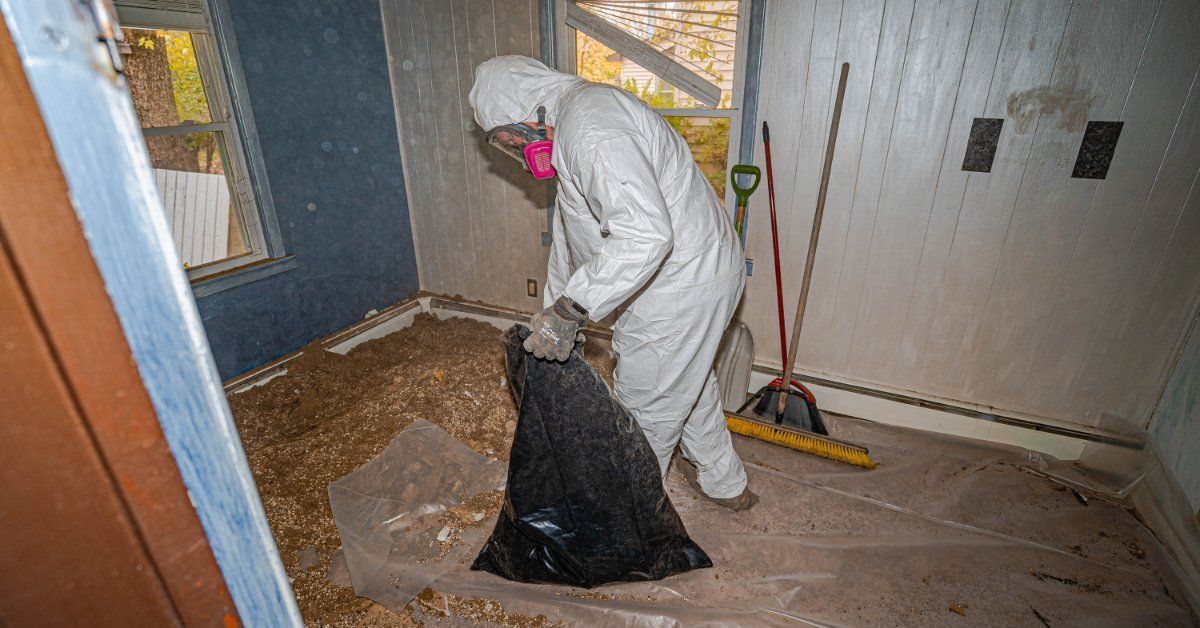
Removal gives homeowners the most complete resolution because it takes the vermiculite out of the structure. That approach often makes more sense when the insulation has shifted, deteriorated, or may interfere with future work. It also helps when a homeowner wants fewer unknowns during a real estate transaction.
Many people choose vermiculite removal because it creates a cleaner path forward. After removal, homeowners can move ahead with insulation upgrades, attic improvements, and property sales with greater confidence. While removal usually involves a larger upfront investment, it can prevent repeat concerns later.
What Should Shape Your Decision
Several factors usually drive the decision between vermiculite removal versus sealing in homes: material condition, planned renovations, budget, timeline, and long-term property goals. Each factor affects risk in a different way. Damaged insulation increases concern, while a quiet attic with no planned work may support a sealing approach. On the other hand, a home sale or energy-efficiency project may make removal the stronger option.
If you need help weighing sealing against removal, contact Air Safe before making changes in your attic. Our professional assessment can clarify the safest, most practical next step for your home, your plans, and your budget.