What Permits Are Required for Asbestos Removal in Boston?
Property owners often ask about the permits required for asbestos removal in Boston before starting renovation or demolition work. Local, state, and federal rules regulate asbestos because disturbed materials can release hazardous fibers into the air. These regulations protect residents, workers, and nearby properties from exposure.
Boston enforces strict permitting and notification procedures before any asbestos project begins. Contractors must follow city and state requirements, submit proper paperwork, and coordinate with regulatory agencies. These steps ensure that trained professionals remove asbestos safely and dispose of it according to environmental standards.
Why Boston Requires Permits for Asbestos Work
Boston requires permits because asbestos poses serious health risks when fibers become airborne. Inhaled fibers can lodge in lung tissue and cause long-term illnesses such as mesothelioma, lung cancer, and asbestosis. City officials enforce strict controls to prevent uncontrolled removal or illegal disposal.
Permits also allow regulators to monitor asbestos projects. Officials review work plans, confirm contractor licensing, and ensure proper containment methods. These checks reduce the chance that fibers spread to neighboring homes, businesses, or public spaces. Because many older Boston properties contain asbestos materials, the city prioritizes oversight to protect dense residential neighborhoods.
Massachusetts Department of Environmental Protection Notification
Most asbestos projects require notification to the Massachusetts Department of Environmental Protection (MassDEP). Contractors must submit an asbestos notification form before removal begins. This filing outlines the project location, removal method, and amount of asbestos involved.
MassDEP typically requires submission at least 10 working days before the project starts. This advance notice allows regulators to review the work plan and schedule inspections if necessary. Emergency situations may qualify for expedited notification, but contractors must still follow documentation requirements.
Boston Inspectional Services Department Permit
Many asbestos projects in Boston also require a permit from the Boston Inspectional Services Department (ISD). This permit applies when asbestos removal connects to renovation, demolition, or structural work within a property.
ISD reviews the project scope and confirms that licensed professionals will handle the removal process. The department may also verify that contractors follow safety standards such as containment barriers, air monitoring, and proper waste packaging. Local permits add another layer of oversight that protects residents and construction workers throughout the city.
Licensed Contractors and Compliance Requirements
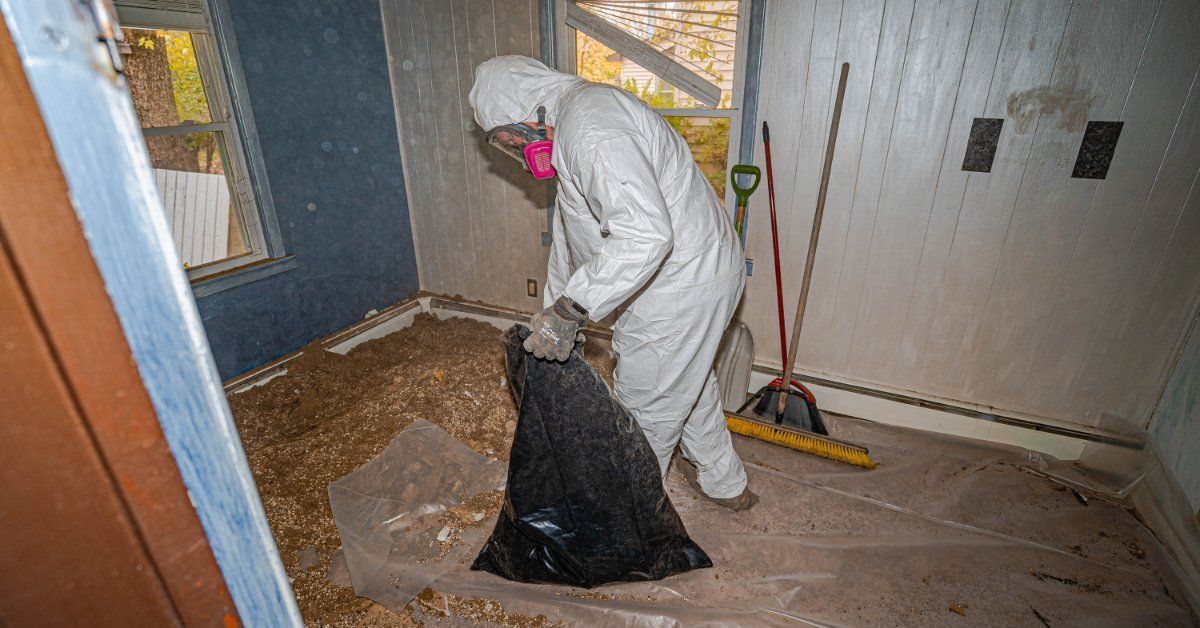
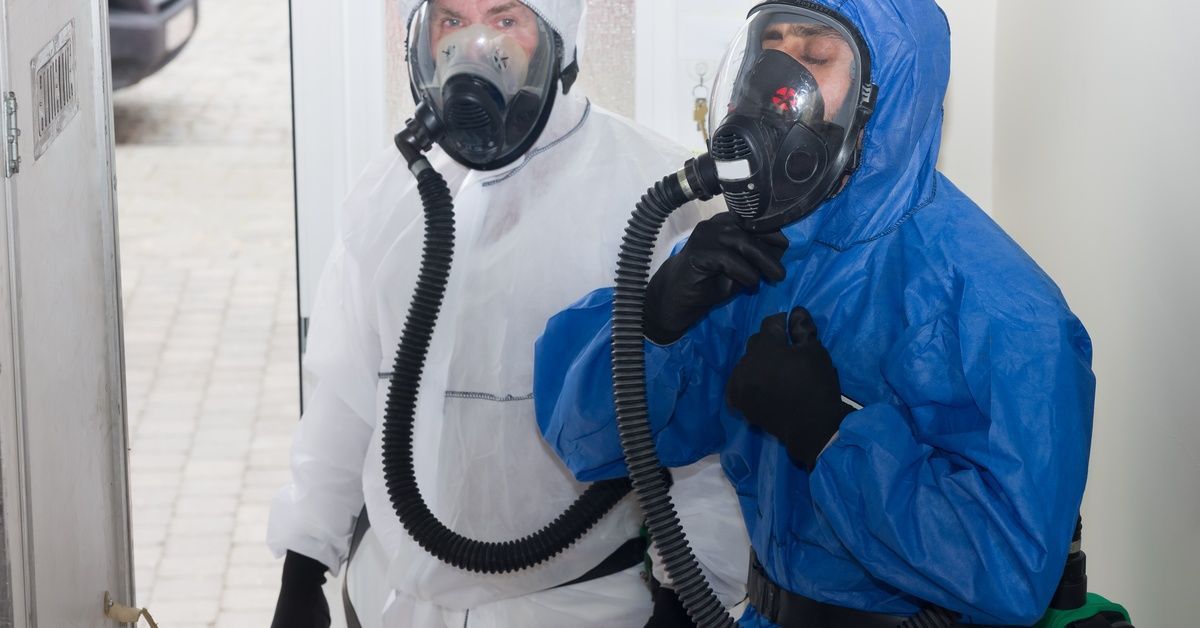
Massachusetts law requires licensed asbestos contractors to perform removal work. Certified workers complete specialized training on containment systems, personal protective equipment, and safe disposal practices. Licensed contractors also coordinate permit filings and regulatory notifications. Their experience ensures that the project follows all local, state, and federal requirements.
Homeowners should never attempt asbestos removal themselves, as improper handling can contaminate a property. Companies like Air Safe focus on residential asbestos and vermiculite removal services in Eastern Massachusetts. We work with homeowners to navigate these regulations and ensure safe project completion.
Permits Required for Asbestos Removal in Boston: Final Steps
Homeowners should confirm what permits are required for asbestos removal in Boston before beginning any construction project that could disturb hazardous materials. Proper permits, contractor licensing, and regulatory notifications all play critical roles in protecting health and maintaining legal compliance.
If you suspect asbestos in your home, consult professionals who specialize in asbestos removal in Boston and understand local permitting procedures. Air Safe offers a team of experienced contractors that can coordinate filings, handle safe removal, and ensure that the project meets all regulatory standards. Contact us today to schedule an inspection and discuss the permits required for your project.