DIY Home Project Dust Dangers To Be Aware Of
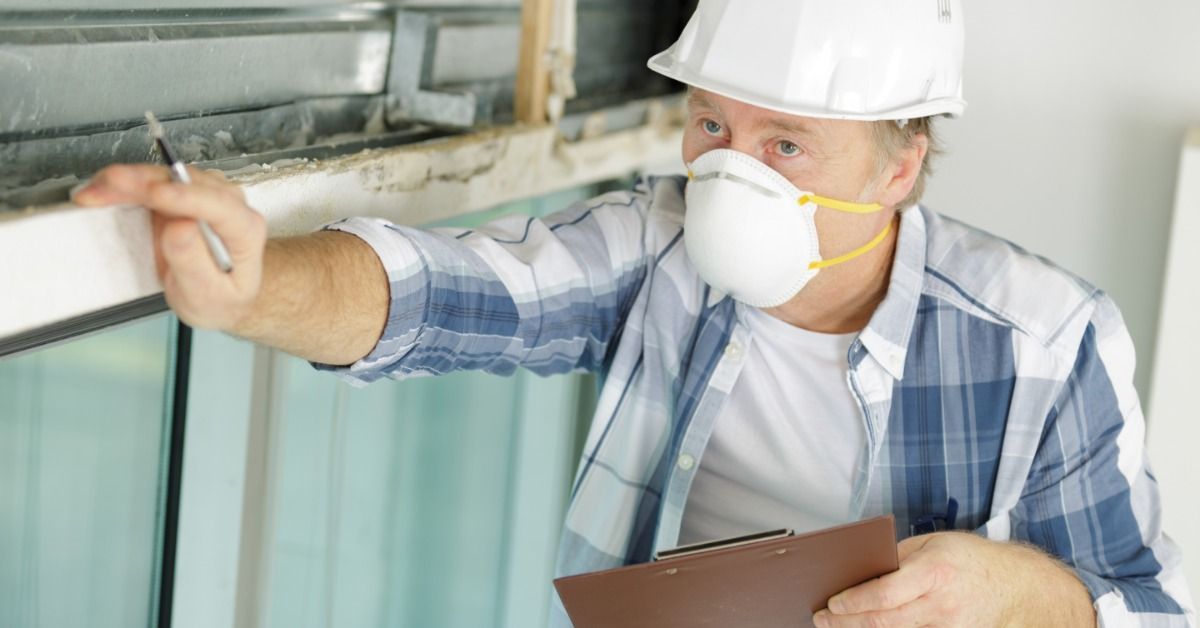
A home improvement project can increase comfort and add value. However, many focus on tools and materials while overlooking airborne dust. During a DIY home project, the dangers of dust deserve just as much attention as the work itself. Tiny particles can spread throughout a home and create health concerns long after the process ends.
Common Dust Sources
Dust can come from many parts of a renovation project. Some materials create larger particles that settle quickly, while others release extremely fine debris that lingers in the air. Consequently, understanding where dust originates helps homeowners prepare for safer work conditions.
Several common sources deserve attention:
- Drywall sanding creates fine particles that spread easily
- Wood cutting releases dust that can irritate the respiratory system
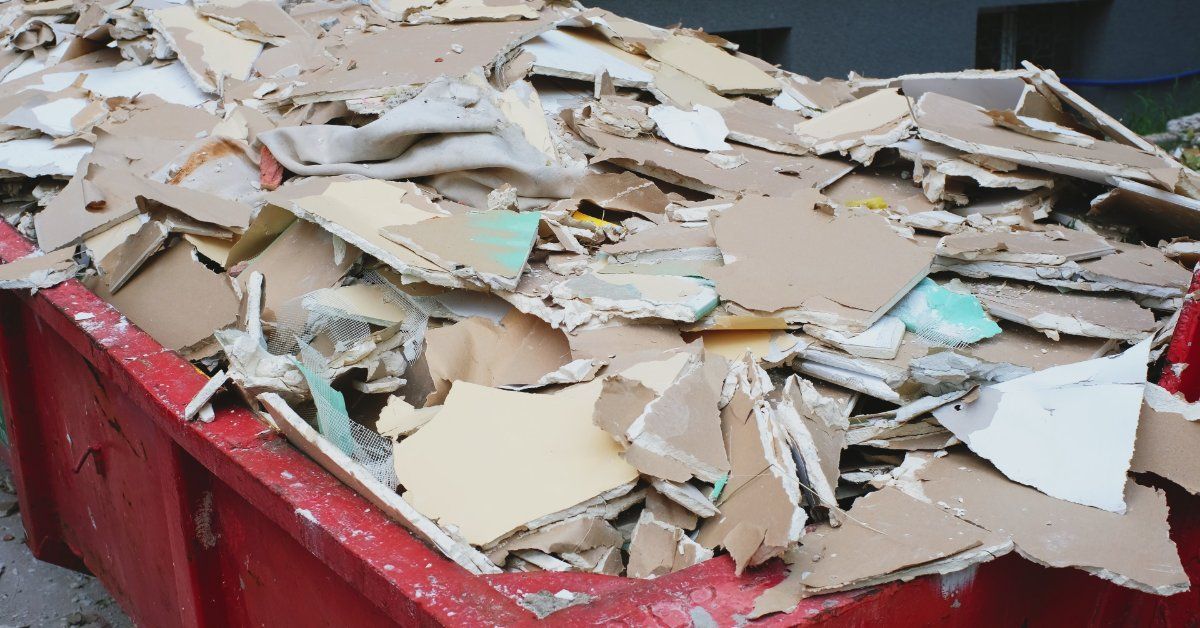
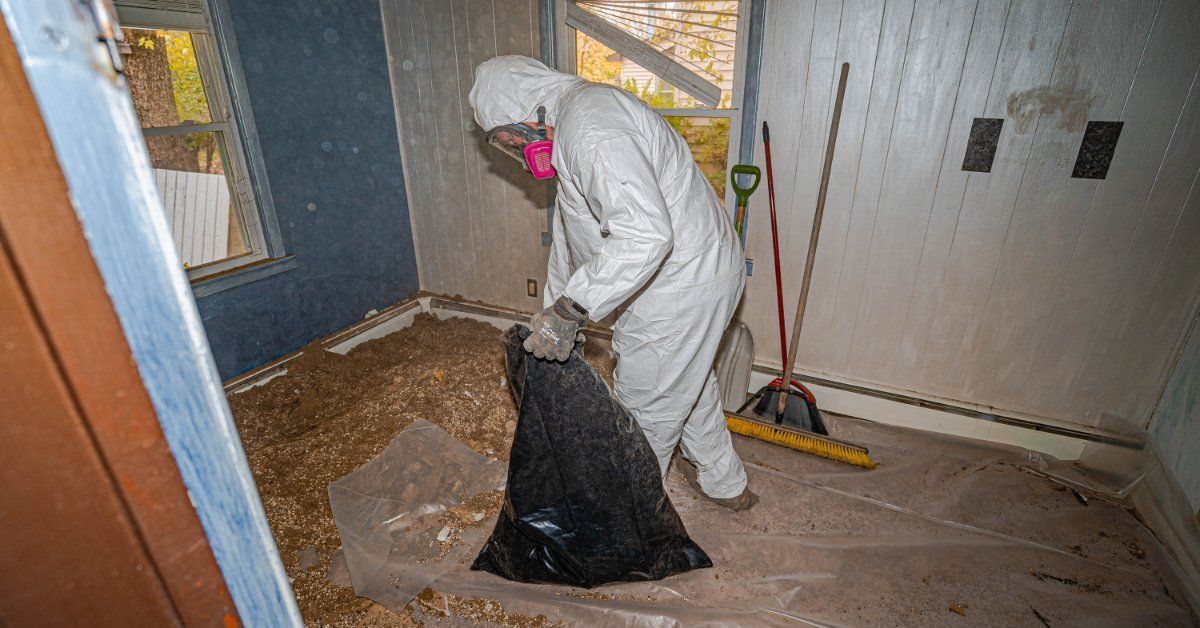
- Demolition work generates debris from multiple building materials
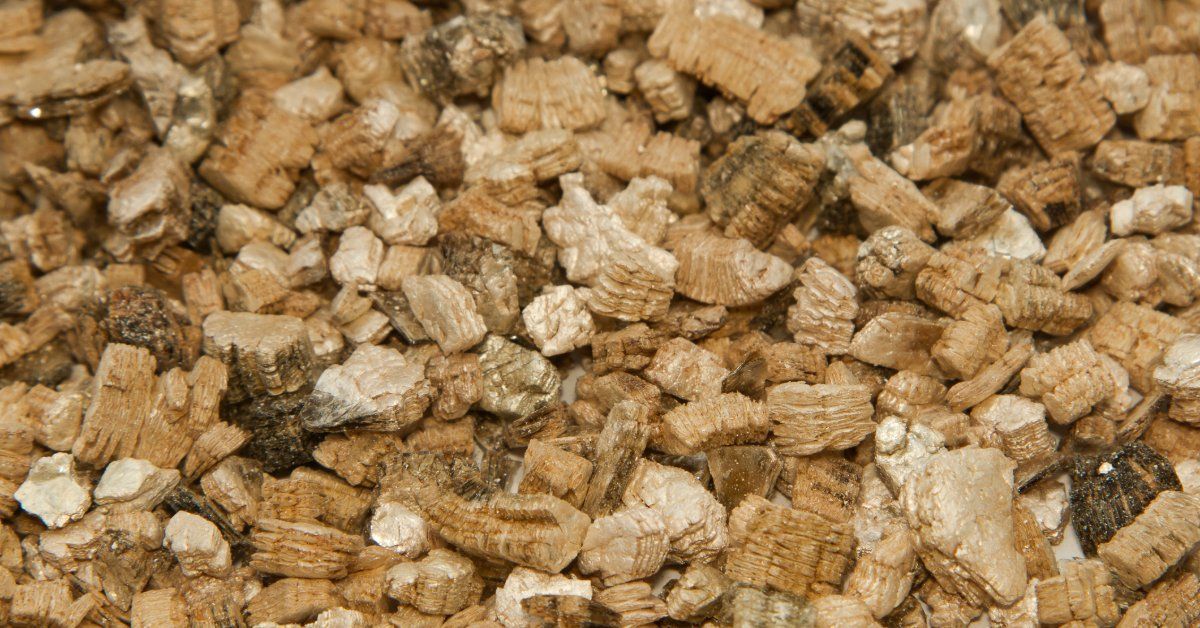
- Insulation disturbance may release fibers into surrounding areas
- Concrete grinding produces very small particles that remain airborne
Dust Travels Far
Fine dust particles can move through doorways, vents, and other openings with surprising ease. Additionally, some dust remains suspended in the air for hours before settling. Family members may breathe in those particles without realizing it. This issue becomes particularly important when renovation work disturbs older building materials.
Reduce Indoor Exposure
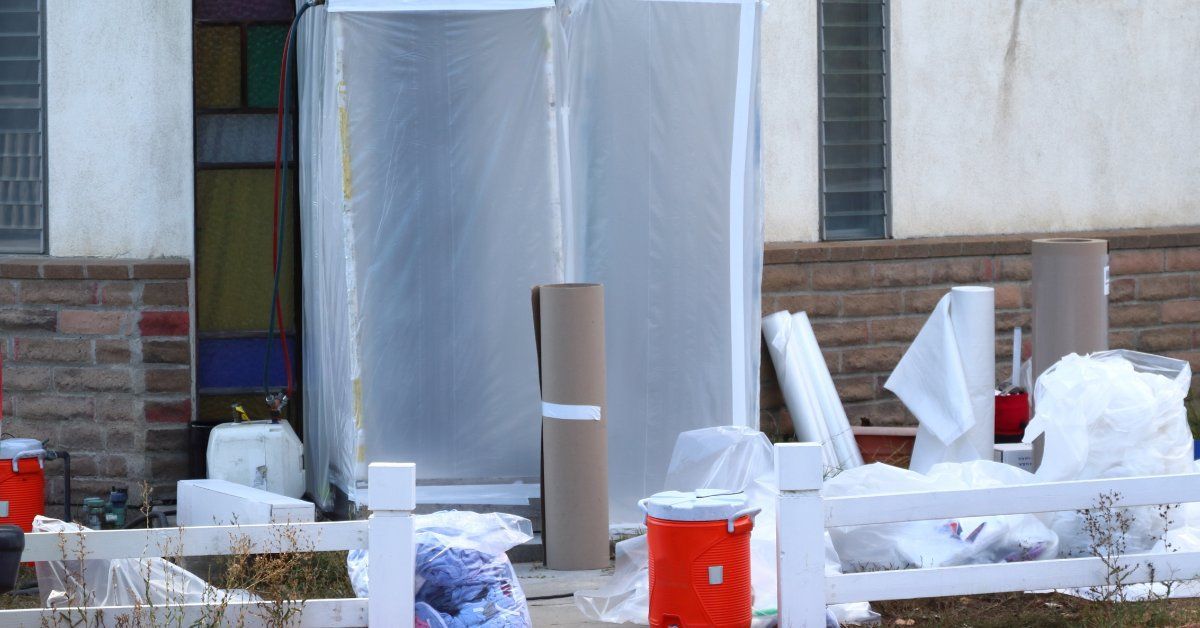
Containing dust at the source provides one of the best ways to protect indoor air quality. You can use plastic barriers and dust-collection equipment to help reduce the amount of debris entering living spaces. Furthermore, keeping work areas isolated limits contamination throughout the home.
After work concludes, cleanup deserves careful attention. Sweeping can stir particles back into the air, so vacuum systems equipped with appropriate filtration offer a better solution.
Hidden Risks In Older Homes
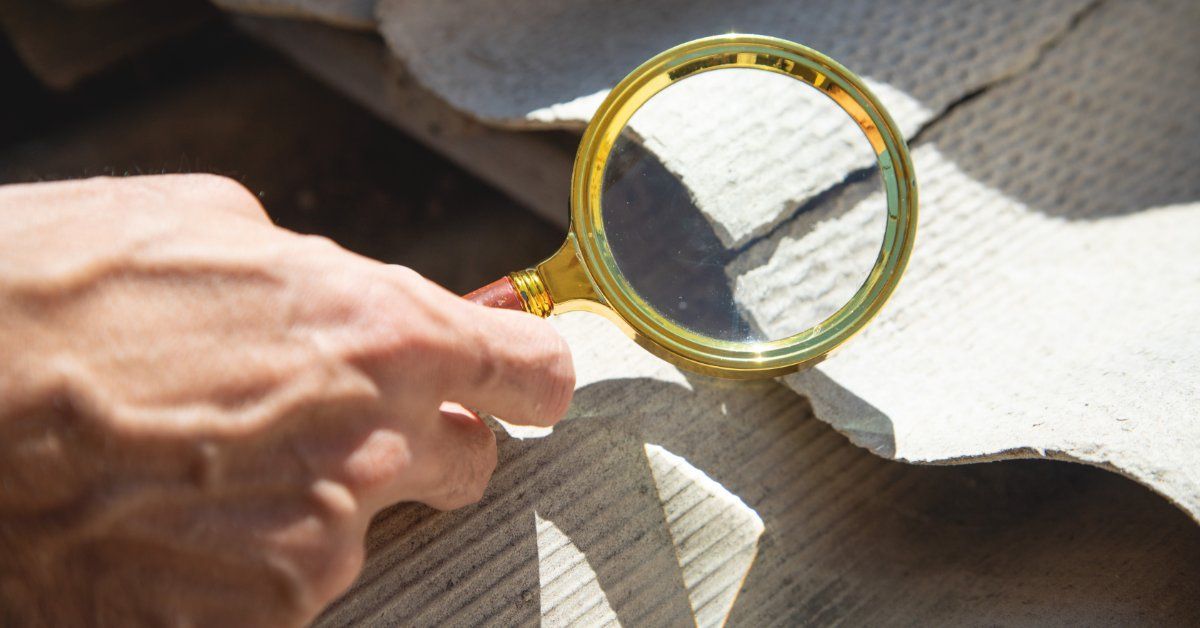
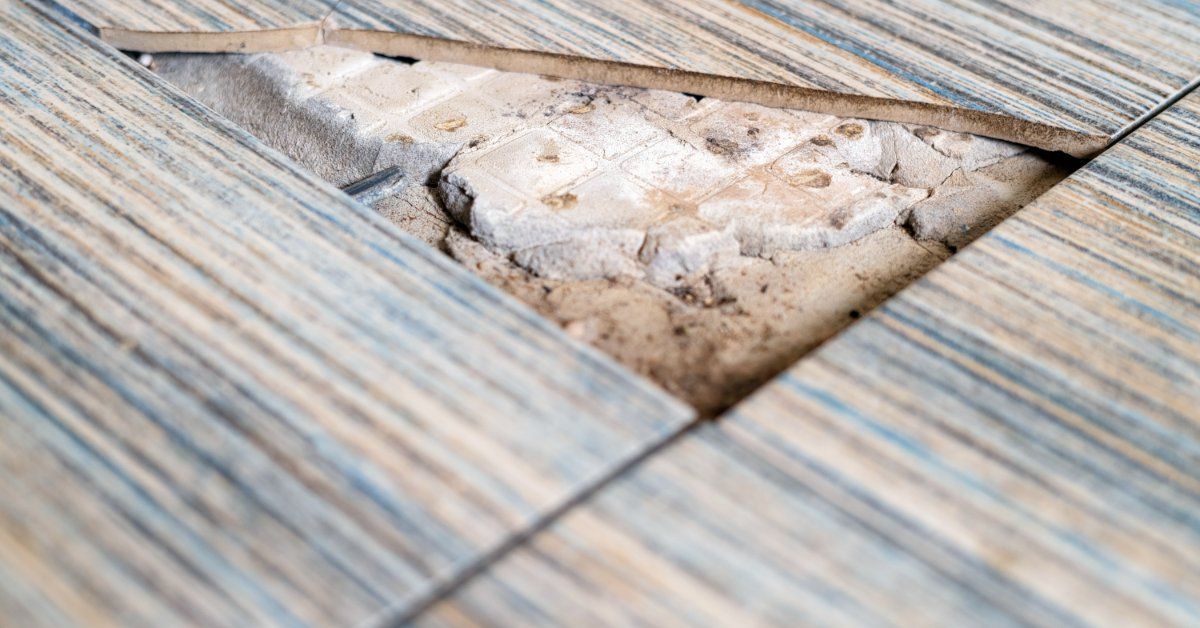
Older homes may contain materials that need special attention during renovation projects. When you drill into walls or ceilings, you may release dust and particles that are difficult to identify. Because of this, it's a good idea to learn about the age of your home and building materials before starting any work.
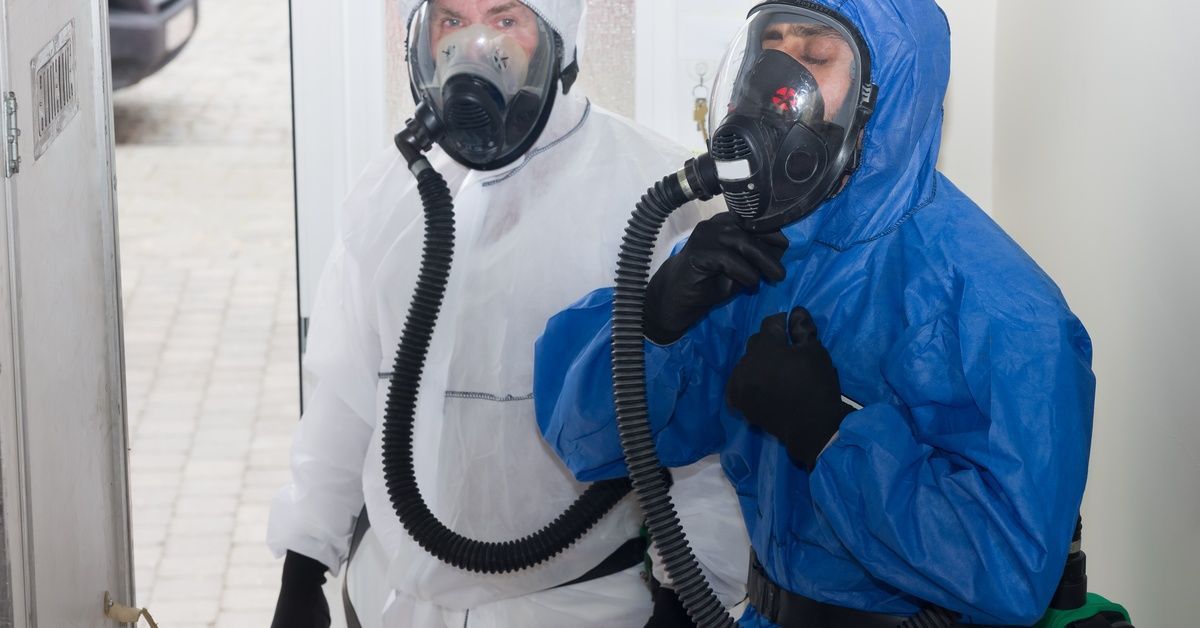
Asbestos is one example of a hidden hazard that may be present in older homes. If you suspect it, professional asbestos abatement in MA safely identifies and removes affected materials according to state and federal regulations.
When Professional Help Makes Sense
Every DIY home project should consider the dangers of dust. Some projects create dust levels that exceed what basic household precautions can manage. Large-scale demolition and major attic work require additional evaluation. Therefore, homeowners should assess potential risks before beginning extensive work.
If renovation work raises concerns about asbestos or other hazardous materials, Air Safe Inc. can provide guidance based on decades of experience. Contact our team to discuss your situation and learn what steps may be appropriate for your home.