5 Issues With Vermiculite Insulation in Attics
Vermiculite insulation, once a popular material for its lightweight and insulative properties, is now a significant concern for many homeowners. Typically found in homes built before the mid-1980s, vermiculite was widely used in attics across the United States.
Although initially effective as insulation, there are five issues with vermiculite insulation in attics that you need to be aware of. The presence of asbestos in many vermiculite products makes it a potential health hazard, and knowing about the issues associated with this insulation is vital for ensuring the safety of your home.
Vermiculite Insulation
The primary concern around vermiculite insulation stems from its association with asbestos contamination. Most vermiculite mined in previous decades originated from a location in Libby, Montana, which is infamous for containing asbestos fibers.
When disturbed, these fibers can become airborne, increasing the risk of diseases such as mesothelioma, asbestosis, and lung cancer. Because asbestos fibers are microscopic, they can easily go unnoticed in your home's environment, creating a silent but dangerous risk.
Airborne Contamination
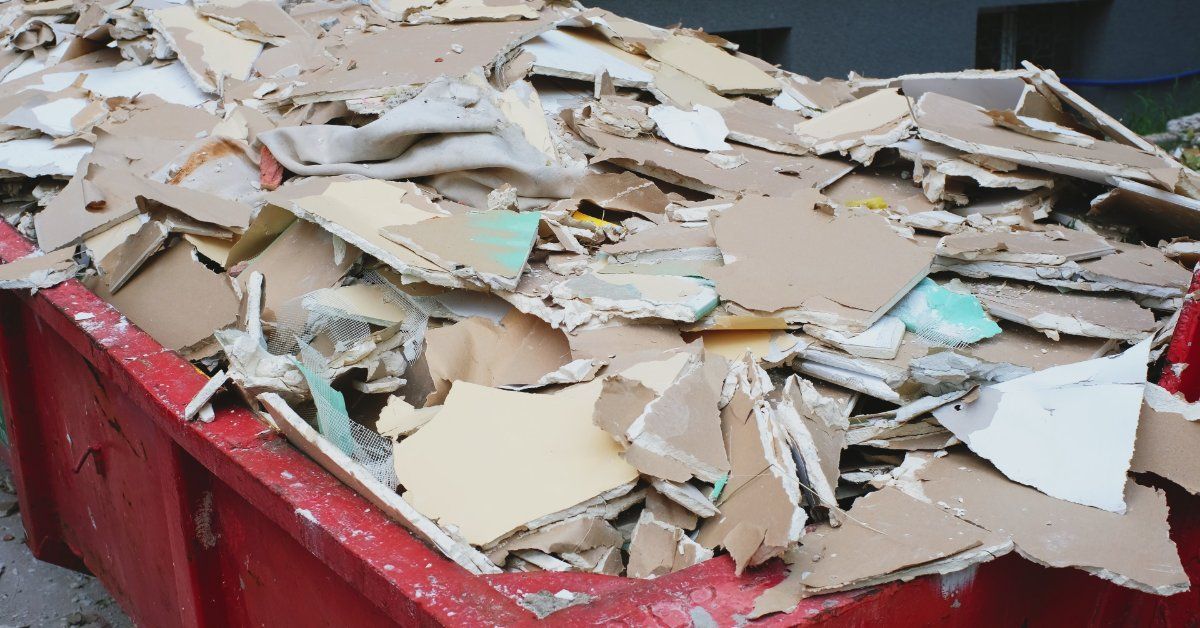
Vermiculite insulation becomes a problem when it is shifted or moved. Renovations, demolitions, or even routine maintenance can disturb the material, releasing harmful asbestos fibers into the air.
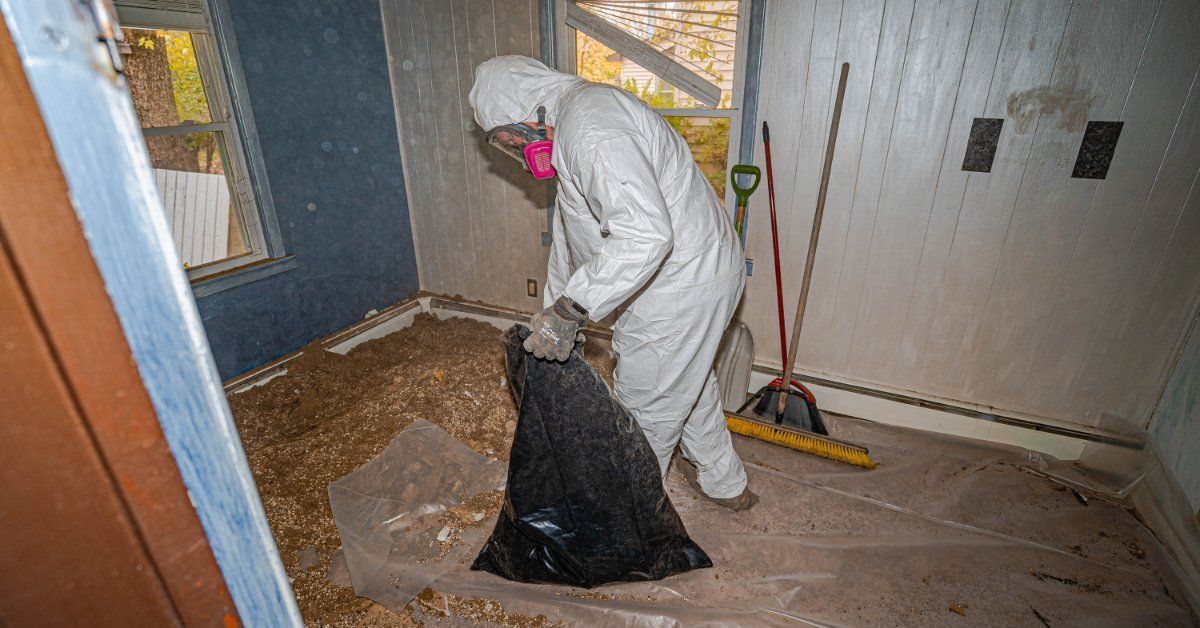
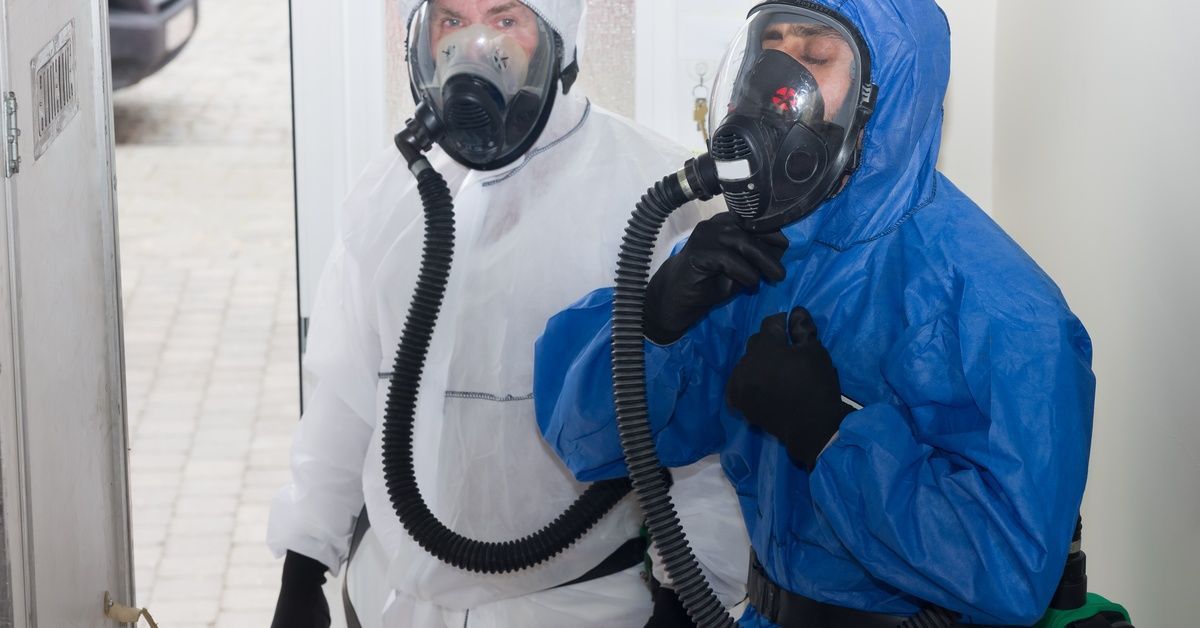
This contamination risk underscores the importance of leaving vermiculite undisturbed and consulting professionals for inspections and removal. Trained asbestos contractors use specific techniques and HEPA filtration systems to manage and remove contaminated materials safely.
Challenges in Identification
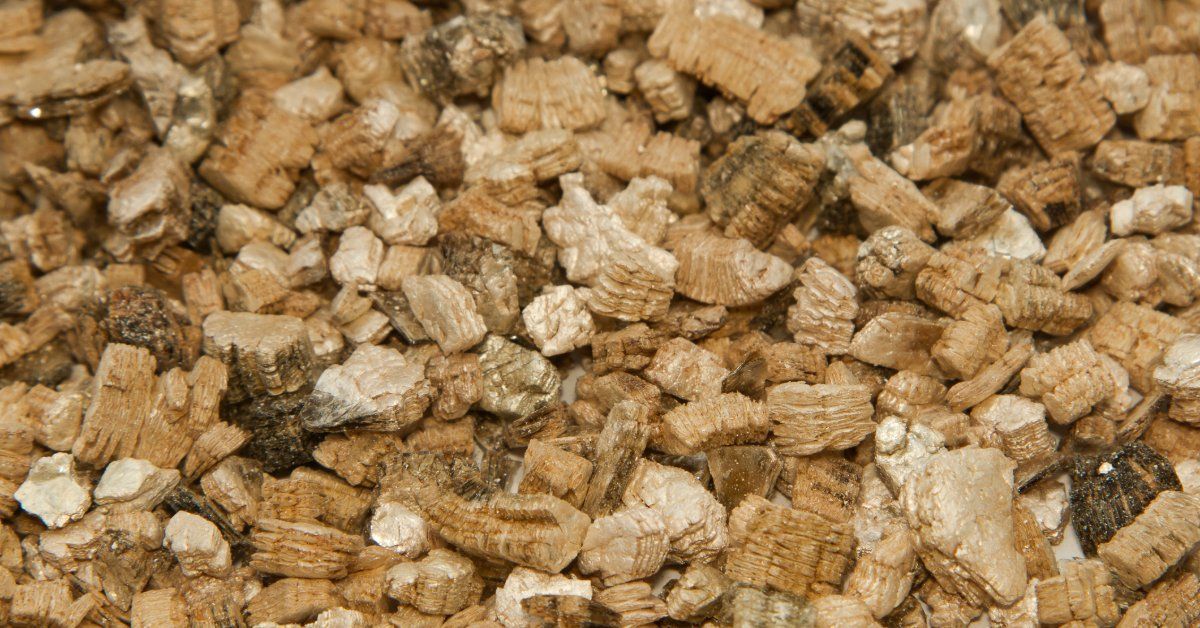
Identifying vermiculite insulation in your attic can be tricky. It typically appears as small, pebble-shaped particles ranging in color from silver-gold to brown-gray.
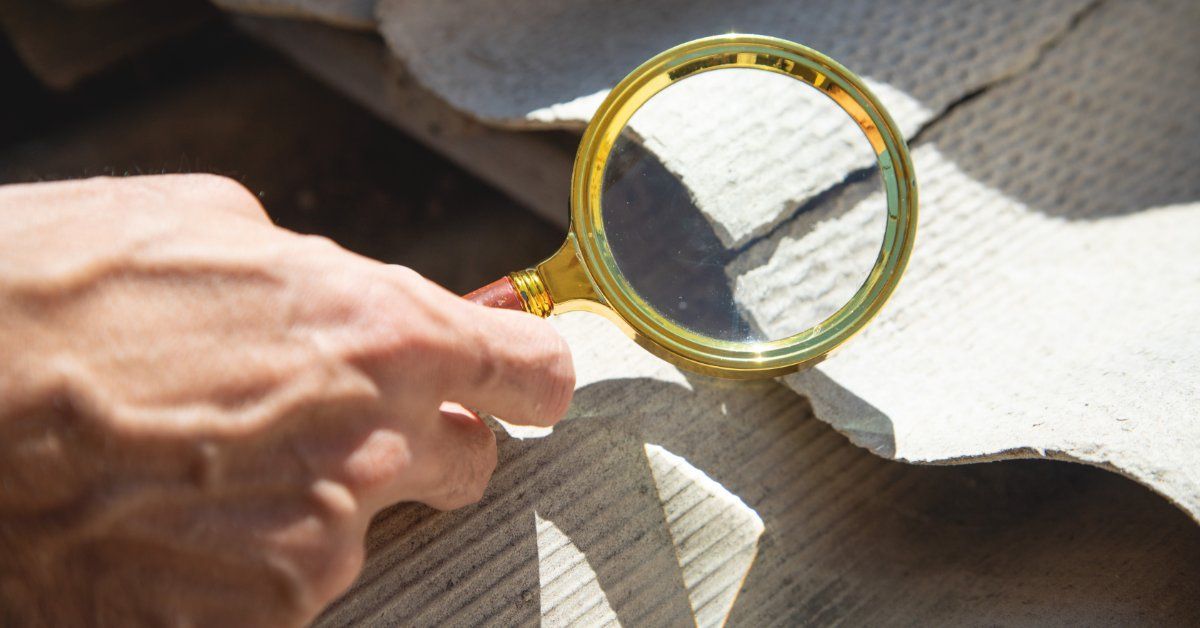
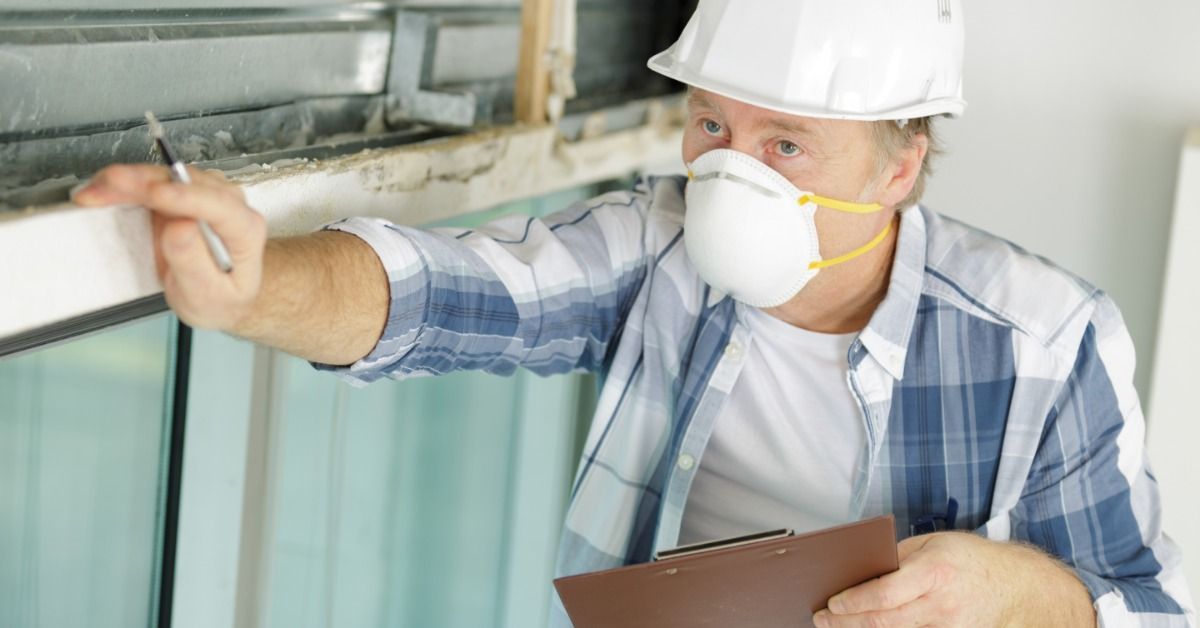
Although its appearance may be easily recognizable, confirming the presence of asbestos requires specialized testing. Because testing must follow regulatory standards, homeowners should avoid DIY approaches and hire certified professionals to ensure accurate assessments.
Regulatory Implications
Federal and state regulations categorize vermiculite containing asbestos as hazardous material. Handling or removing it without adhering to strict regulatory guidelines can result in legal penalties and unsafe conditions.
For instance, licensed asbestos contractors are required to carry out asbestos removal in MA, ensuring that proper containment and disposal procedures are followed. Failing to comply with these regulations can leave your home unsafe and potentially reduce its value.
The Complexity of Removal
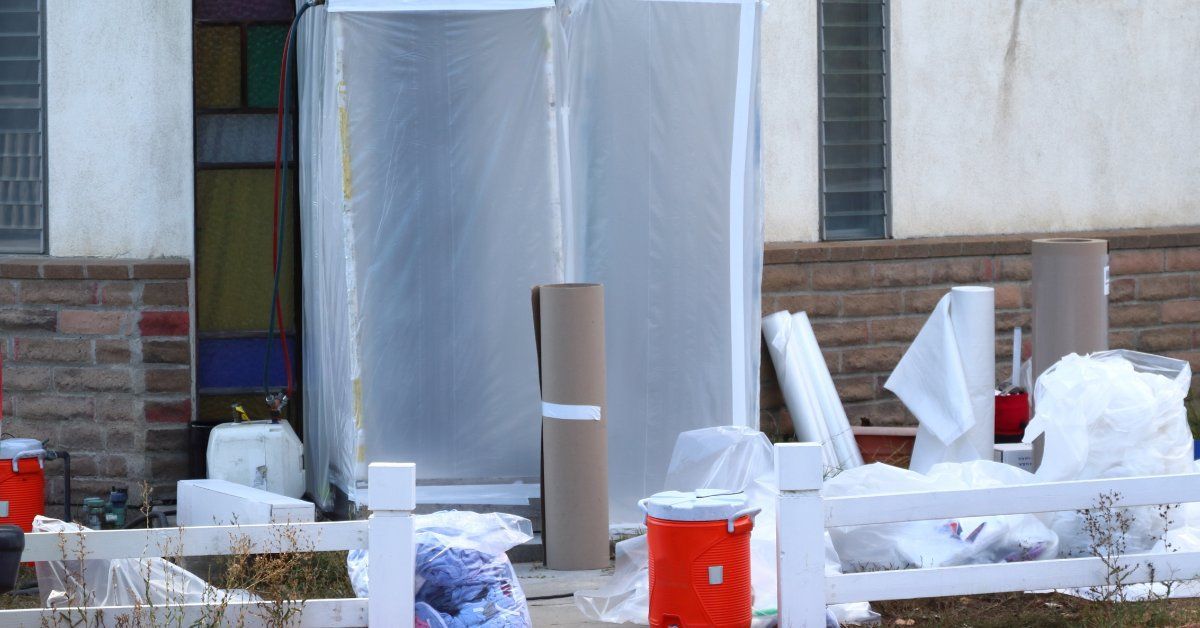
Removing vermiculite insulation is a very complex and delicate process. Because of the hazardous nature of asbestos, licensed contractors must adhere to environmental safety regulations.
These meticulous processes involve sealing affected areas, carefully removing the insulation, and disposing of it in compliance with local laws. This investment protects your family's health and meets legal requirements, ultimately saving more expensive remediation efforts down the line.
Prioritize Safety and Expert Assistance
Homeowners need to be aware of the five issues with vermiculite insulation in attics and approach it with caution, relying on professional expertise. Air Safe, Inc. specializes in safe residential asbestos removal, offering comprehensive surveys, detailed plans, and careful remediation services. Our adherence to regulations and use of advanced HEPA filtration techniques ensure your home remains hazard-free.
Keeping your home safe isn't a DIY matter when dealing with asbestos and vermiculite. If you suspect your attic contains vermiculite insulation, reach out to licensed specialists. Operating with proper care now will prevent costly complications and preserve both health and safety.