What To Expect During the Asbestos Testing Process
Asbestos testing is an important step in maintaining a safe indoor environment, yet many property owners approach this process with uncertainty. Professional asbestos testing adheres to established protocols that ensure accurate results while protecting all parties.
Before you make the call for an inspection, learn what to expect during the asbestos testing process. The following insights provide a brief overview of each phase of this process, enabling you to make informed decisions and prepare adequately for testing procedures.
Pretesting Assessment and Consultation
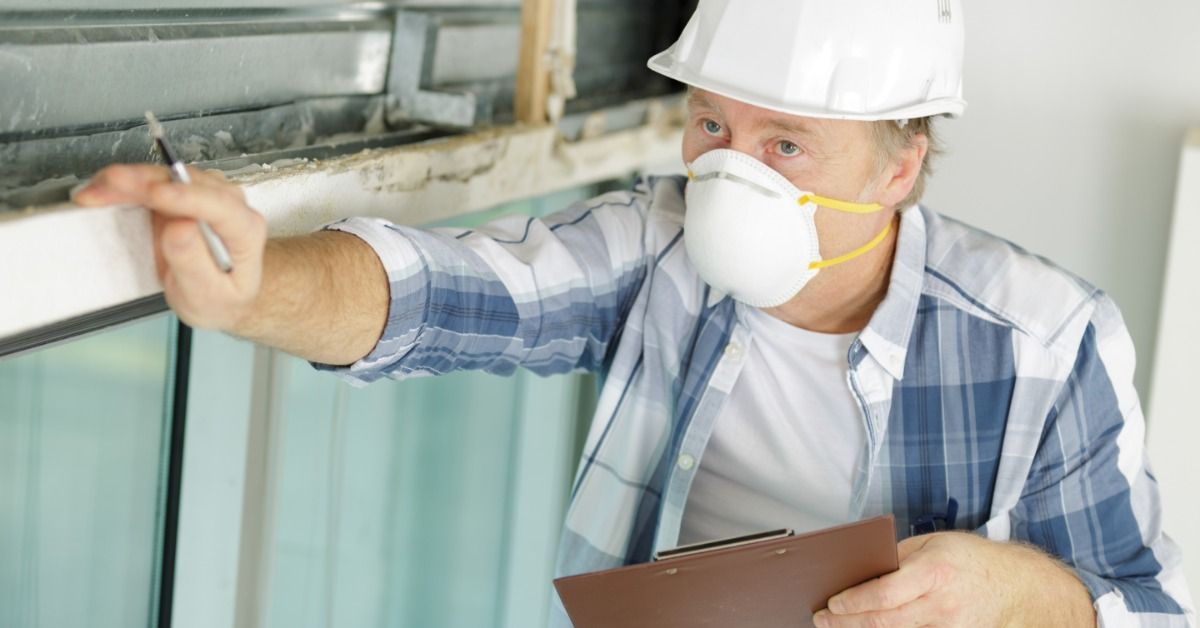
Professional asbestos testing begins with a comprehensive consultation, where certified inspectors evaluate the property’s history and address specific concerns. Inspectors review construction dates, previous renovation records, and any visible materials that raise suspicion.
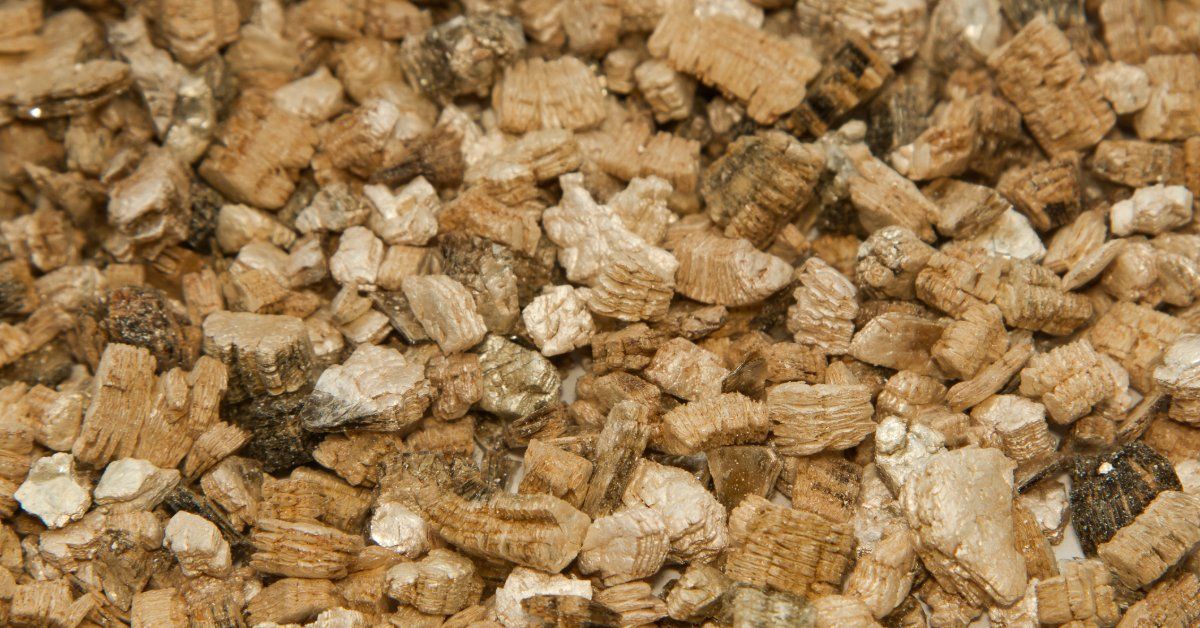
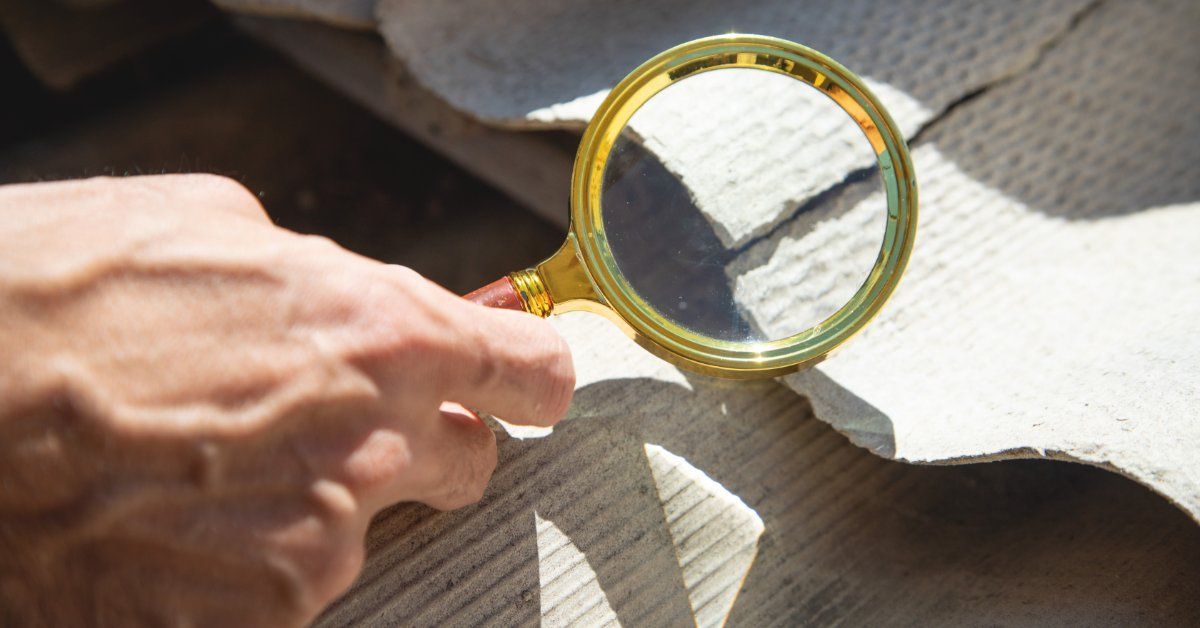
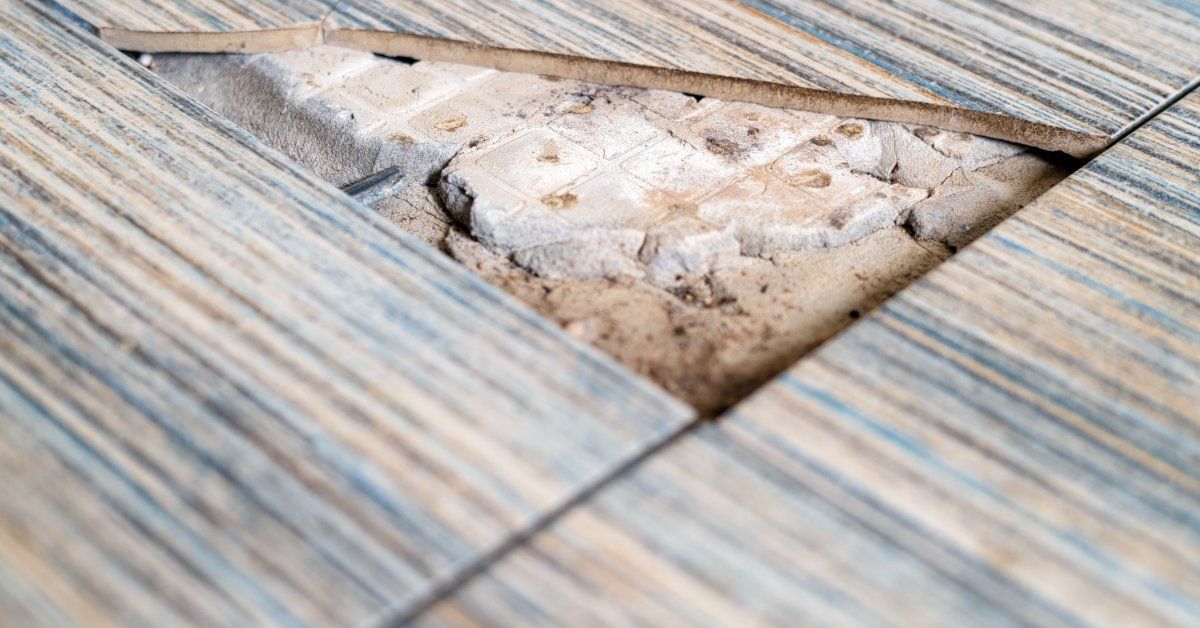
The inspection team then identifies potential asbestos-containing materials throughout your property, including insulation, floor tiles, ceiling materials, pipe wrapping, and siding. They document these materials through detailed notes and photographs, creating a thorough map of areas requiring testing. This preliminary assessment guides the sampling strategy and helps determine the scope of testing needed.
Sample Collection Procedures
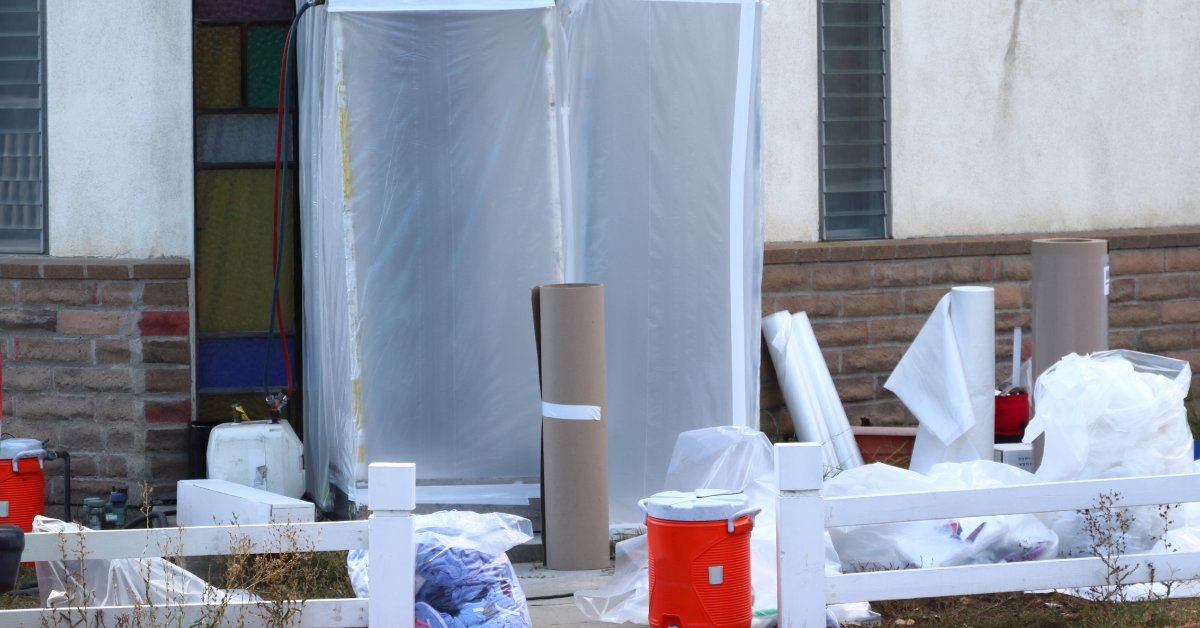
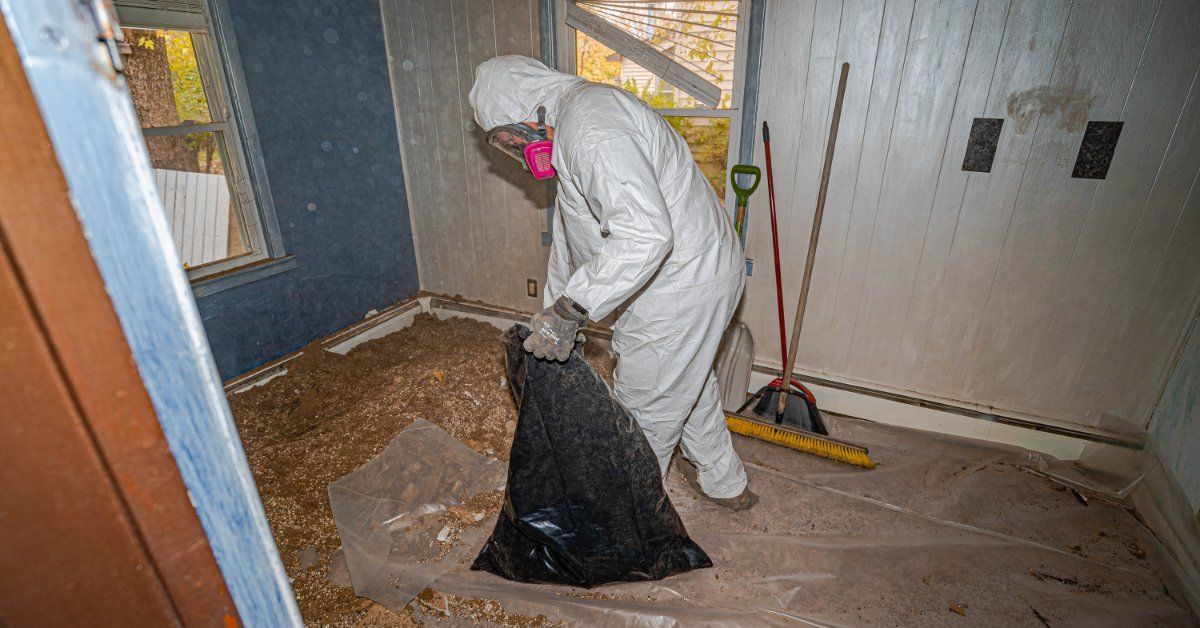
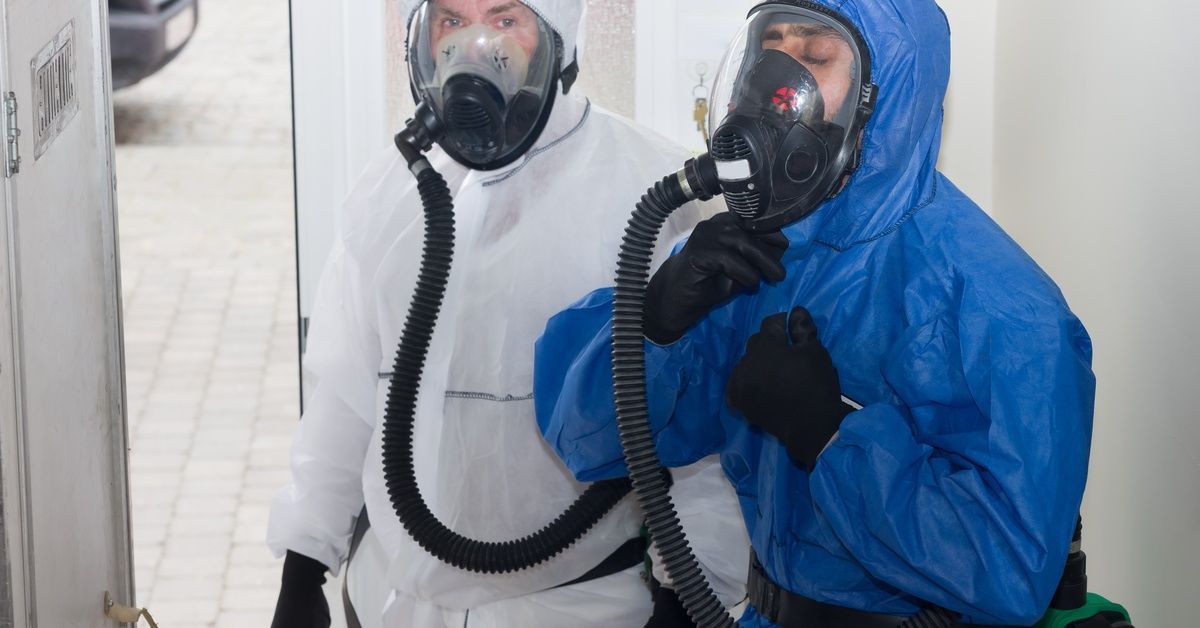
Certified professionals collect samples using specialized equipment and strict safety protocols. Inspectors wear protective gear and employ containment measures to prevent the release of fibers during sampling. They collect small samples from suspected materials using wet methods that minimize dust creation and potential exposure.
Sample collection follows precise techniques designed to obtain representative specimens while preserving the integrity of the material. Inspectors carefully extract samples from different areas of suspected materials to provide comprehensive testing coverage. Proper labeling of samples includes detailed location information and a corresponding material description.
Laboratory Analysis Phase
Accredited laboratories analyze collected samples using polarized light microscopy or transmission electron microscopy. These analytical methods provide definitive identification of asbestos fibers and determine the percentage of asbestos content in each sample. Laboratory technicians adhere to rigorous quality control procedures to make sure the results are accurate and reliable.
The analysis process typically requires three to five business days, though complex samples may require more time. Laboratories examine each sample multiple times to confirm results and identify different types of asbestos fibers present. This thorough analysis guarantees that property owners receive comprehensive information about the presence and concentrations of asbestos.
Results Interpretation and Reporting
Professional inspectors review laboratory results and compile comprehensive reports that explain findings in clear, understandable language. These reports identify which materials contain asbestos, specify concentration levels, and assess the condition of asbestos-containing materials. Inspectors assess whether materials pose an immediate risk or require ongoing monitoring to maintain safety.
The final report includes recommendations for material management, maintenance procedures, and removal requirements based on current conditions and intended property use. Inspectors explain regulatory requirements and help property owners understand their obligations regarding asbestos-containing materials.
After the Test Results
Seeking out professional asbestos testing provides the foundation for informed and actionable decision-making for your property. Air Safe is an asbestos removal company that will walk you through what to expect during the asbestos testing process and any removal procedures.
We provide property owners with relief through a measured and meticulous approach to identifying hidden sources of asbestos and achieving total removal success. Let Air Safe undertake this important safety process with expertise and full confidence in keeping your home asbestos-free.