Common Asbestos Materials in Massachusetts Homes
Asbestos often appears in properties built before the 1980s, as builders once favored it for its fire resistance, durability, and insulating strength. Many older homes across Massachusetts still contain these materials in attics, basements, and living spaces. You can protect your property value and your health by learning how to recognize these products. Here are the most common asbestos materials in Massachusetts homes.
Asbestos Insulation in Attics and Walls
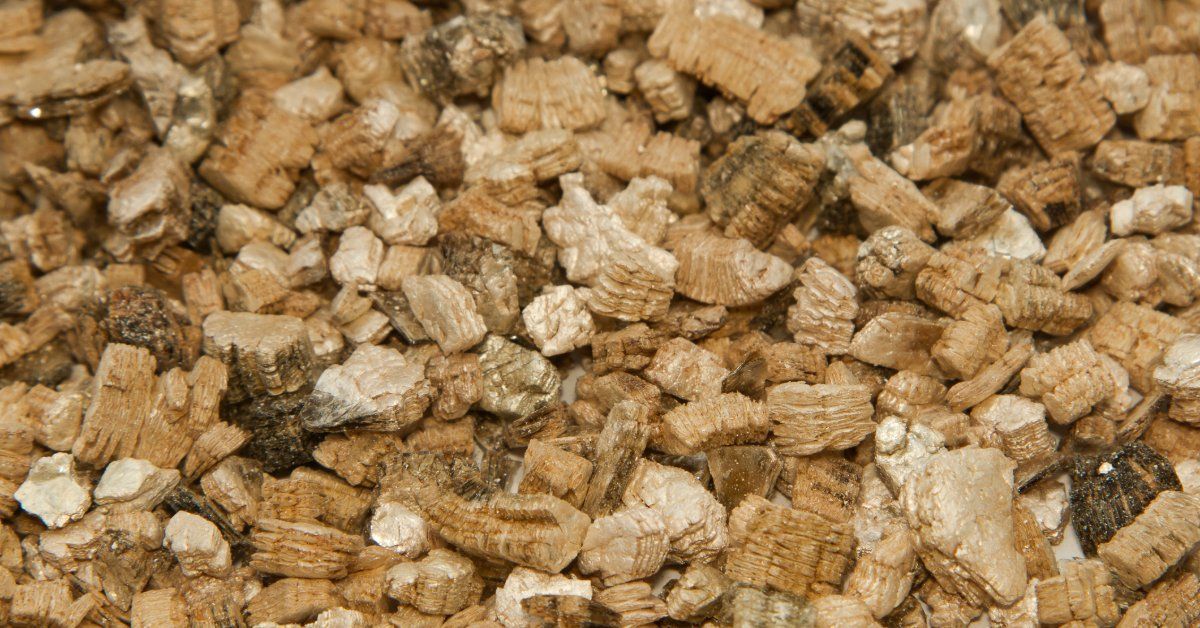
Contractors frequently installed asbestos in attic insulation, especially in vermiculite products sold for thermal efficiency. When heat rises during the summer, attic materials can release fibers if disturbed. Wall cavities may also contain loose-fill insulation that includes asbestos.
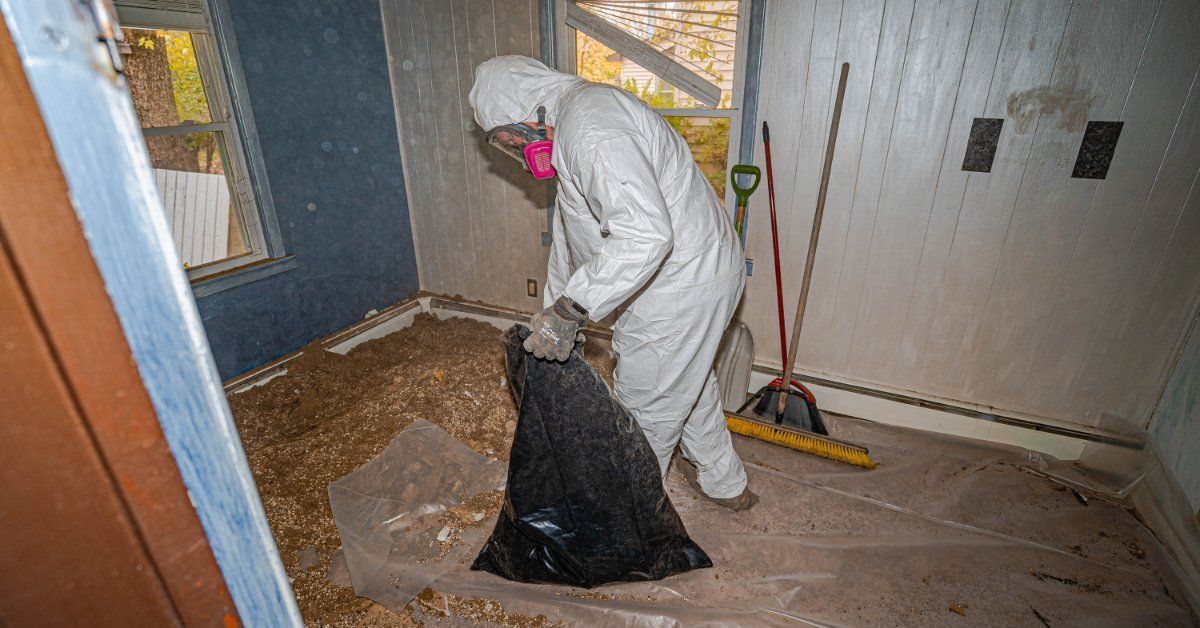
Because insulation is out of sight, many homeowners overlook it during renovations or real estate transactions. Professional testing can confirm whether insulation contains asbestos so you can determine the next steps. Disturbing insulation without proper controls can spread fibers throughout the home, so do not attempt removal on your own.
Popcorn Ceilings and Textured Coatings
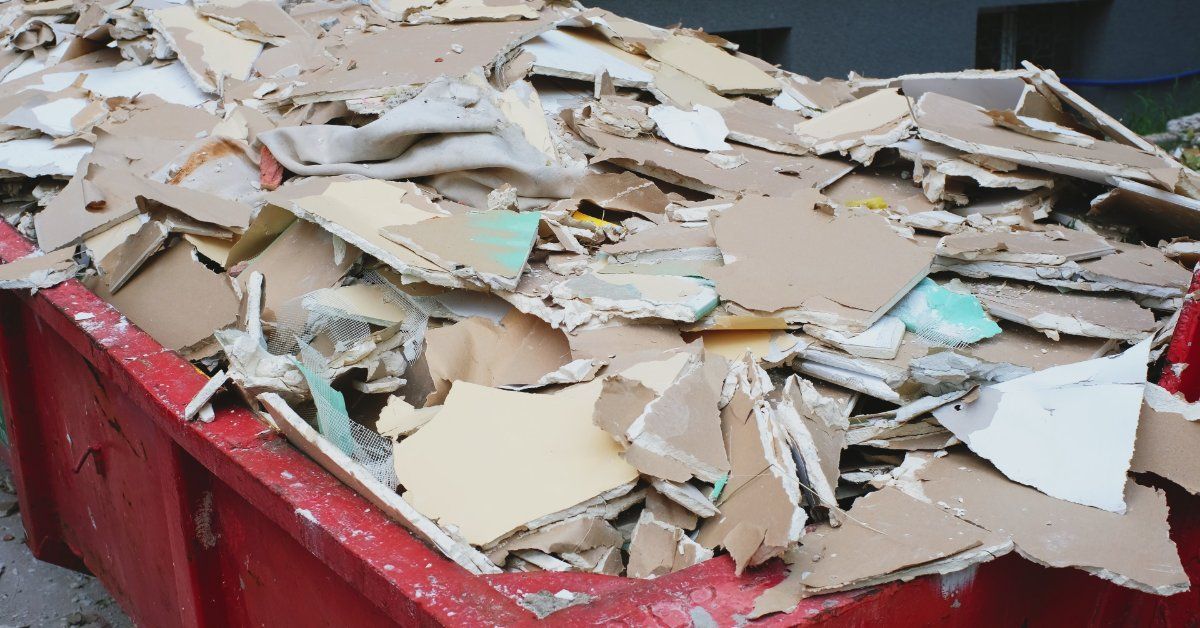
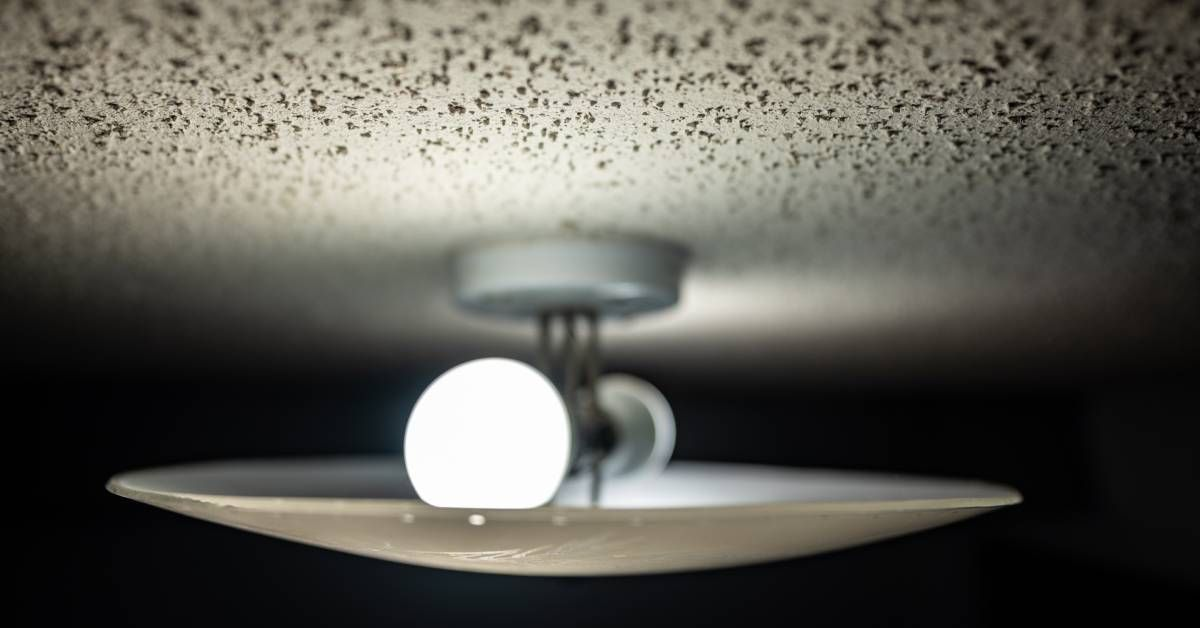
Many Massachusetts homes built between the 1950s and 1980s feature textured ceilings. Manufacturers added asbestos to strengthen the material and improve fire resistance. Over time, cracks, repairs, or remodeling projects can release fibers into the air.
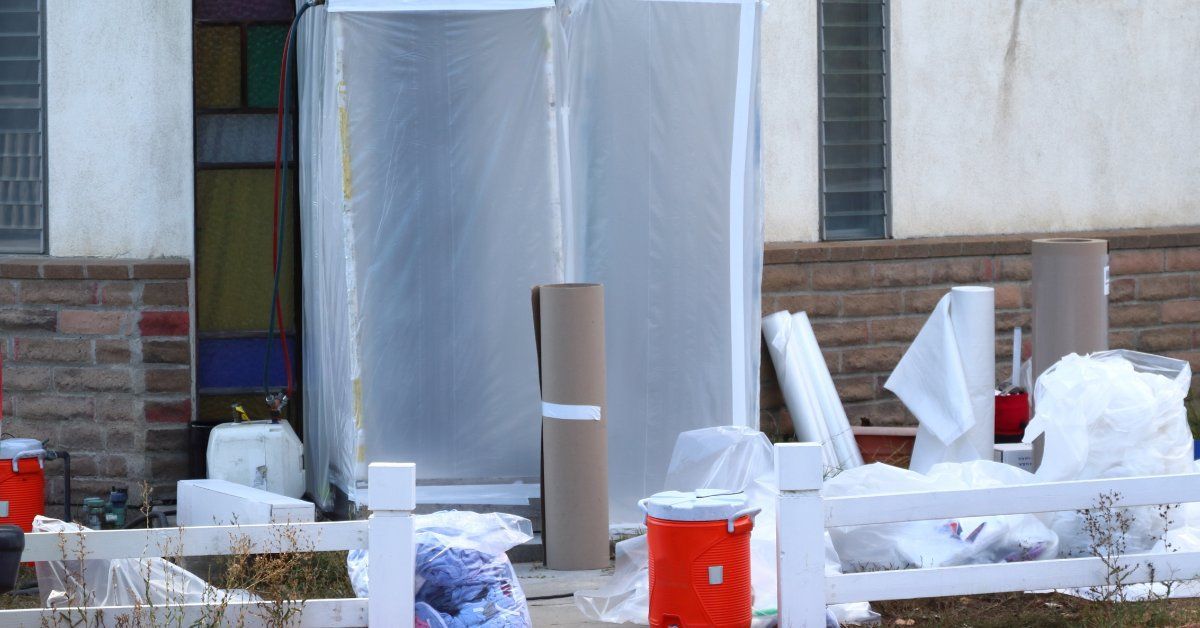
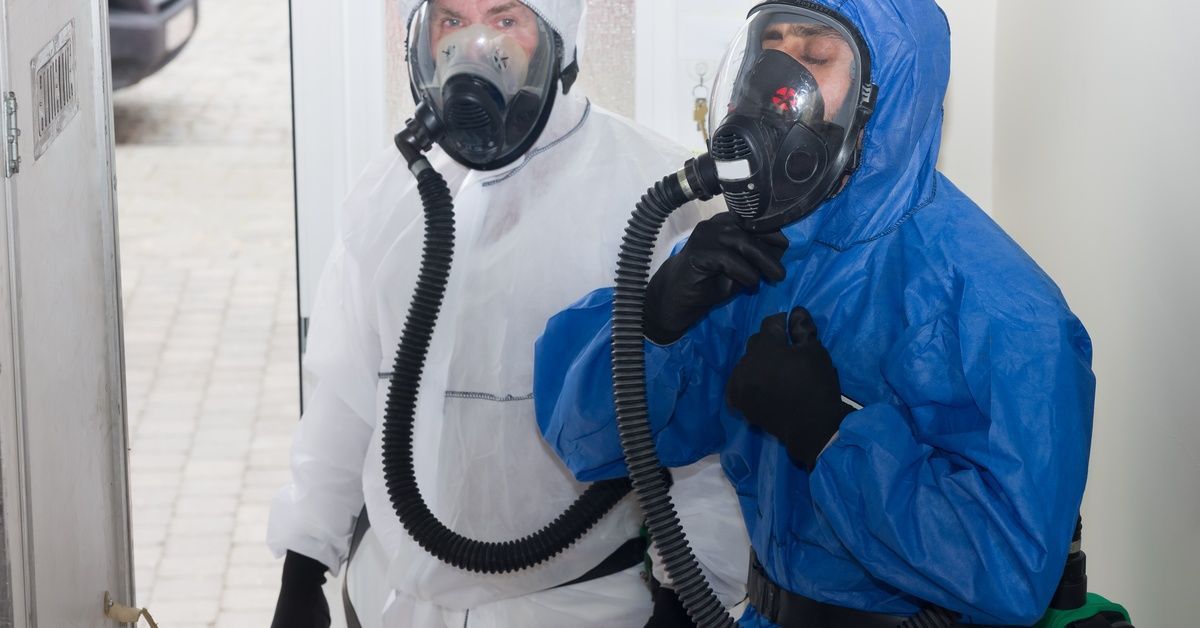
Homeowners often request removal before selling a property or updating interiors. Safe removal requires containment measures and trained crews. Companies that specialize in asbestos abatement in MA follow strict state and federal regulations to protect occupants and workers.
Vinyl Flooring, Tiles, and Adhesives
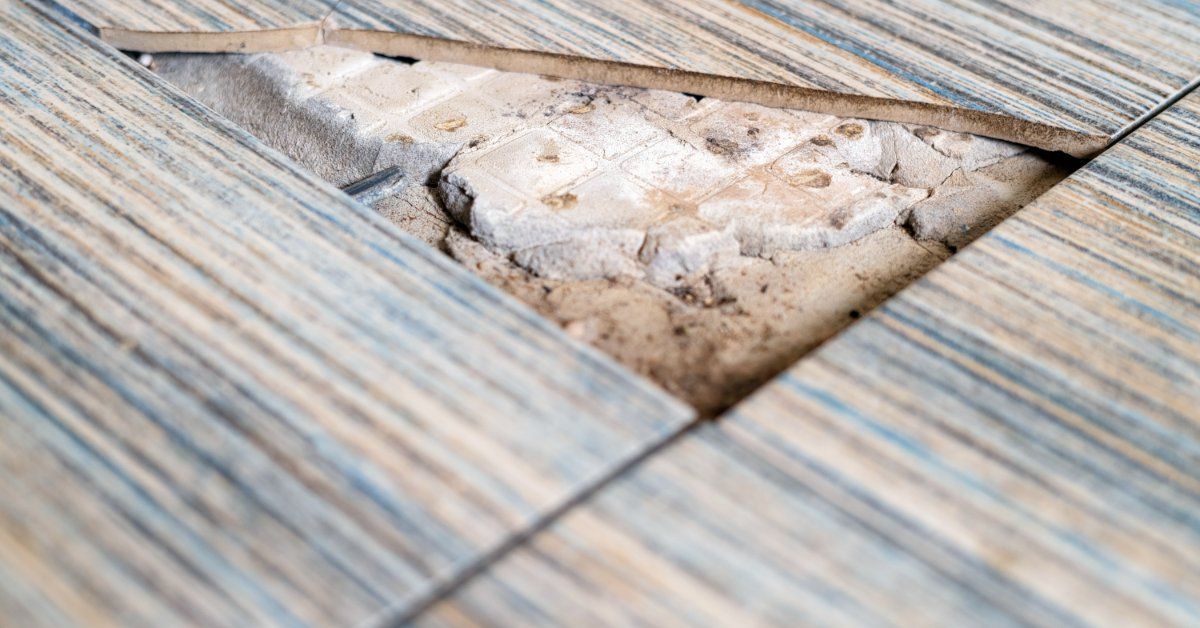
Flooring materials frequently contain asbestos, particularly 9-inch vinyl tiles and the black mastic adhesive beneath them. Kitchens, basements, and rental properties often include these older products. Even if tiles look intact, sanding, scraping, or demolition can release hazardous fibers.
Homeowners should seek professional evaluation instead of attempting removal independently. Proper identification prevents accidental contamination and ensures safe disposal.
Pipe Insulation and Boiler Wrap
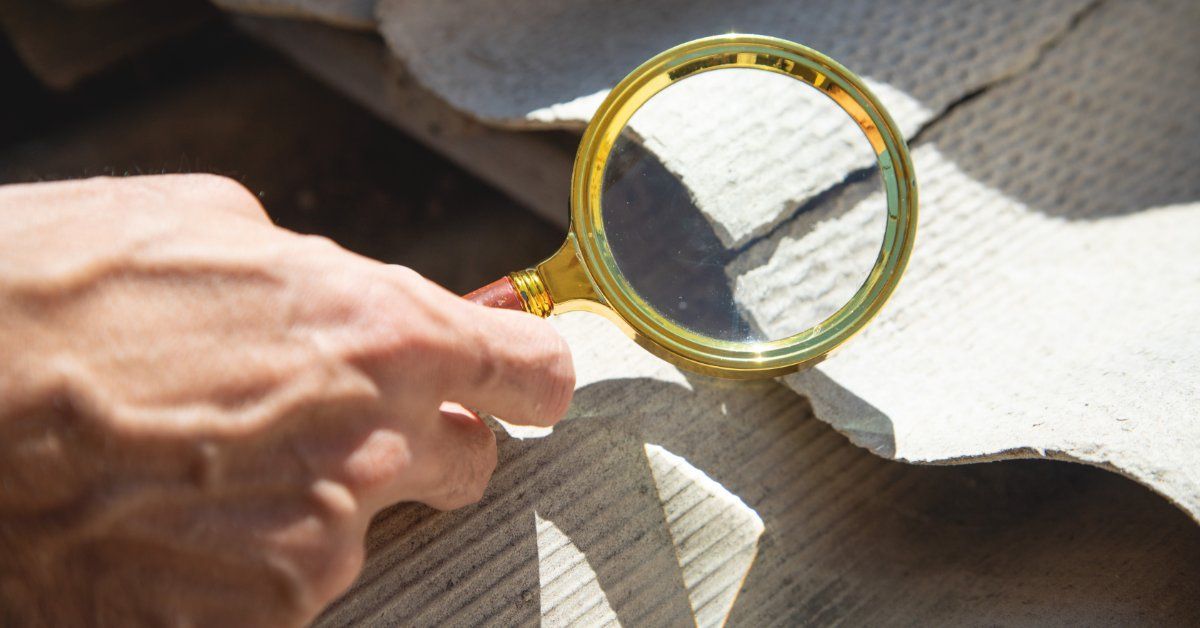
Basements in older Massachusetts homes often contain asbestos-wrapped pipes or boiler insulation. Contractors used asbestos to retain heat and prevent fires around mechanical systems. The material may appear as a white or gray fibrous wrap or as a hard plaster-like coating.
Deterioration increases risk because aging insulation can crumble when touched. Contractors may uncover previously hidden asbestos materials during heating system upgrades or plumbing repairs.
Why Identification Matters
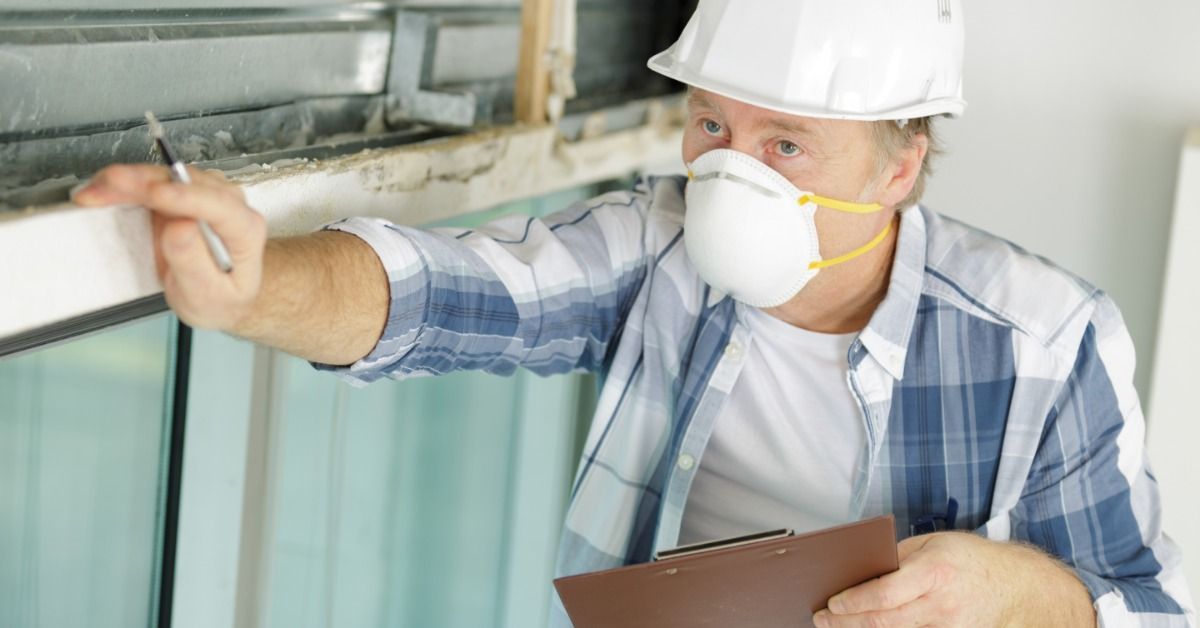
Real estate deals frequently hinge on inspection findings, especially when lenders or energy efficiency programs require remediation. If you recognize any of these common asbestos materials in your Massachusetts home, schedule a professional assessment with Air Safe Inc. Our team serves Eastern Massachusetts and provides safe, compliant removal solutions. Contact us today to request a quote.