Proper Disposal Procedure for Vermiculite Waste
Vermiculite often appears in older homes as loose-fill attic insulation, and it raises serious disposal concerns. Some vermiculite contains asbestos, which creates health risks if fibers become airborne. Professionals must follow proper disposal procedures for vermiculite waste to protect occupants, workers, and the surrounding environment. Safe handling also helps avoid regulatory violations and costly cleanup issues later.
Why Vermiculite Waste Requires Special Handling
Vermiculite breaks apart easily when disturbed. That characteristic allows microscopic fibers to spread through the air and settle on surfaces. Inhaling those fibers increases the risk of long-term respiratory illness. Regulations exist to limit exposure, and they require careful containment, transport, and disposal. Treating vermiculite like regular construction debris creates unnecessary danger and legal exposure.
Initial Steps Before Disposal Begins
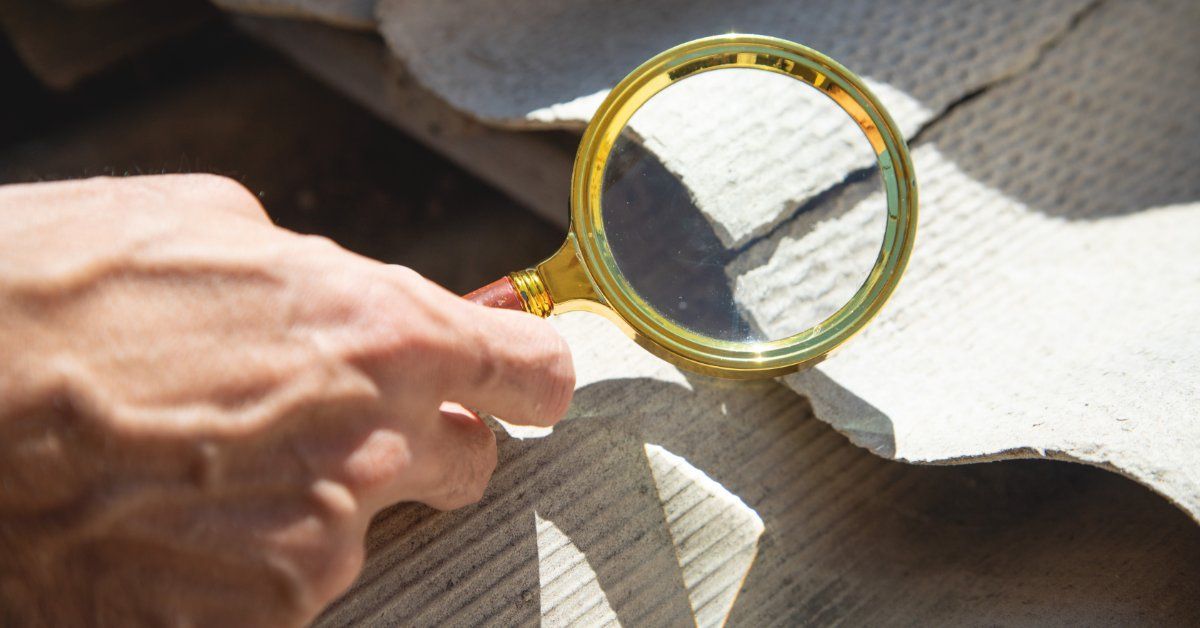
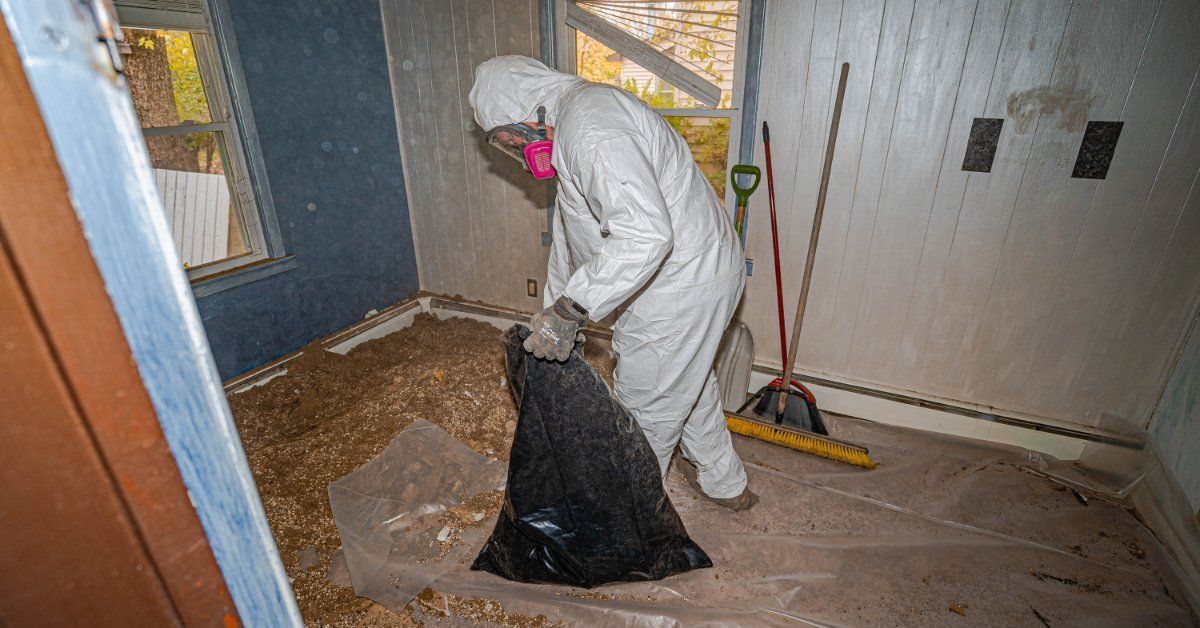
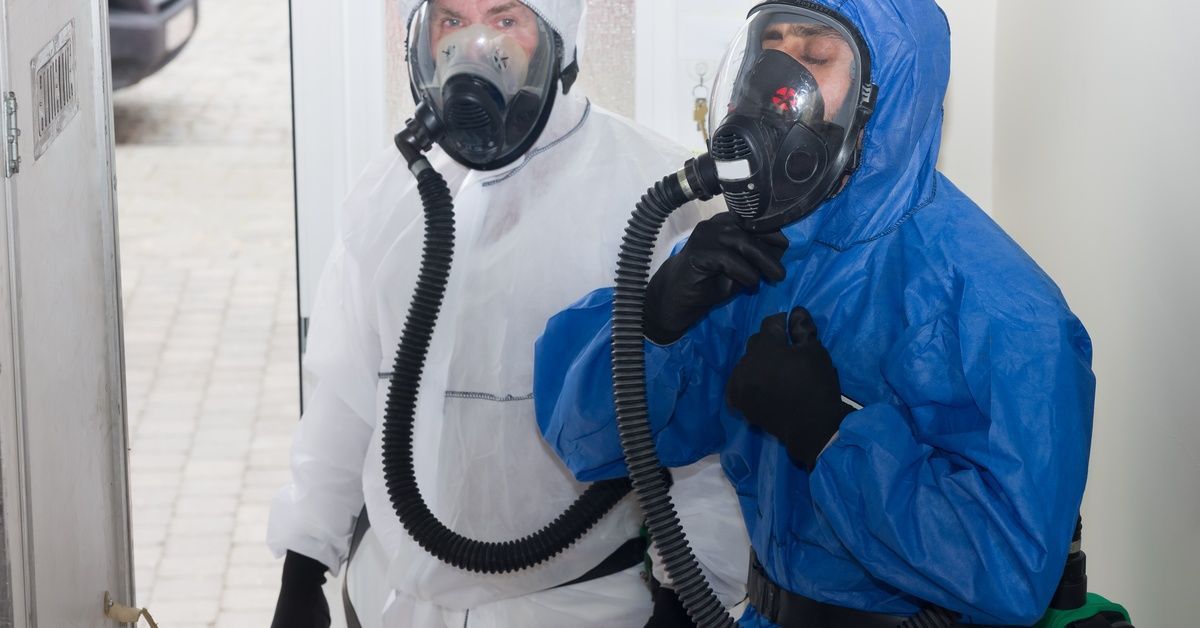
A professional inspection should confirm the presence of vermiculite and assess potential asbestos contamination. Testing guides every decision that follows, including containment methods and disposal location. Crews must seal the work area to prevent fiber migration. These technicians use protective equipment and controlled techniques to minimize dust release during vermiculite insulation removal.
Containment and Packaging Requirements
Workers must place the material directly into approved, leak-tight bags or containers with clear labeling that alerts handlers and disposal facilities to the contents. Double-bagging adds another layer of protection during transport. Secure packaging prevents accidental spills and reduces exposure risks for anyone who comes into contact with the waste.
Transporting Vermiculite Waste Safely
Licensed haulers should transport vermiculite waste to approved disposal facilities. Vehicles must secure loads to prevent shifting or tearing during transit. Transport regulations vary by state, but they always emphasize containment and documentation. Following these rules ensures accountability from removal through final disposal.
Approved Disposal Locations and Regulations
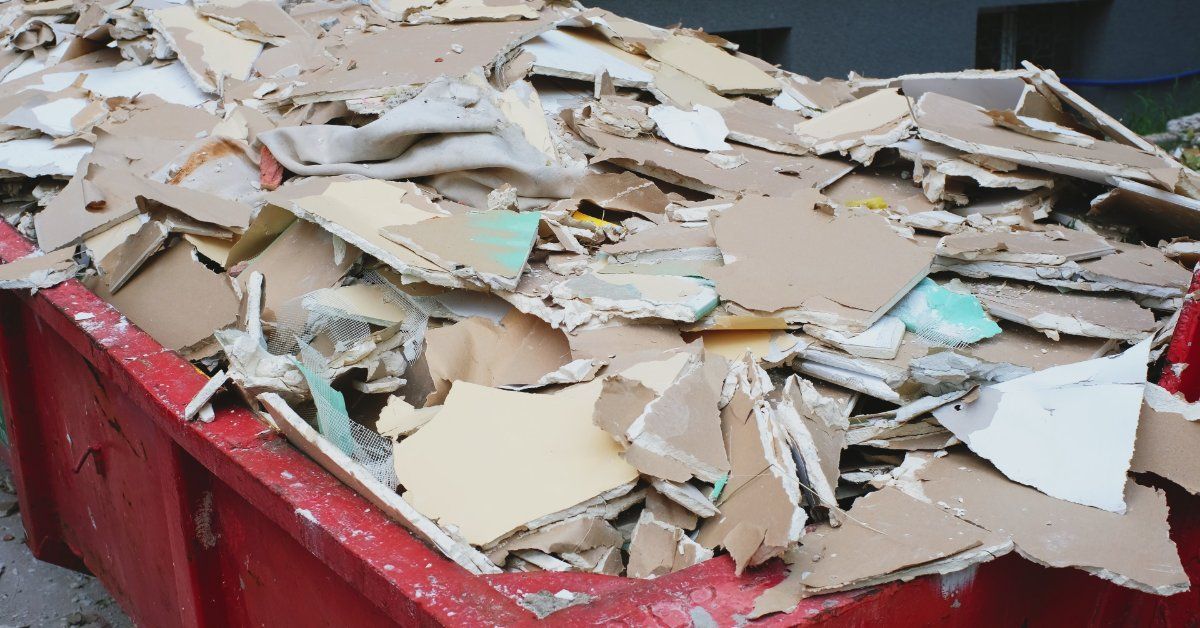
Only designated landfills accept vermiculite waste that may contain asbestos. These facilities follow strict procedures to isolate hazardous materials. Disposal staff log shipments to maintain regulatory compliance. Skipping approved locations puts public health at risk and can result in penalties.
Long-Term Safety and Compliance Considerations
Proper disposal protects more than the immediate jobsite. It prevents future contamination, safeguards property value, and supports community health standards. Following safe vermiculite waste disposal procedures also demonstrates responsible stewardship and regulatory awareness.
Homeowners who suspect vermiculite in their property should avoid disturbing it and seek professional help. Contact Air Safe Inc. today to schedule an inspection or request a quote for compliant vermiculite disposal services.