A Look at the Process of Asbestos Removal
Homeowners often wonder what happens during asbestos removal, and the answer revolves around safety. Professionals follow strict procedures to control hazardous fibers and ensure proper containment, handling, and regulatory compliance. They take a structured approach to minimize exposure risks and deliver safer outcomes. Here is a look at the process of asbestos removal.
Initial Inspection and Testing
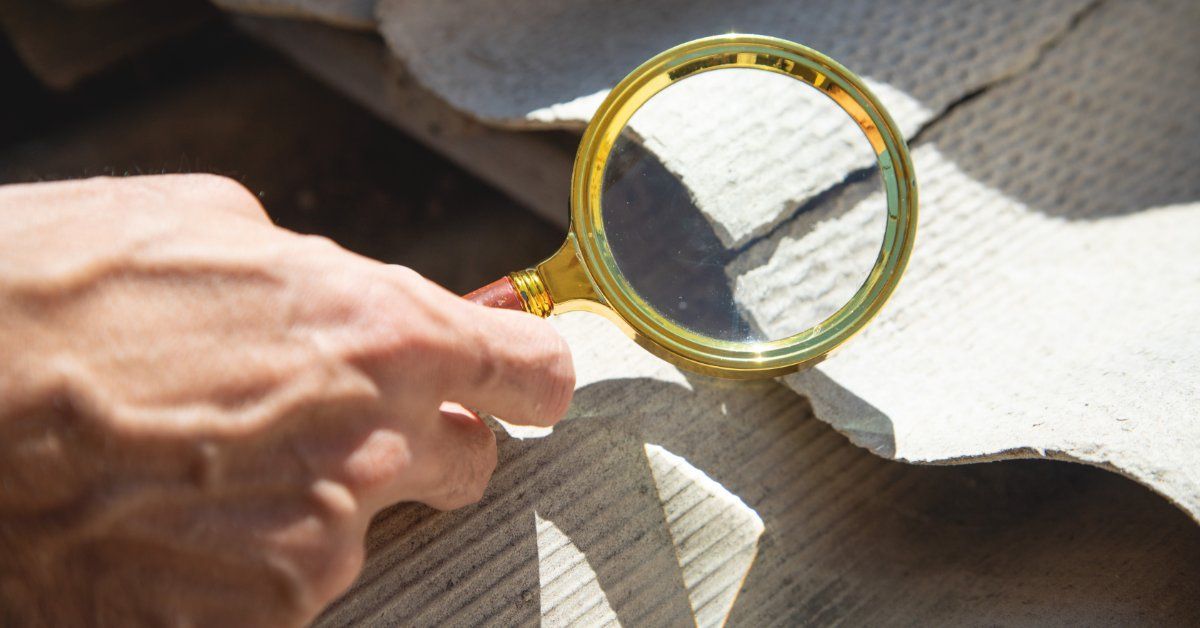
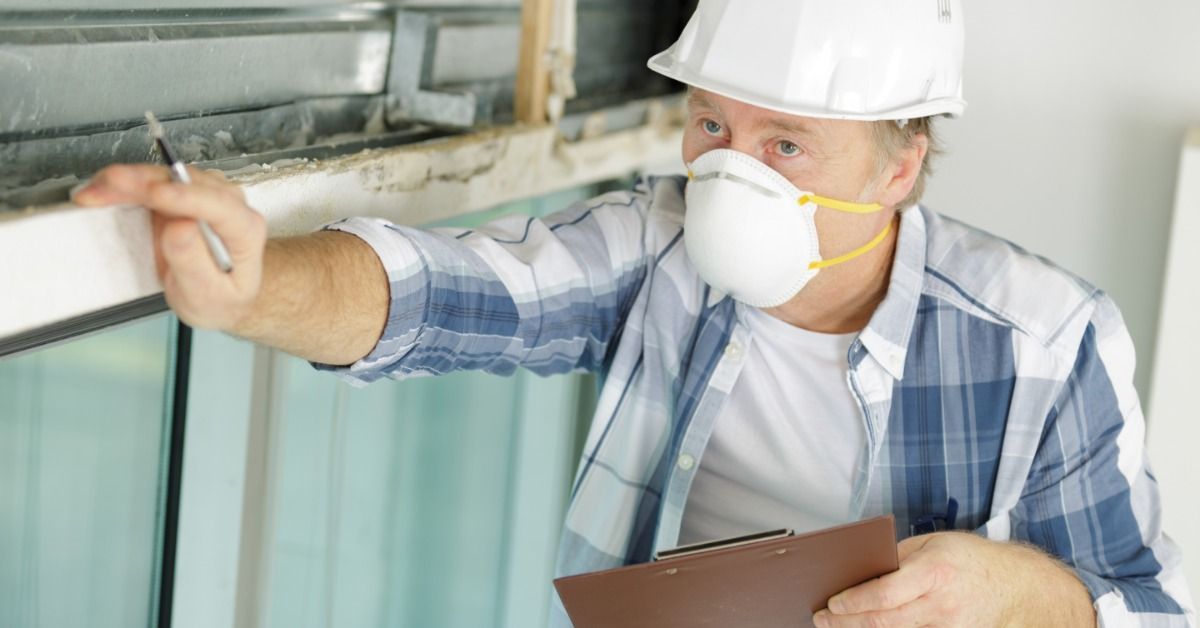
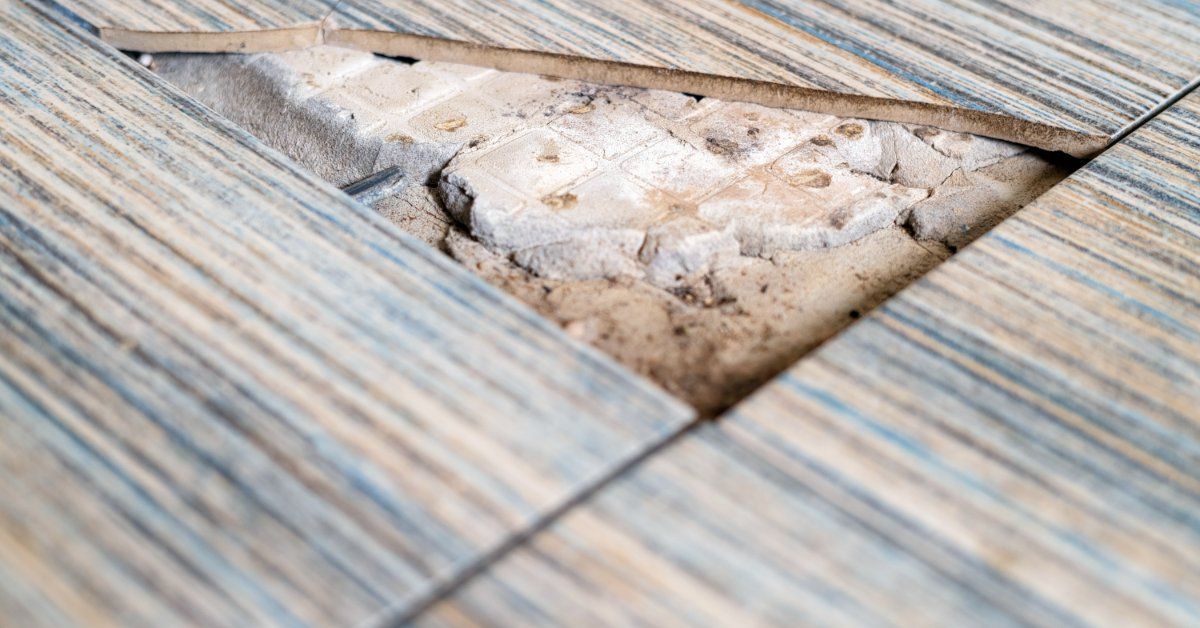
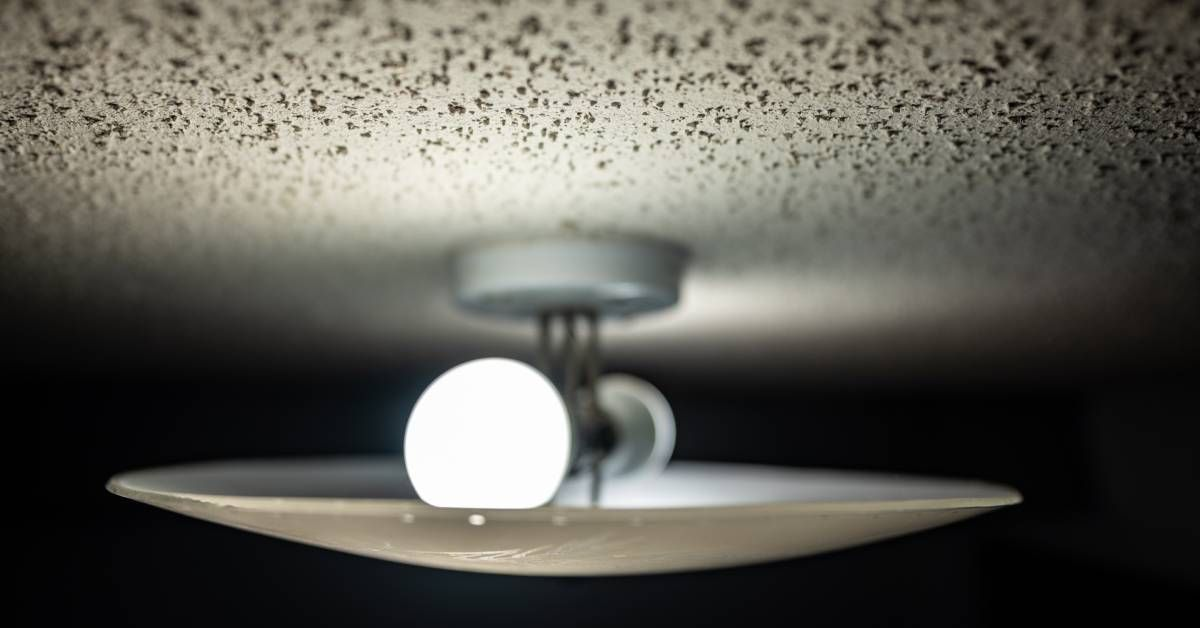
Licensed inspectors start by identifying materials that may contain asbestos. They collect samples from insulation, flooring, siding, and pipe coverings, then send them to a certified lab for analysis. Accurate testing prevents unnecessary removal and focuses efforts where they matter most. These results also define the project’s scope, helping homeowners plan realistic timelines and budgets.
Site Preparation and Containment
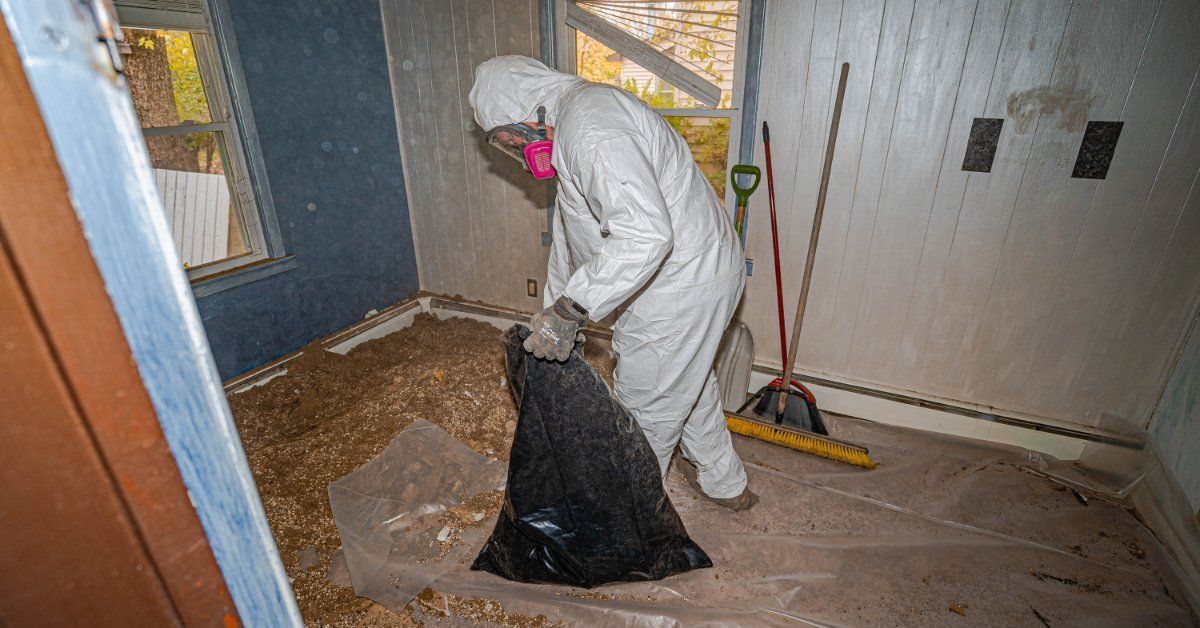
Once asbestos is confirmed, crews isolate the work area to prevent contamination. They seal the space with plastic sheeting and install negative air pressure systems that trap fibers inside. This controlled environment protects residents and workers.
Preparation involves four critical steps:
- Sealing vents, doors, windows, and openings
- Installing negative air machines with HEPA filters
- Posting warning signs around the work zone
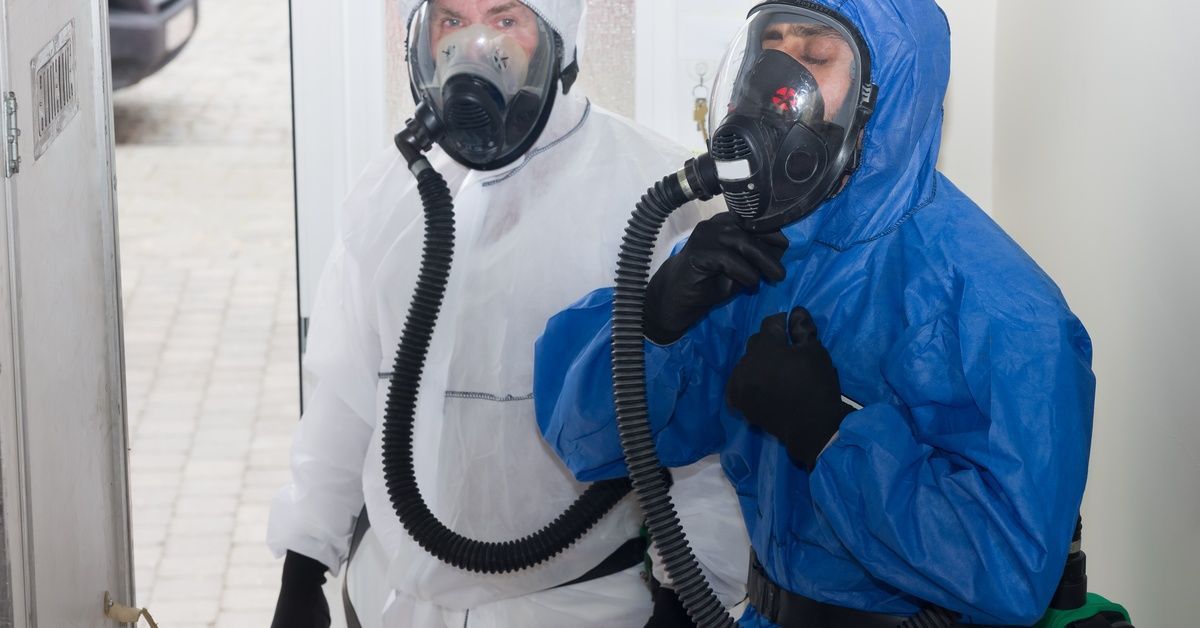
- Setting up decontamination units for workers
These measures create a barrier that keeps asbestos from spreading throughout the home.
Safe Removal and Disposal
Technicians use specialized tools to carefully remove asbestos-containing materials. They keep everything damp to suppress airborne fibers and handle each piece with precision. All debris goes into sealed, labeled containers designed for hazardous waste.
Disposal regulations are strict. Materials must be transported to approved facilities, which prevents illegal dumping and protects public health. Compliance at this stage is necessary.
Cleaning and Final Clearance
After removal, teams deep clean the work area using HEPA vacuums and wet wiping techniques to capture any remaining particles. Independent air quality testing follows to verify that fiber levels meet safety standards. This final clearance confirms the space is safe for reoccupancy and gives homeowners confidence that the risk has been eliminated.
Why Professional Expertise Matters
Asbestos removal demands technical knowledge, specialized equipment, and strict adherence to safety regulations. Each step requires training that homeowners simply don’t have. If you suspect asbestos in your home, contact a licensed asbestos removal company like Air Safe to evaluate your situation. Our professional team will guide you through the process of asbestos removal and ensure full regulatory compliance.