The Challenges of Removing Asbestos From Historic Buildings
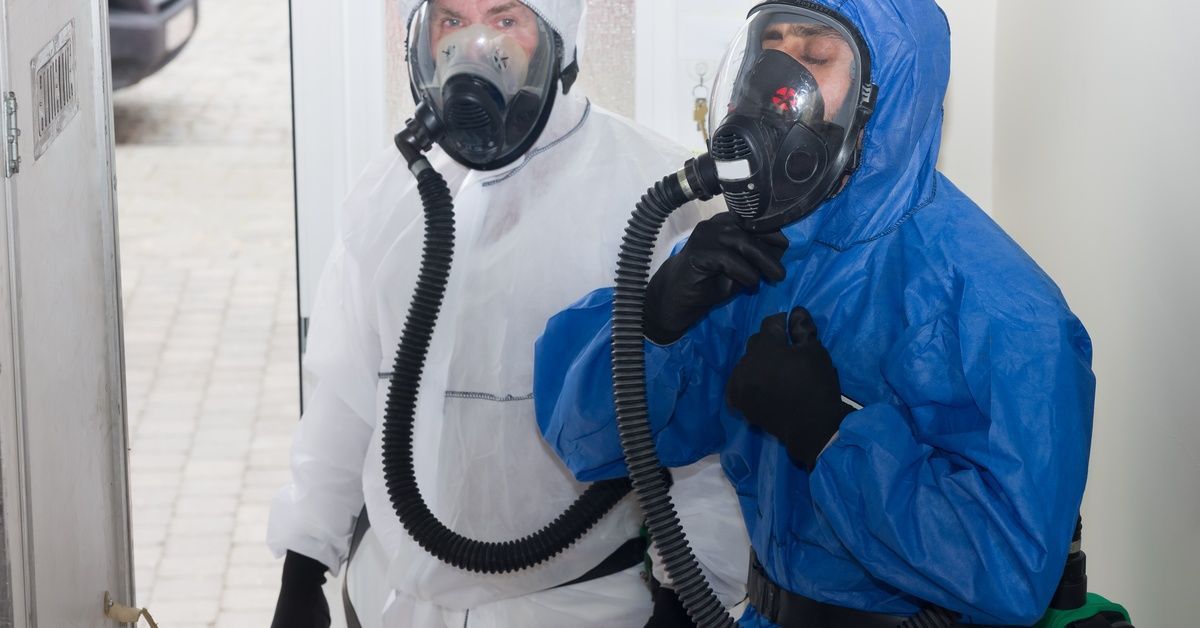
Old homes have character and charm, yet they also hide serious hazards behind walls and ceilings. Many older properties still contain asbestos, which creates real concerns during renovation or restoration. As a result, removing asbestos from historic buildings quickly becomes complex. Homeowners need to balance preservation with safety through careful planning and expert execution. Here’s what you need to know.
Aging Materials and Hidden Risks
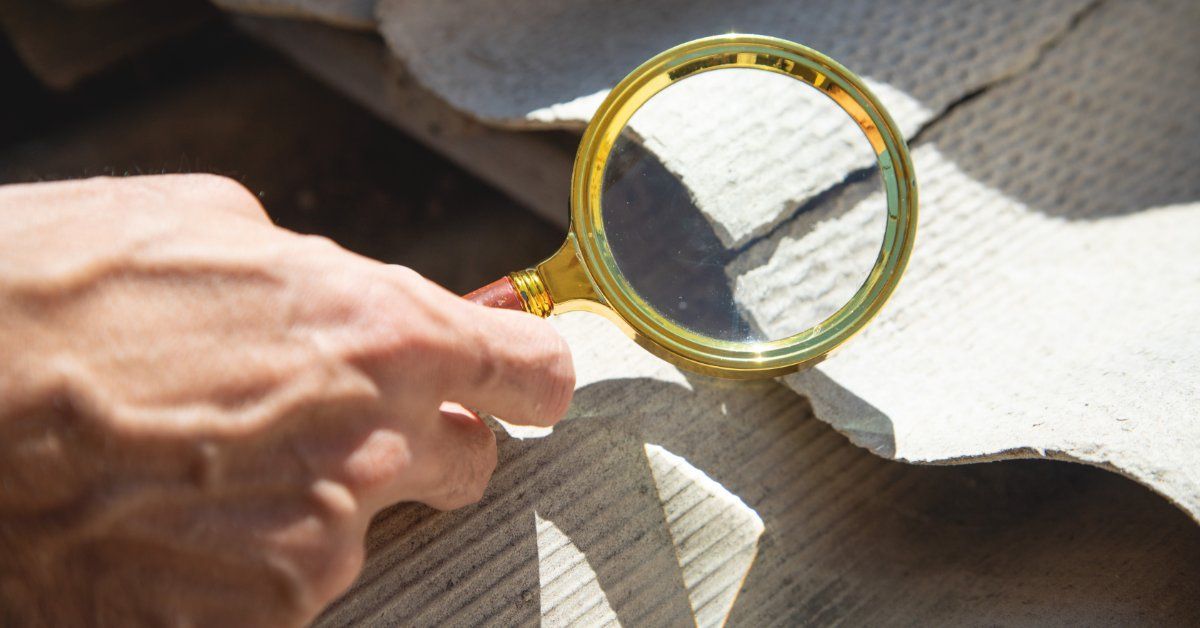
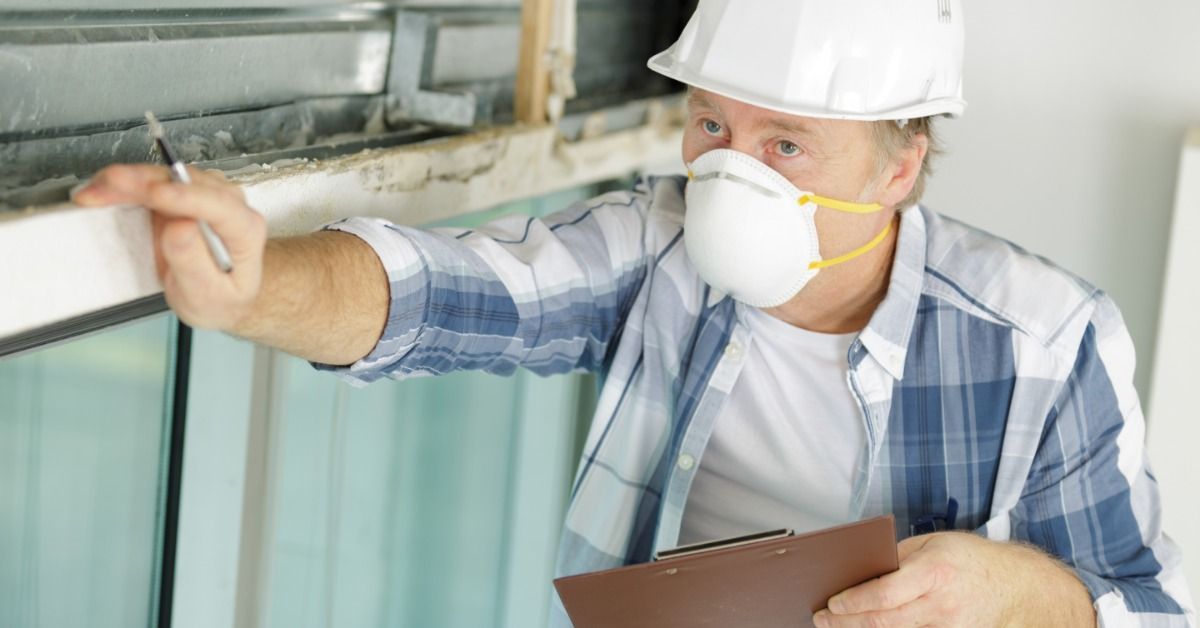
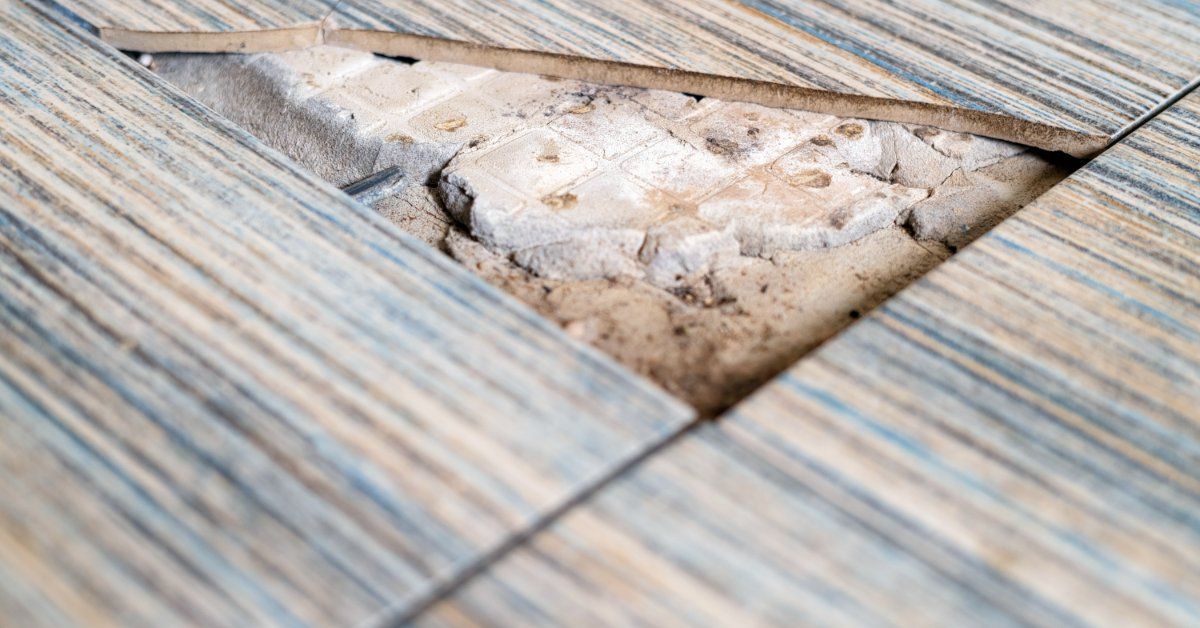
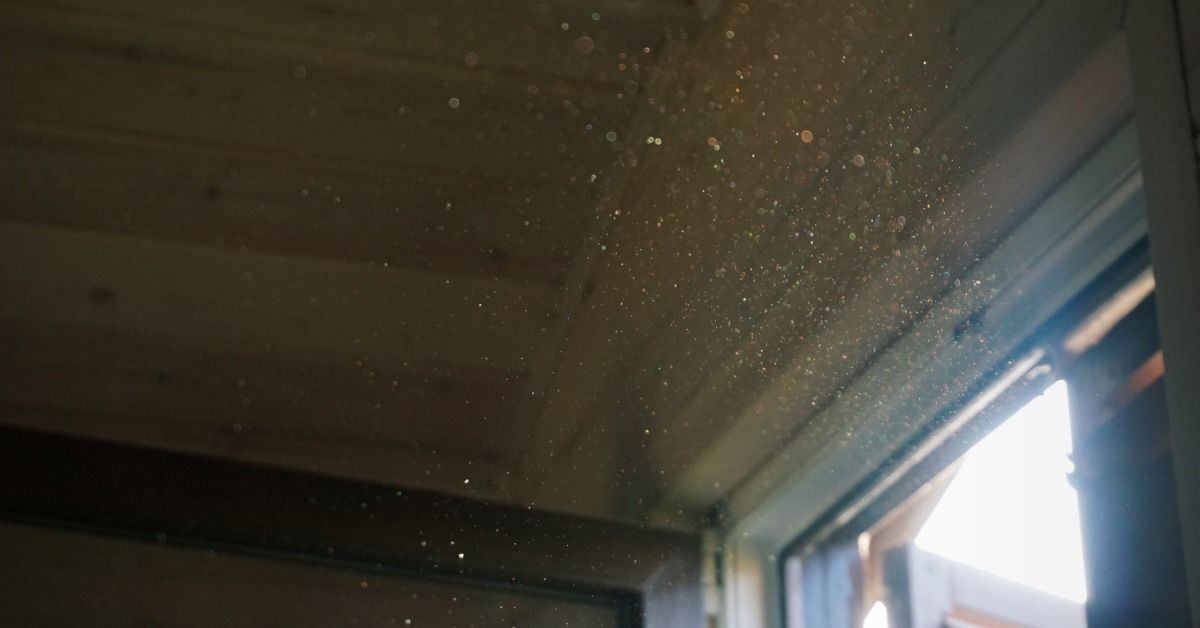
Older buildings used materials that builders trusted decades ago, meaning asbestos appeared in insulation, flooring, and pipe coverings. Over time, those materials break down and release fibers, which raises health concerns for anyone nearby. Older construction methods also conceal asbestos in unexpected areas, making detection harder during inspections.
Preservation rules are another factor. Contractors must protect original features like plaster walls or decorative woodwork while addressing hazardous materials. Careful removal becomes essential, since aggressive methods could damage irreplaceable details.
Strict Regulations and Compliance
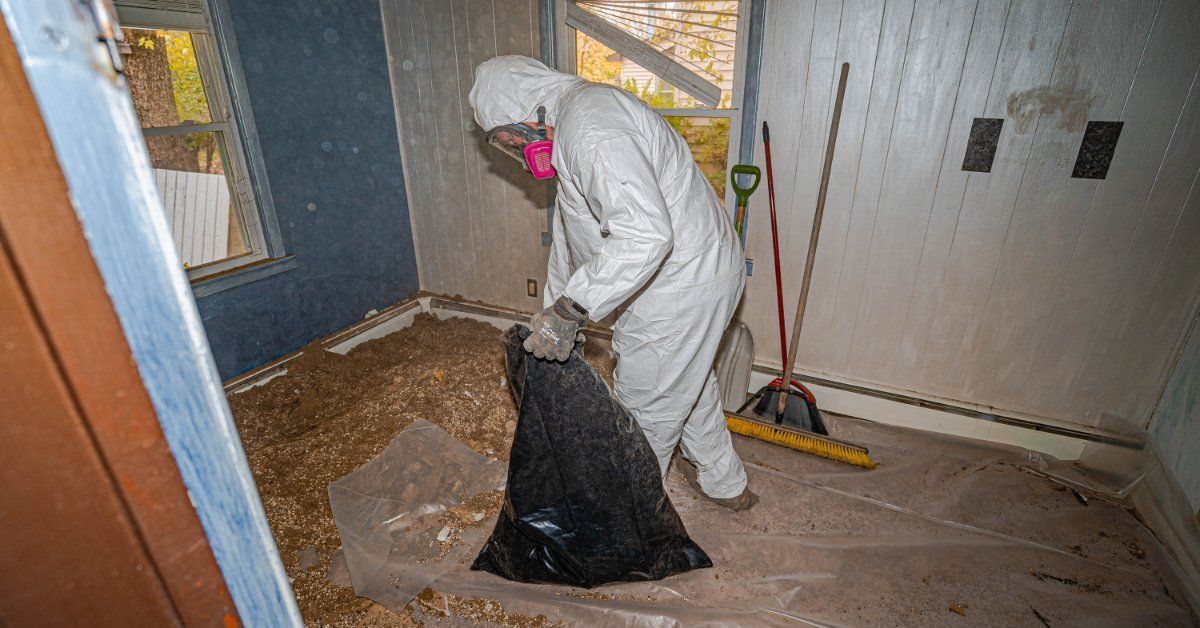
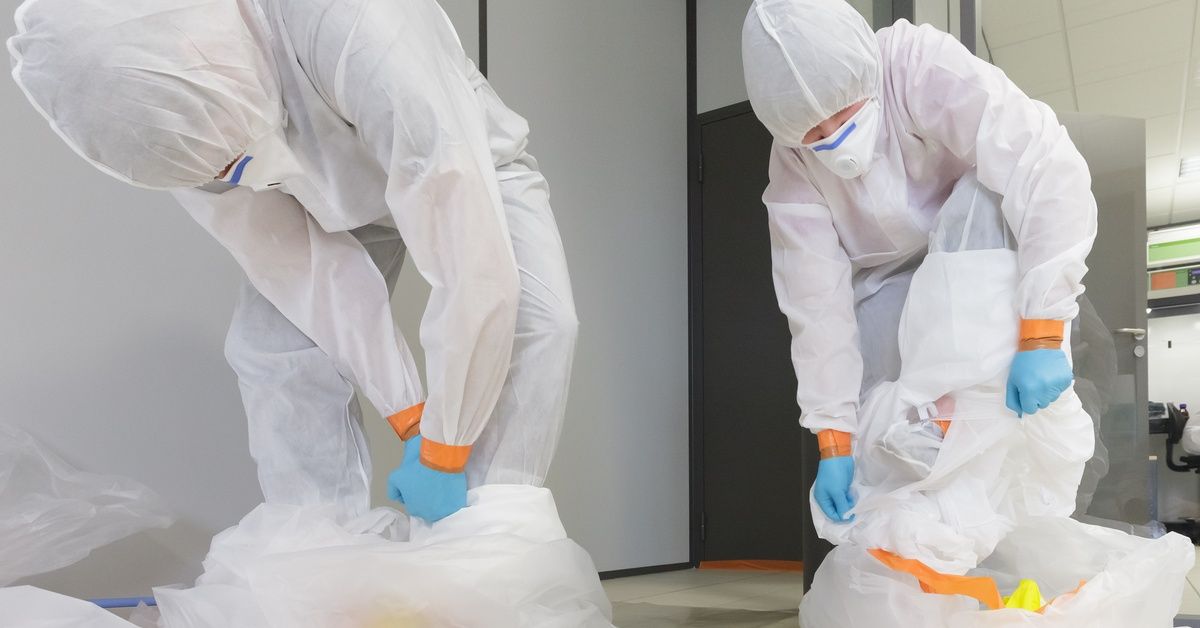
Federal and state regulations govern asbestos handling. Agencies require detailed documentation, proper containment, and safe disposal practices at every stage. These rules protect public health, but they extend timelines and increase costs for homeowners.
Additionally, specialized permits may apply when a building holds historic designation. Contractors must coordinate with preservation boards before starting any work. This process demands patience and a clear understanding of legal requirements.
Preservation Versus Safety Concerns
Restoration projects aim to keep original craftsmanship intact, yet asbestos removal requires disturbing affected materials. This creates tension between maintaining authenticity and protecting occupants. Professionals must weigh each decision carefully to avoid unnecessary damage.
That’s why asbestos removal in historic buildings benefits from a customized approach. Teams identify high-risk areas and choose methods that limit disruption. Thoughtful planning helps preserve the building’s integrity and the health of those inside.
Common Removal Challenges
Older properties present unique obstacles that don’t appear in modern construction. Contractors must adapt their techniques to fit the building rather than forcing standard methods.
Here are some common challenges professionals face:
- Limited access points restrict equipment and safe movement
- Fragile surfaces break easily during containment setup
- Hidden asbestos appears behind multiple renovation layers
- Ventilation systems spread fibers if not sealed correctly
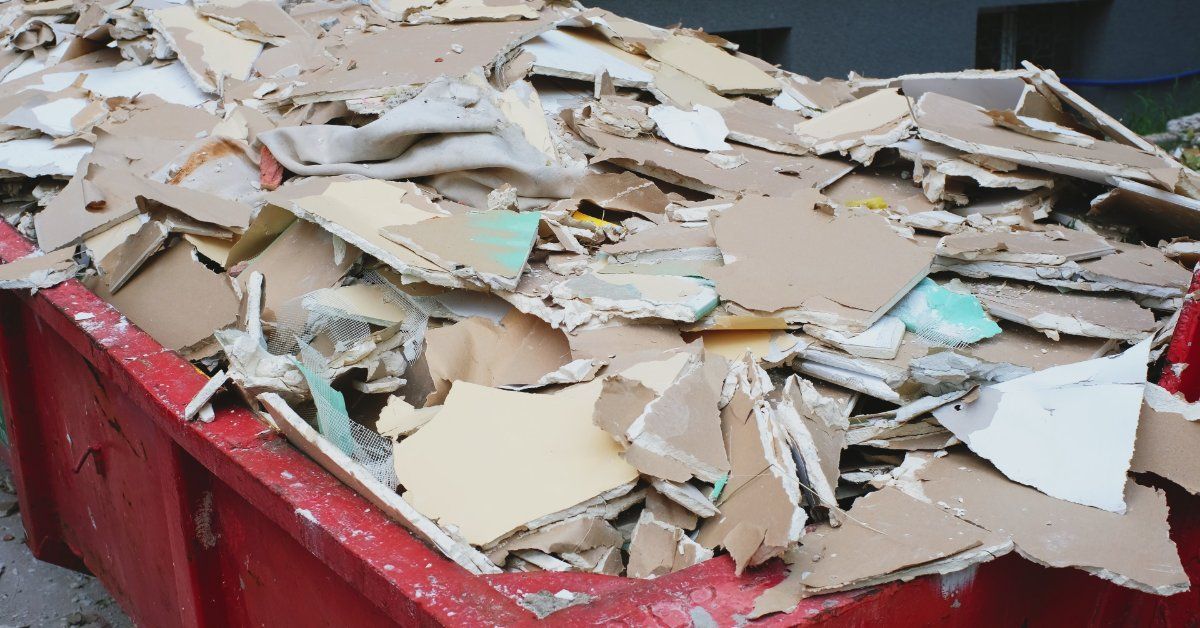
- Disposal logistics become harder in dense urban areas
Local Expertise in Boston Projects
Working in older cities adds another layer of complexity. Boston features dense neighborhoods filled with homes that require careful handling. Asbestos removal in Boston involves strict local oversight, experienced crews, and detailed planning to meet both safety and preservation standards.
Removing asbestos from historic buildings demands the right expertise. Each structure presents its own set of challenges, but careful planning helps protect the home and its occupants. Air Safe Inc. brings decades of experience working with residential properties across Eastern Massachusetts, offering guidance grounded in real-world conditions. If you’re planning a restoration or preparing a property for sale, reach out to our team and take the next step toward a safer home.