A Closer Look at Massachusetts Asbestos Disposal Sites
Handling hazardous materials brings a level of responsibility many property owners don’t expect at first. Massachusetts enforces clear rules on where and how asbestos is handled, and disposal sites play a central role in being compliant. When you understand how these sites operate, the path forward becomes much easier to manage.
Why Disposal Sites Play a Critical Role
Massachusetts doesn’t allow asbestos waste to go just anywhere. Approved disposal sites operate under strict environmental controls designed to protect surrounding communities. These facilities rely on proper preparation, secure transport, accurate documentation, and controlled burial methods to function safely.
Every step leading to disposal connects directly to site requirements. If materials arrive improperly sealed or documented, facilities reject them. That level of oversight keeps the entire system working as intended.
Regional Access Across Eastern Massachusetts
Disposal sites across Eastern Massachusetts aren’t evenly distributed, which affects logistics for many property owners. Some areas sit closer to approved facilities, while others require longer transport routes. Distance impacts cost, scheduling, and project timing.
Contractors plan carefully around these factors because transport plays a role in compliance. Shorter routes simplify the process, but longer distances require tighter coordination to meet regulations.
What Happens Before Disposal
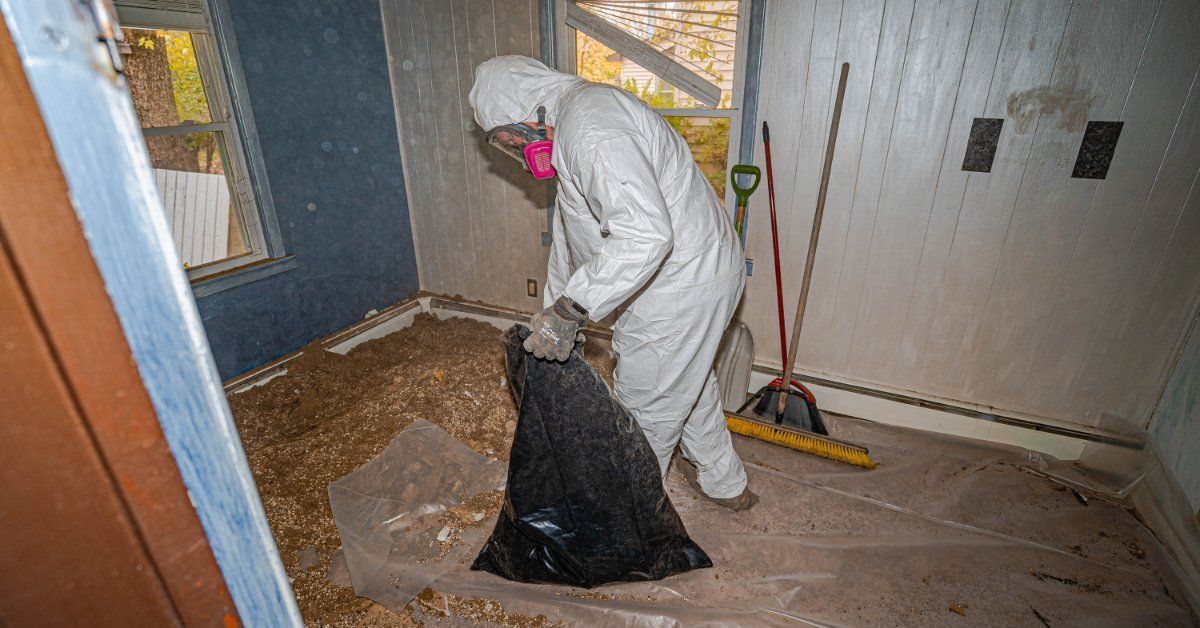
Disposal begins with a few important steps. Proper containment, labeling, sealing, and documentation all take place at the property level. Each phase ensures materials remain secure during transport and meet site standards.
Facilities won’t accept waste that doesn’t meet these requirements. That’s why preparation remains essential to the entire process.
Transportation and Compliance
Transporting asbestos waste requires strict adherence to Massachusetts regulations. They emphasize that:
- Vehicles follow specific labeling guidelines
- Drivers carry detailed documentation
- Routes align with safety standards
These measures protect workers and the public. When transport meets compliance standards, disposal sites can process materials efficiently without delays or safety risks.
Environmental Safeguards at Disposal Sites
Approved disposal facilities use engineered systems to contain hazardous materials. Protective liners, monitoring wells, and controlled landfill cells prevent contamination from spreading.
Regular inspections check that each site meets safety expectations. This long-term approach reflects the state’s commitment to responsible waste handling.
Common Challenges Property Owners Face
Many homeowners don’t expect the level of complexity involved in asbestos disposal. Challenges tend to include limited site availability, strict preparation requirements, transportation logistics, and the risk of rejected materials.
These factors can slow projects down and create added stress, especially during renovations or real estate transactions.
Asbestos Disposal in Practice
Taking a closer look at Massachusetts asbestos disposal sites reveals how interconnected the entire system is. Preparation, transport, and disposal all rely on one another to maintain safety and compliance. When each step aligns properly, projects move forward without unnecessary delays.
At the core of this process, proper asbestos abatement correctly handles materials before disposal. It bridges the gap between identification and final handling, keeping everything in line with state regulations.
Move Forward With the Right Support
Understanding disposal requirements puts you in a stronger position to handle asbestos safely. Air Safe Inc. supports homeowners across Eastern Massachusetts with experienced, residential-focused removal services. If you’re facing a project involving asbestos, now’s the time to act and get clear, professional guidance.