Common Places To Find Asbestos in a Home
Asbestos, a once-popular building material, is now a concern for many homeowners. Knowing whether asbestos is present is essential for people who value safety and comfort in their living spaces.
Asbestos was common in homes built before the 1980s due to its heat resistance and durability. While we don’t use it in modern construction, many older homes may have this dangerous substance lurking beneath their foundation.
Let’s explore the common places to find asbestos in a home. With our help, you’ll have the information you need to make informed decisions about your property.
Attic Insulation
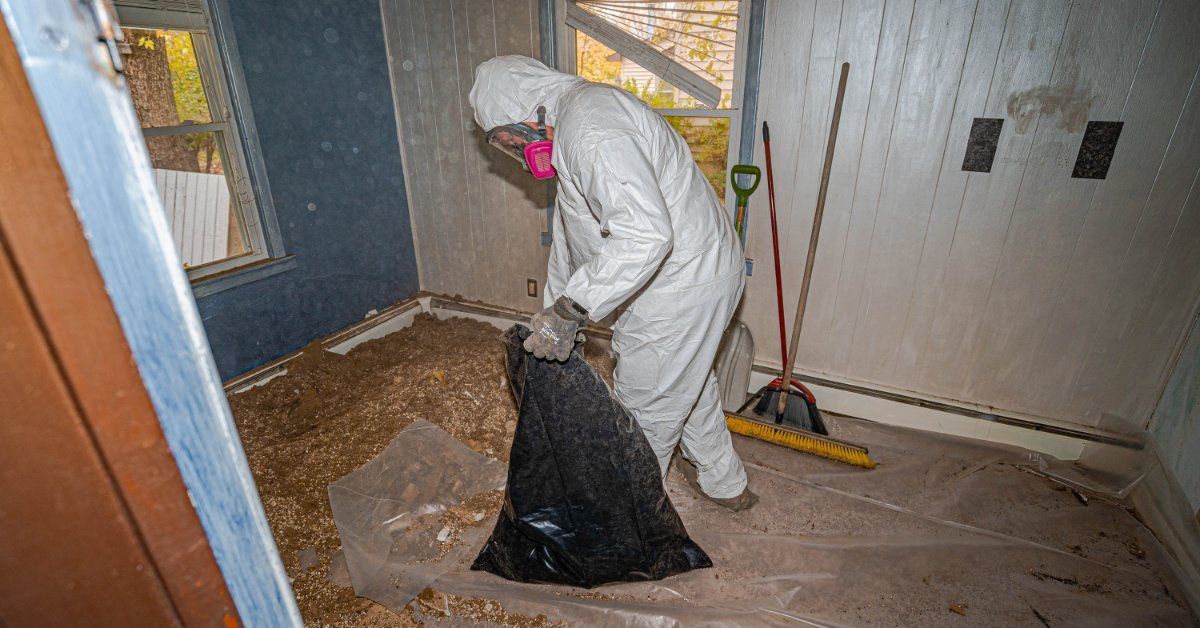
Attic insulation is a common area where homeowners may find the presence of asbestos. Homes built before the 1980s often used asbestos-containing materials (ACMs) in their insulation, including vermiculite.
Vermiculite insulation, sourced from mines contaminated with asbestos, poses a significant risk when disturbed. If you suspect your attic insulation may contain asbestos, you should immediately hire a professional to inspect and remove it.
Flooring Materials
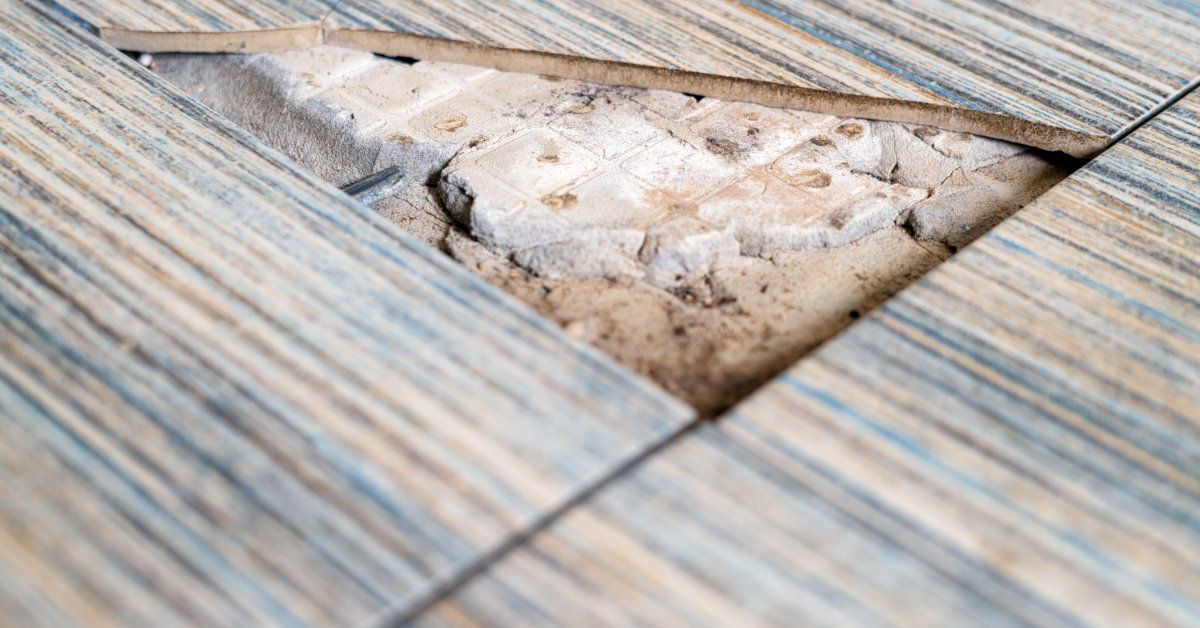
Many flooring products, including vinyl tiles and adhesives, also contained asbestos before the 1980s. If builders installed vinyl flooring during this period, you should proceed with caution when remodeling.
The risk arises when these tiles deteriorate or become damaged, releasing asbestos fibers into the air. If you plan to renovate or replace old flooring, take caution and consult a professional who can complete the project safely.
Roof Shingles and Siding
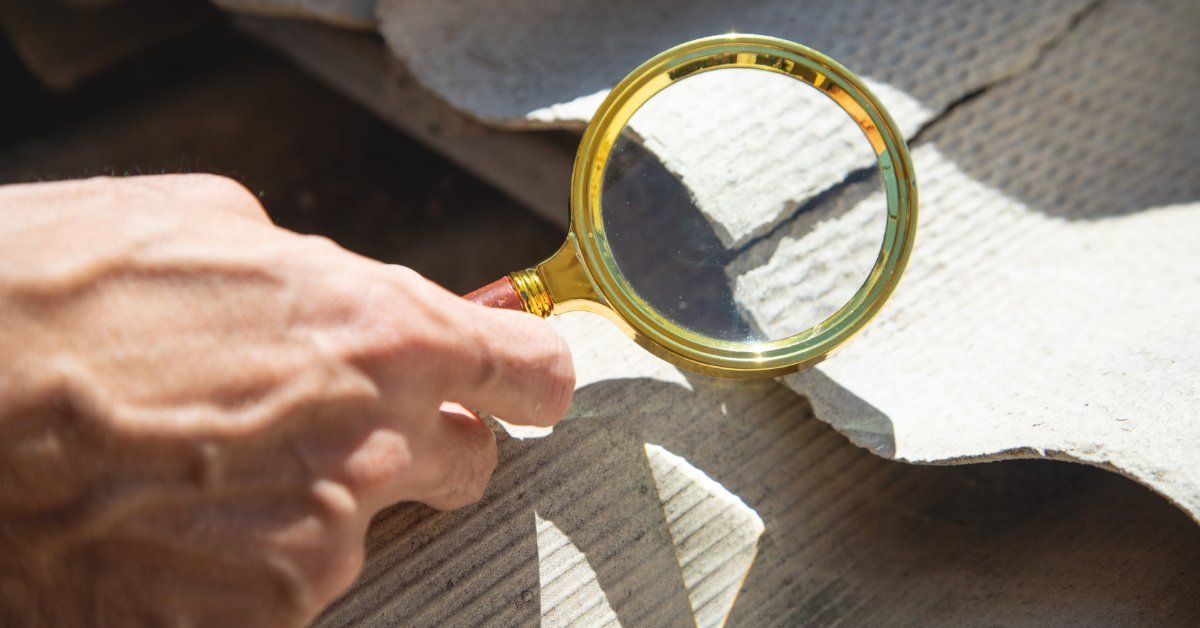
Roofing materials, including shingles and siding, often contained asbestos due to their fire-resistant properties. Over time, exposure to weather conditions can cause these materials to break down, potentially releasing asbestos fibers. If your home has older shingles or siding, you should have them assessed for asbestos before conducting any repairs or replacements.
Pipe Insulation
Older homes often used asbestos in pipe insulation, especially around boilers, furnaces, and hot water pipes. Builders would apply the asbestos as a wrapping to prevent heat loss and fire hazards.
This material becomes dangerous if disturbed during home maintenance or renovation projects. If your home contains older insulation, have it professionally tested and removed if necessary to protect your family’s health.
Textured Wall and Ceiling Coatings
Many builders added asbestos to textured coatings such as popcorn ceilings and decorative wall treatments. These coatings were popular for their durability and noise-reducing properties.
However, disturbing these surfaces can release asbestos fibers into the air, creating a health hazard. If you plan to update these surfaces, contact a professional for safe asbestos removal.
Understanding the common places to find asbestos in a home can help you protect your family and property. Whether it’s in your attic insulation, flooring, or wall coatings, addressing asbestos safely will help you maintain a healthy environment.
If your home contains vermiculite insulation or other asbestos materials, consult a professional for proper vermiculite removal and asbestos abatement. Contact Air Safe today to make your home an asbestos-free zone and protect your investment.