A Brief History of Asbestos Insulation in the US
Asbestos insulation was once considered a revolutionary building material in the US. However, as knowledge about its health risks expanded, the industry pivoted, leading to strict regulations and removal efforts.
Come with us as we explore the rise, fall, and current state of asbestos insulation in American homes. Homeowners across the country should know the brief history of asbestos insulation in the US.
The Rise of Asbestos in American Homes
Asbestos gained popularity in the late 19th century due to its unique properties. Its heat resistance, durability, and affordability made it ideal for insulation in homes and buildings.
Manufacturers used asbestos in various products, including pipe insulation, ceiling tiles, and spray-applied insulation. By the mid-20th century, asbestos became a common feature in homes across the country, especially in areas needing improved energy efficiency.
Growing Concerns About Health Hazards
As early as the 1930s, researchers began noticing a connection between asbestos exposure and lung diseases. However, it wasn't until the 1960s that the dangers became widely known.
Prolonged exposure to asbestos fibers can seriously impact a person’s health, potentially resulting in asbestosis, lung cancer, and mesothelioma. These revelations sparked concern among homeowners and construction workers, leading to the slow decline of asbestos use in building materials.
Regulatory Action and the Decline of Asbestos Use
In the 1970s, the US government started to legislate against the use of asbestos in homes and public buildings. The Environmental Protection Agency (EPA) played a critical role in this effort, banning certain asbestos-containing products and enacting regulations to protect workers and homeowners. By the 1980s, the use of asbestos in insulation products had significantly decreased, though many older homes still contained the material.
How Asbestos Affects Homeowners Today
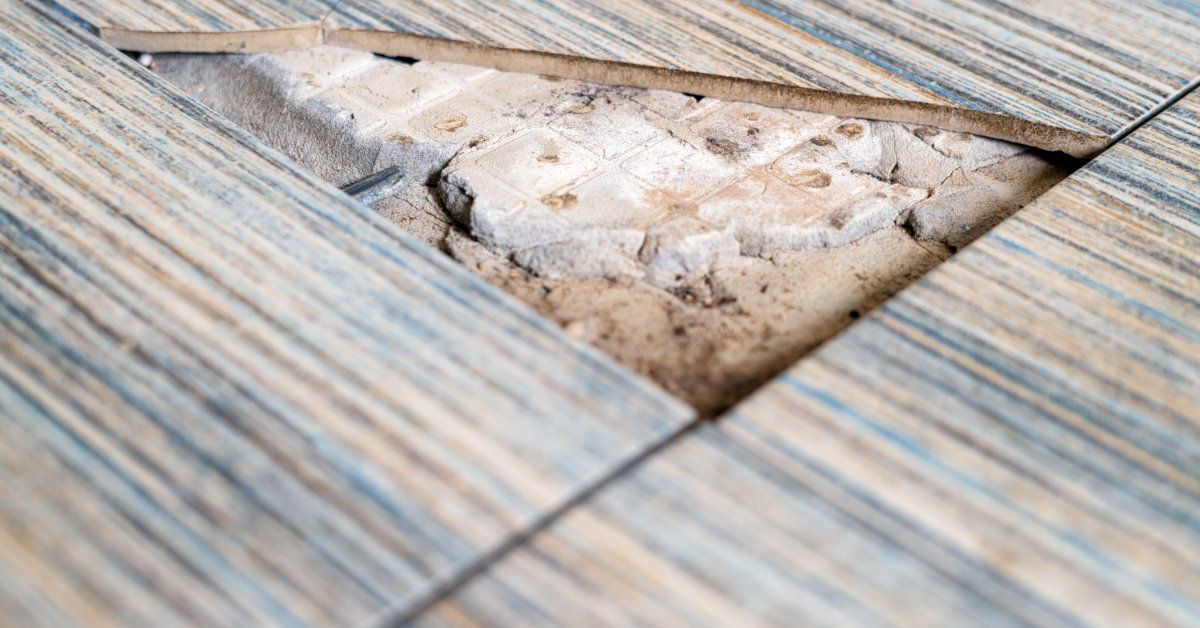
Despite the regulations, many homes built before the 1980s still contain asbestos insulation. Asbestos abatement professionals advise homeowners against disturbing asbestos-containing materials, as doing so can release harmful fibers into the air.
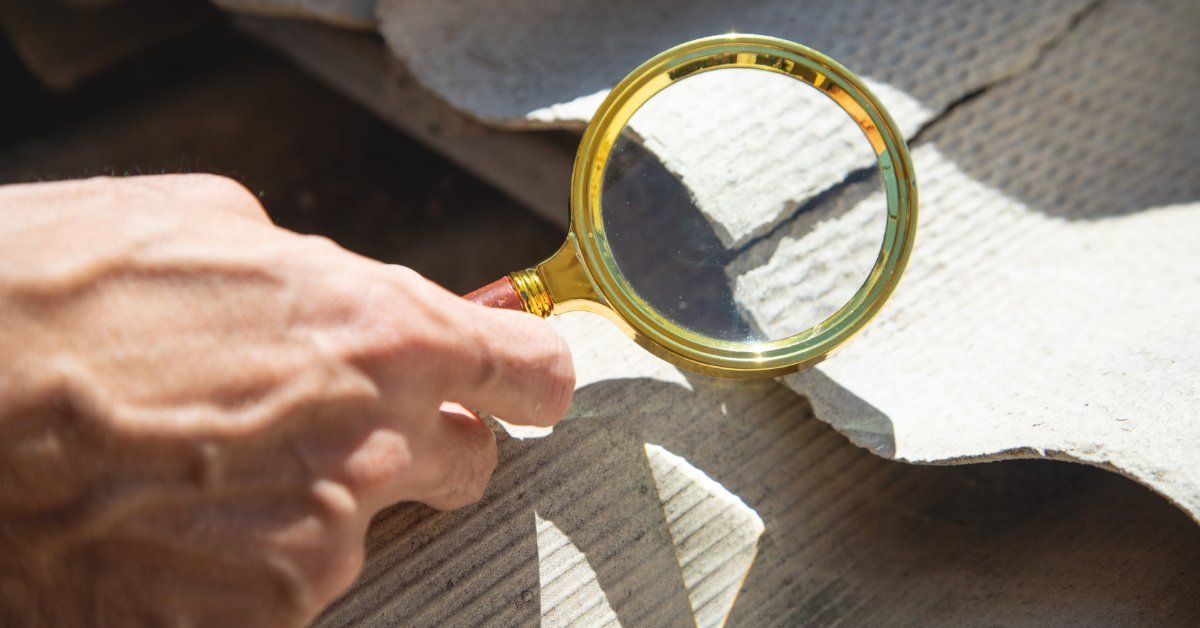
Professional inspections can identify areas where asbestos is present, allowing for safer living conditions. Homeowners, especially those considering renovations or remodeling, should know the potential risks associated with older insulation.
Safe Removal: The Role of Asbestos Abatement
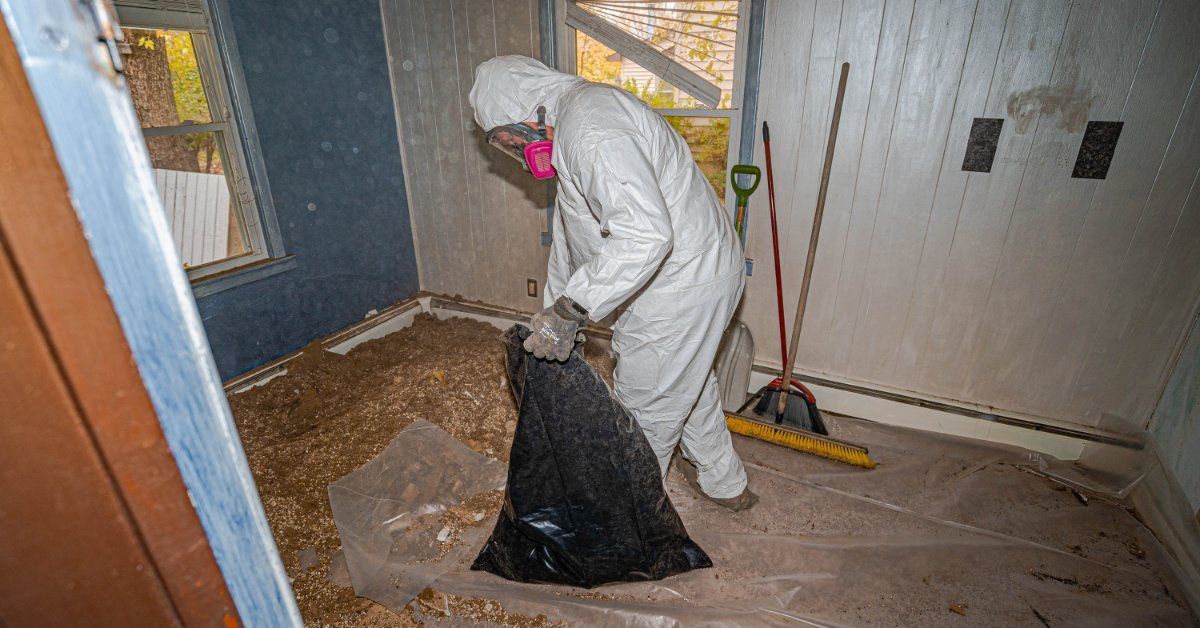
Once you’ve identified the presence of asbestos, it’s crucial to have it professionally removed. Asbestos abatement specialists use specialized techniques to remove and dispose of the material safely.
This process involves sealing off contaminated areas, using protective equipment, and using proper disposal methods to prevent exposure. Homeowners should always hire licensed professionals to handle asbestos abatement.
Understanding the brief history of asbestos insulation in the US is crucial for homeowners, particularly those living in older homes. While asbestos was once a widely used material, its health risks have made its safe removal a priority for many.
If you’re in need of asbestos abatement in MA, consider seeking professional help. Air Safe will help you determine how you should approach the situation. By taking the necessary precautions, you can protect your living environment for yourself and your family.