Asbestos History: The Story of the Libby Mine
The history of asbestos in the United States contains industrial progress and public health challenges. One significant part of this history is the story of the Libby Mine in Montana.
This mine, once a major source of vermiculite, left a lasting impact on the environment and the health of those who lived and worked nearby. Understanding the story of the Libby Mine is crucial for homeowners who may have concerns about asbestos in their homes today.
The Discovery and
Early Operations
In the late nineteenth century, gold miners discovered the Libby Mine in the small town of Libby, Montana. The mine was rich in a mineral called vermiculite, which was later found to contain asbestos fibers.
Companies used asbestos—valued for its heat-resistant properties—in a wide range of products, from insulation to roofing materials. The mining and processing of vermiculite from the Libby Mine quickly became a booming industry, providing jobs and economic growth in the region.
Health Impacts and Environmental Concerns
Unfortunately, the asbestos fibers present in the vermiculite mined at Libby had severe health implications. Workers and residents in the area were exposed to asbestos dust, leading to a rise in asbestos-related diseases, such as mesothelioma and asbestosis.
The environmental impact was equally devastating, as asbestos fibers were released into the air and water, affecting the broader community. Over time, the dangers of asbestos exposure became undeniable, leading to increased scrutiny and regulations.
The Decline of the Libby Mine
By the 1980s, the Libby Mine was under intense pressure from environmental and health organizations. The dangers of asbestos were well-known by this point, and the mine’s operations were no longer tenable.
Legal battles and mounting evidence of the health risks associated with asbestos exposure ultimately led to the mine’s closure in 1990. The closure marked the end of an era for Libby, Montana. However, the mine did leave behind a legacy of contamination and health issues that continue to affect the community today.
Cleanup and
Remediation Efforts
After the mine’s closure, the US government made significant efforts to address the contamination left behind. The Environmental Protection Agency (EPA) designated Libby as a Superfund site, dedicating resources to clean up the asbestos contamination.
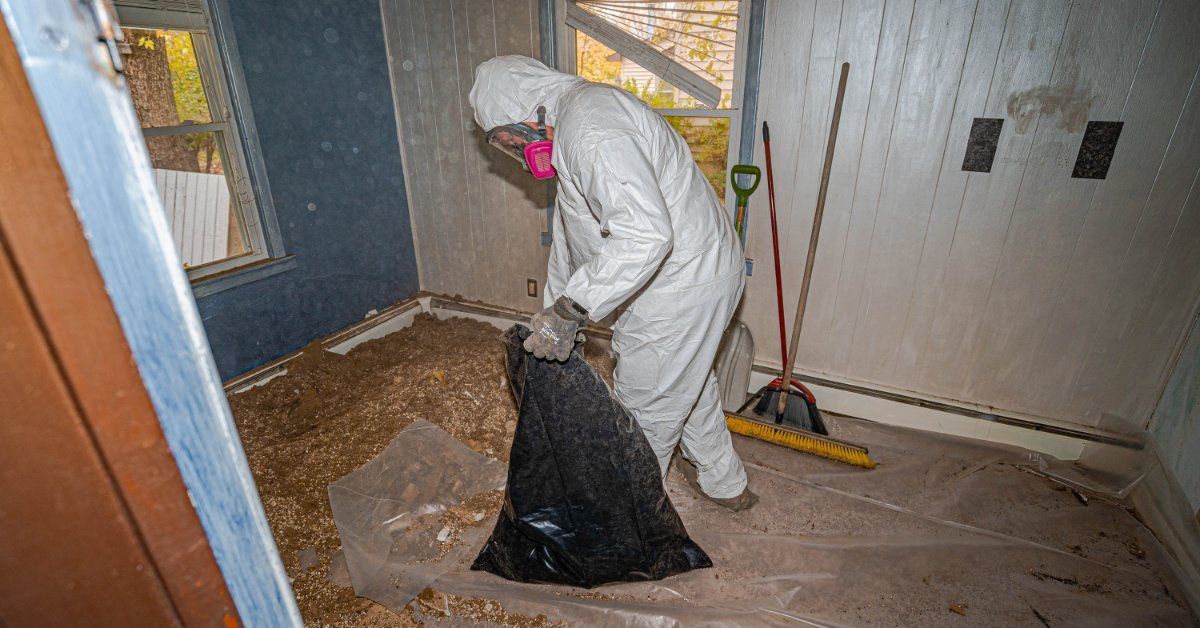
Homes, businesses, and public spaces in Libby were thoroughly investigated and cleaned, though the process was long and challenging. These remediation efforts have helped reduce the risk of asbestos exposure, but the memory of the mine’s impact lingers.
The Importance of
Asbestos Awareness
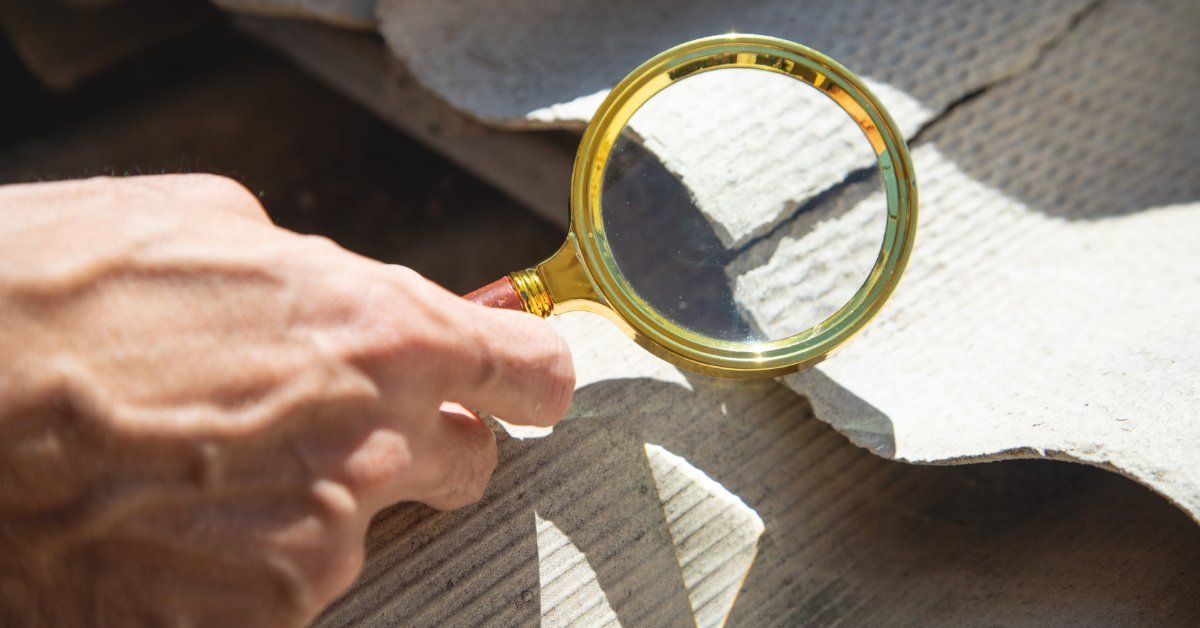
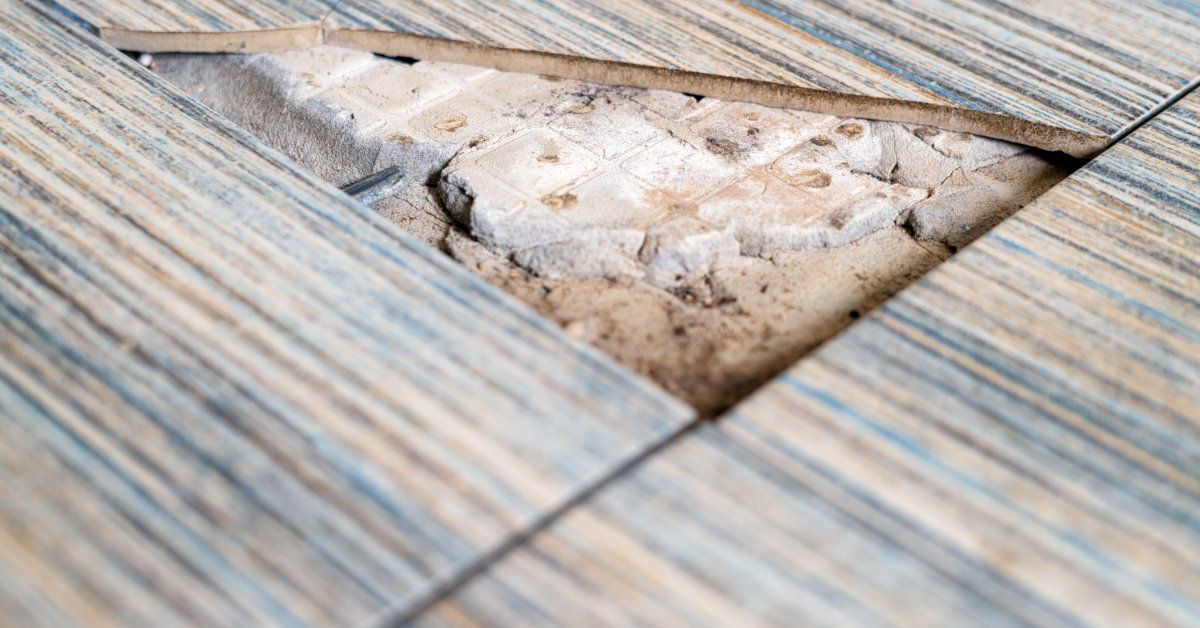
For homeowners today, the story of the Libby Mine serves as a reminder of the importance of asbestos awareness. Although asbestos use is virtually non-existent in modern homes and buildings, this material is still found in older homes, particularly in insulation, floor tiles, and roofing materials. Homeowners should remain vigilant and consider professional inspections, especially if their homes predate the 1980s.
The story of the Libby Mine is a sobering chapter in asbestos history in the United States. It highlights the need for continued vigilance and awareness of asbestos in the home. Homeowners concerned about potential asbestos exposure should seek the services of an asbestos abatement company like Air Safe to keep their homes safe. Understanding the history of asbestos, particularly through the lens of the Libby Mine, underscores the importance of protecting ourselves and our loved ones from this material’s dangers.