Don't Remove Your Popcorn Ceilings Without Testing for Asbestos First

Elyse Aufmann • October 24, 2022

Popcorn ceilings, also known as acoustic ceilings or textured ceilings are great for households that care about sound control. They help absorb the sound and prevent it from bouncing around the room. However, as helpful as these ceilings are, they’re difficult to replace in pieces. It’s worth understanding the possible health hazards before removing your popcorn ceiling.

Test it First!

One of the best tips for your popcorn ceiling removal is to test it first. Contact Air Safe to test your textured ceiling and the base coat for asbestos content. Asbestos is a dangerous mineral that was widely used before 1980. Older homes that have not been updated are at risk of asbestos contamination, making testing for asbestos a crucial first step. Luckily, hiring an asbestos abatement company to test your ceilings is easy. If you confirm the existence of asbestos, the same company can remove it for you and set you up for a healthier living area.

Cover your furniture

If you have had it tested and found that you have no asbestos, go ahead and do it yourself if you like. You will want to cover your flooring, furniture, and any valuable items with a cover makes it much easier to clean when you are finished with the project. When you finish the work, the film will act as a bag for you to pack everything into. Wrapping it all up minimizes the mess.

Scrape it Off

Popcorn ceilings lose their effectiveness when they are either painted over or damaged. For this reason, you cannot replace parts of a popcorn ceiling and must remove it entirely.  Once your room is covered up, the most typical method of removing popcorn ceilings is scraping it off. Work slowly in large, smooth strokes.

Keeping your home safe from any harmful materials is a high priority. Updating older homes is a normal part of that process. Whether changing your popcorn ceiling or disturbing any building material always be sure to test it for asbestos content first.

A residential entrance enclosed in translucent plastic sheeting, with bags, rolled materials, and a
By Ryan Gallagher • October 22, 2026
Found asbestos in your home? Removal may not be the only option. Understand how abatement and encapsulation relate and what could affect your next steps.
A close-up of coarse vermiculite granules spread across a flat surface, showing their layered textur
By Ryan Gallagher • October 9, 2026
Before vermiculite removal begins, the wrong prep can create unnecessary risks. Find out how to get your home ready while leaving suspect insulation untouched.
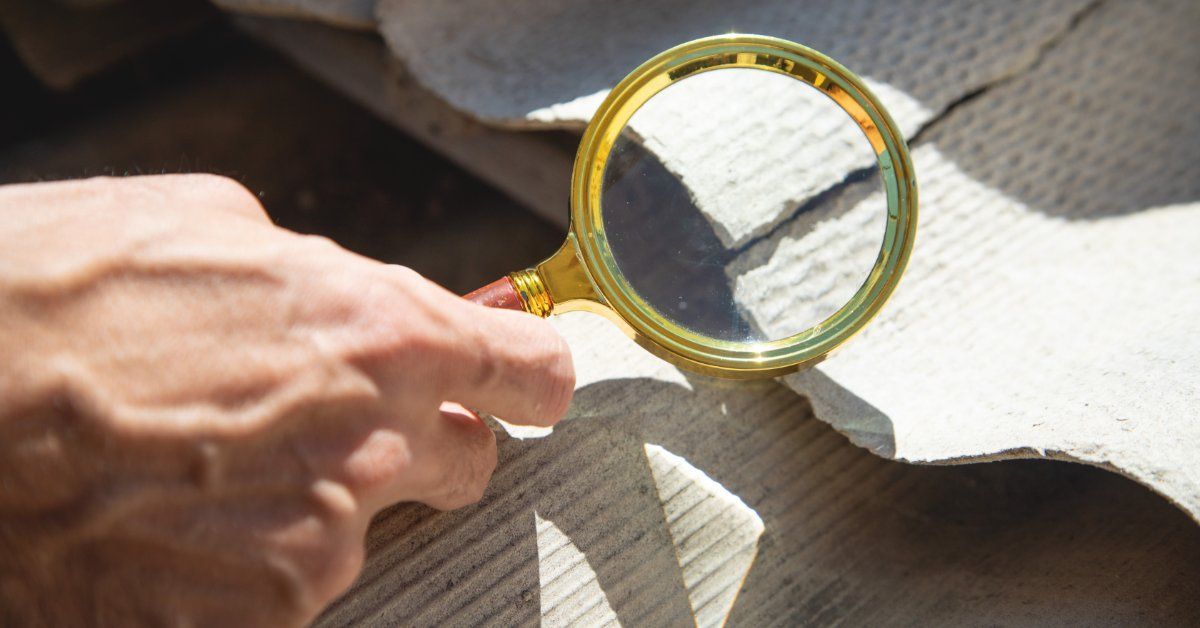
A person holding a magnifying glass over corrugated roofing material with broken edges
By Ryan Gallagher • September 25, 2026
When suspect materials raise questions, guessing can complicate your next move. Learn when professional asbestos testing can give you clearer answers.
A large metal dumpster filled with broken construction debris, white bags, wood pieces, and loose ma
By Ryan Gallagher • September 14, 2026
Not sure where asbestos waste can legally go in Massachusetts? See what homeowners should know before arranging compliant removal and disposal.
A close-up of a man wearing a face mask and gloves, inspecting a wall with peeling paint and damage
September 10, 2026
Planning asbestos work in Massachusetts? Learn how the 10-day notification rule affects your timeline and what to expect before your project can begin.
Two people sitting on a light couch with documents.
By Ryan Gallagher • August 6, 2026
Found vermiculite insulation in your attic? There's an important program to know about. See how your home can benefit from the Zonolite Trust.
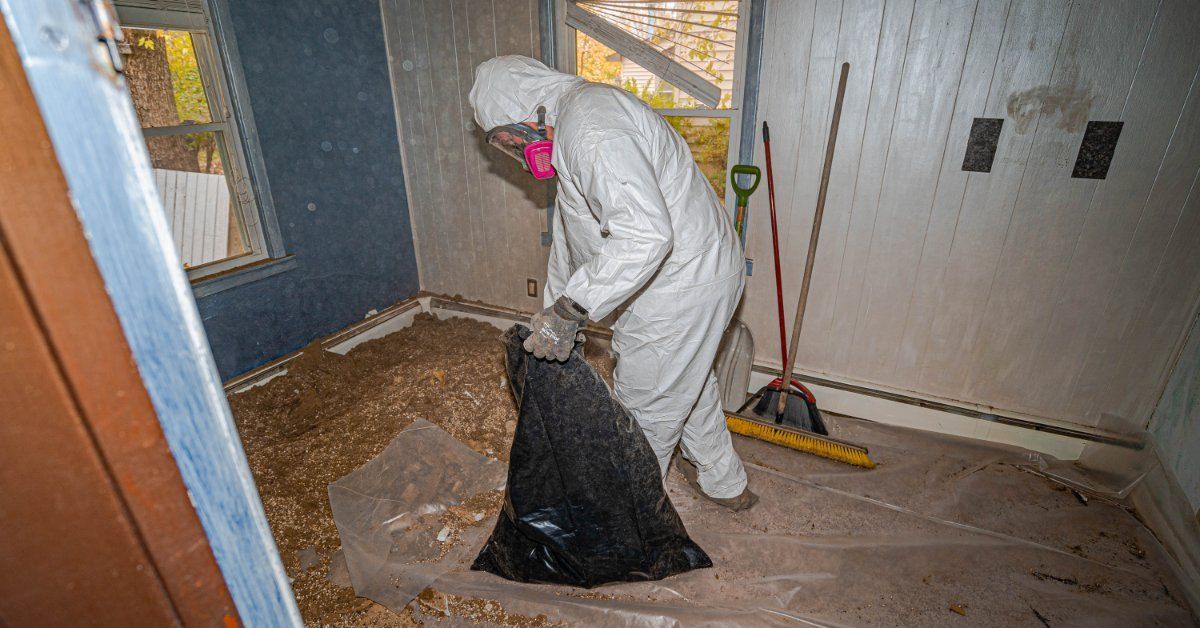
A person in a white protective suit placing debris into a black bag inside a room with tools.
By Ryan Gallagher • July 28, 2026
Cutting corners on asbestos removal in your home can cost far more over time. Discover the risks of improper removal and the value of doing it right.
Two men in coveralls and respirator masks adjust their protective gear as they stand by the doorway
July 22, 2026
Asbestos fibers can become airborne during renovations in some properties. See how HEPA filtration helps improve safety and containment efforts.
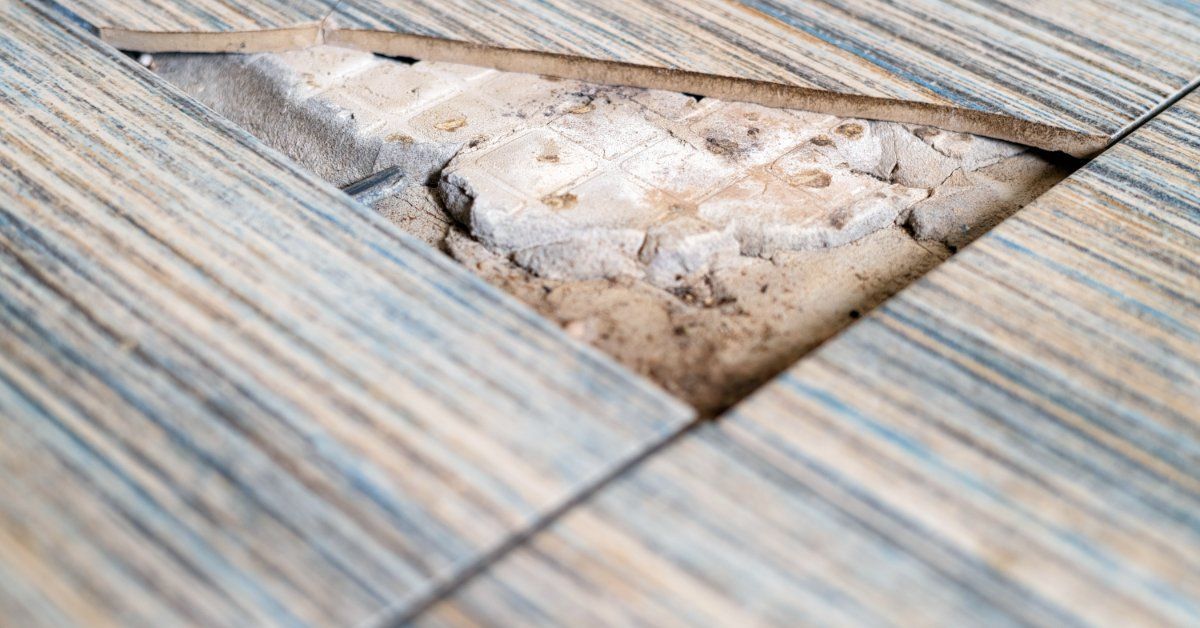
An extreme close-up of a broken ceramic floor tile revealing asbestos and surrounding damage to the
By Ryan Gallagher • July 15, 2026
Older flooring may hold clues that deserve a closer look before your next renovation. Hidden details beneath aging tile could affect your plans.
A close-up of a dual LED bulb light fixture with a glass cover mounted on a speckled popcorn ceiling
June 17, 2026
Questions about older textured ceilings continue to concern homeowners. Key safety considerations shape testing decisions before renovations begin.