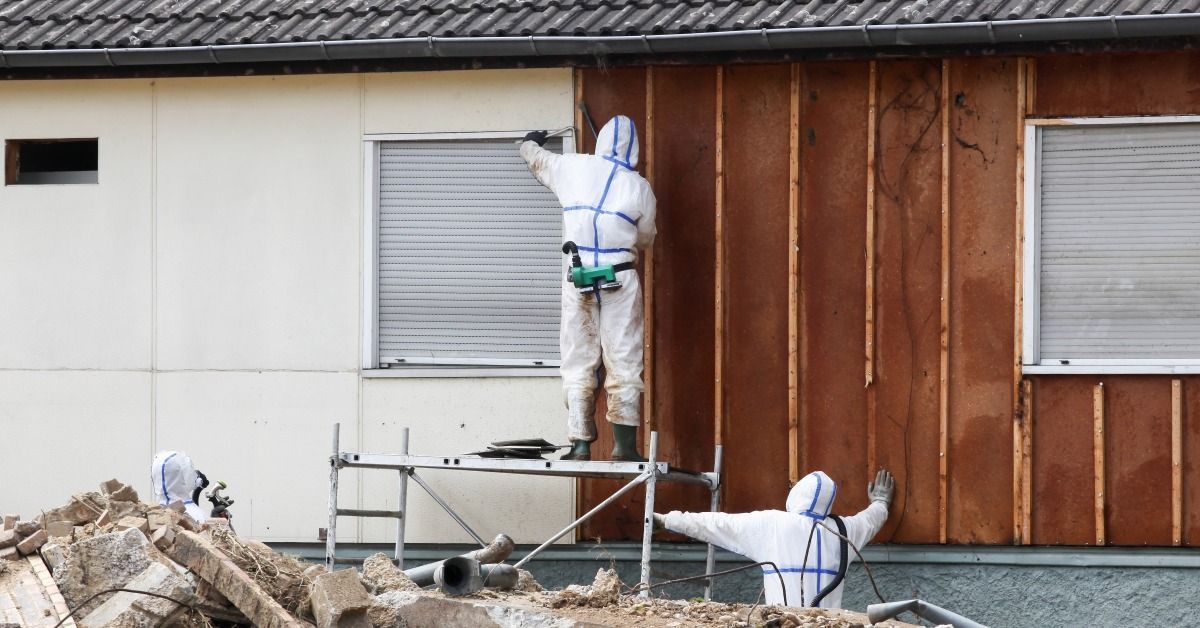
4 Ways To Check for Asbestos Before Remodeling
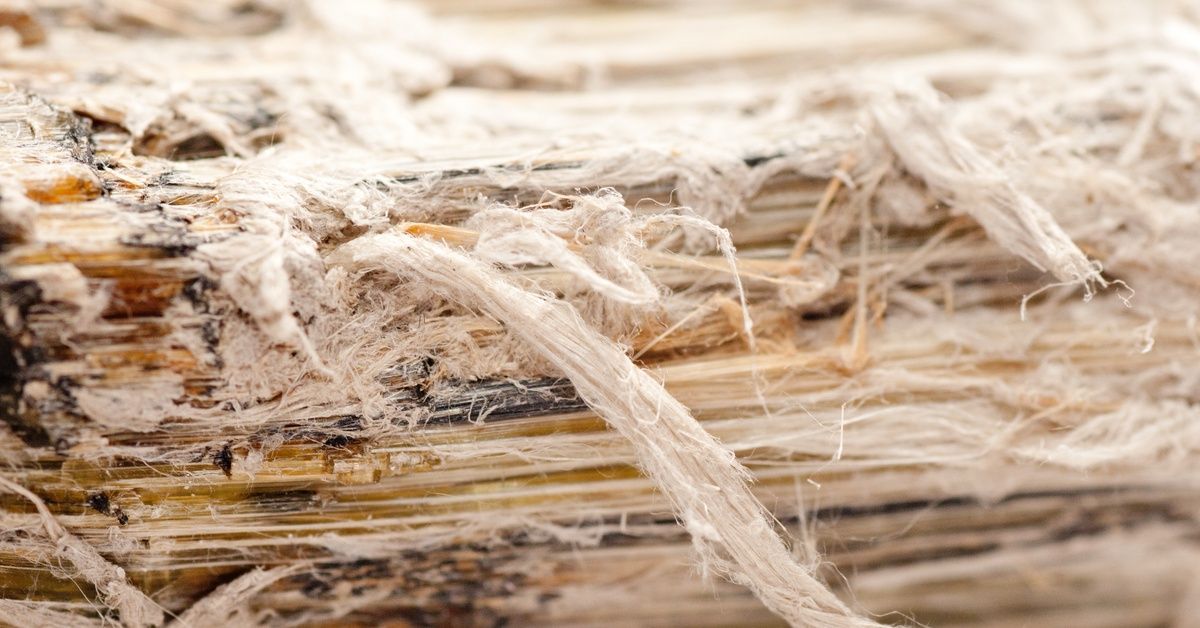
Remodeling a home brings excitement but also requires careful planning, especially when dealing with older properties. One critical concern is the presence of asbestos, a hazardous material once commonly used in construction. If disturbed, asbestos fibers can become airborne and pose severe health risks.
Before beginning any renovation, homeowners should take precautions to identify and manage asbestos safely. Here are four ways to check for asbestos before remodeling to ensure a safe and successful project.
1. Identify High-Risk Materials and Areas
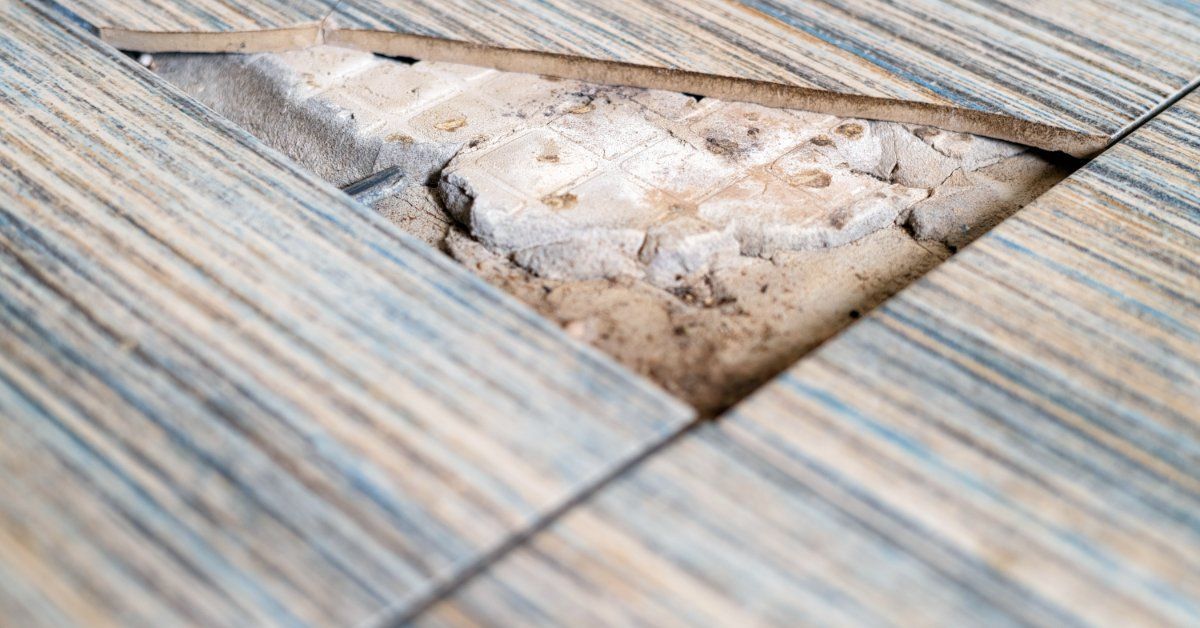
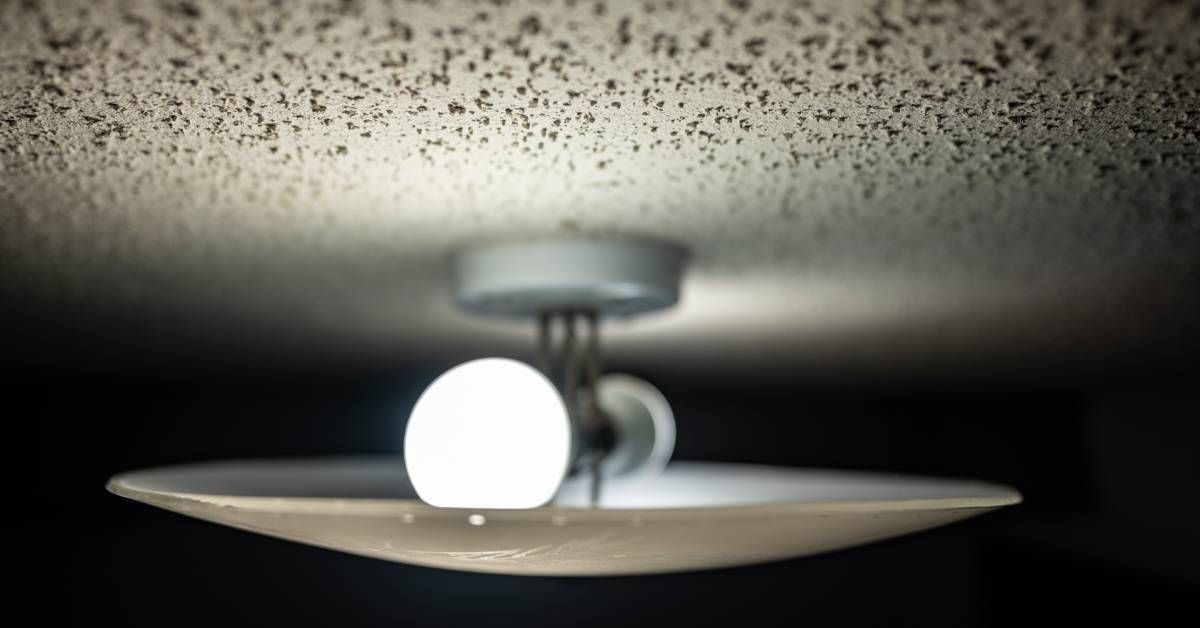
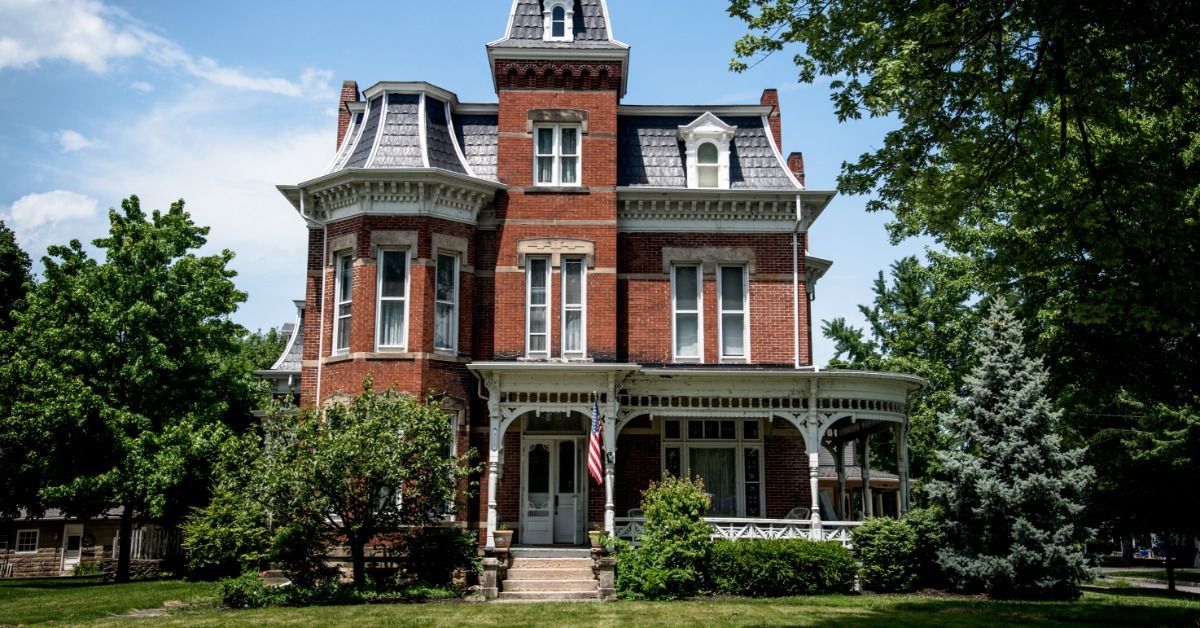
Homes built before the 1980s often used asbestos-containing materials, primarily in insulation, flooring, ceiling tiles, and roofing. You'll often find it in textured paint, old HVAC duct insulation, and cement-based products. Homes with popcorn ceilings, vinyl flooring, or older drywall may also contain asbestos.
Before starting renovations, inspect these areas carefully. While you can spot some asbestos-containing materials, others may have hiding places within walls, attics, or under flooring. Knowing common locations where asbestos resides helps homeowners confirm its existence.
2. Review Construction Records and Manufacturer Labels
Checking historical documents can provide valuable insight into whether asbestos exists in a home. Building permits, construction records, and renovation history often list materials used during construction. Additionally, manufacturer labels on insulation, floor tiles, or roofing shingles may indicate whether they contain asbestos.
Homeowners without documentation should consult previous owners or local building departments for more information. While this method doesn’t provide absolute certainty, it is an initial step in determining potential asbestos risks.
3. Use an At-Home Asbestos Testing Kit
Homeowners can purchase asbestos testing kits to collect material samples for laboratory analysis. These kits typically include detailed instructions, protective gear, and sample containers.
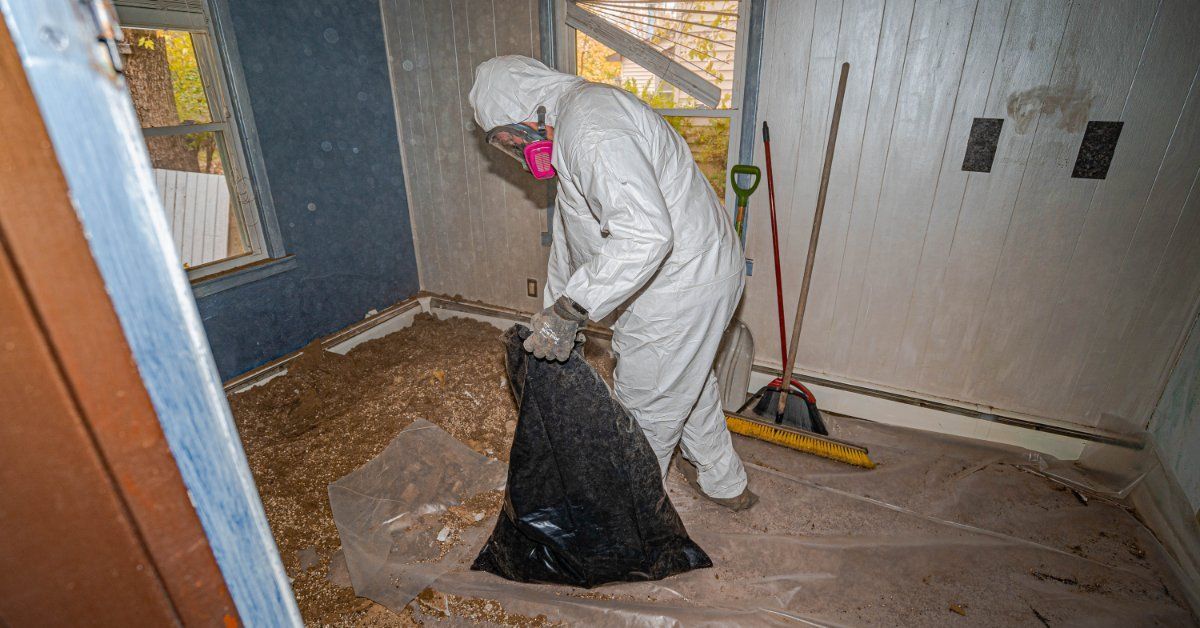
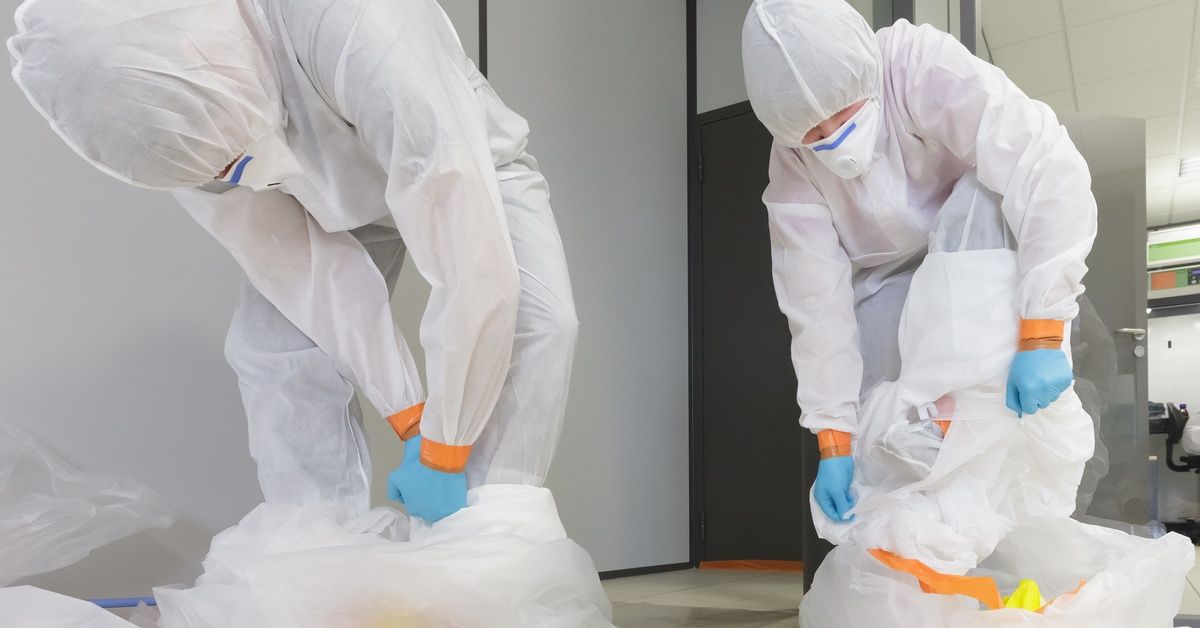
When collecting samples, homeowners must follow all safety precautions, including wearing gloves and masks and sealing off the area to prevent asbestos fibers from spreading. Once collected, they should send the samples to a certified laboratory for analysis.
While DIY kits offer a cost-effective way to test for asbestos, they require careful handling to minimize exposure risks. If uncertainty remains, homeowners should consider professional testing.
4. Hire a Certified Asbestos Inspector
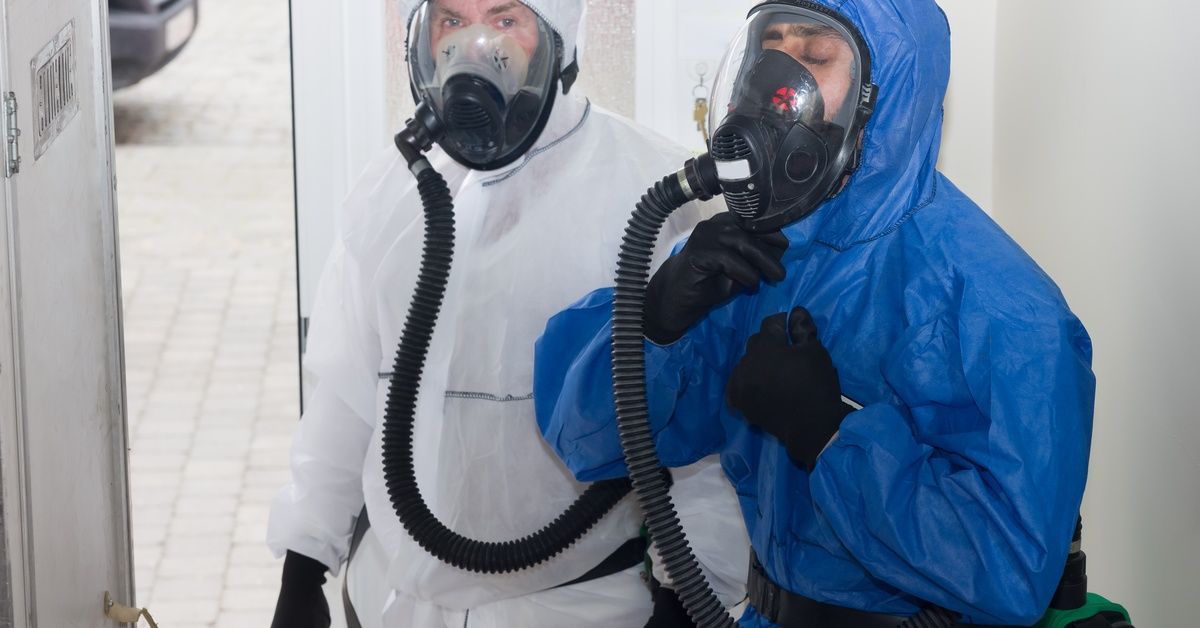
A professional inspector provides the most accurate assessment of asbestos risks before remodeling. Certified specialists use advanced testing methods, such as air sampling and material analysis, to confirm the presence of asbestos. They also evaluate the condition of materials and recommend the safest course of action.
Professional inspections ensure compliance with local regulations and reduce health risks associated with asbestos exposure. While this method involves additional costs, it offers peace of mind and accurate results, making it the safest choice for homeowners planning a remodel.
Before starting home renovations, homeowners should prioritize safety by identifying potential asbestos hazards. These four ways to check for asbestos before remodeling help prevent exposure risks and ensure compliance with safety regulations.
Consulting an asbestos removal company after identifying asbestos in your home guarantees safe and thorough asbestos mitigation. Contact Air Safe today to maintain your safety before beginning a home remodel.