Who Qualifies for the Mass Save Rebate Program?
The Mass Save Rebate Program is a valuable resource for homeowners seeking to improve their home’s energy efficiency while reducing costs. With a variety of incentives, this program supports efforts to make Massachusetts homes more sustainable. Understanding who qualifies for the Mass Save rebate program ensures homeowners can take full advantage of the benefits it offers.
General Eligibility Requirements
To qualify for the Mass Save Rebate Program, you must reside in Massachusetts and receive service from one of the participating utility companies. These companies include:
- National Grid
- Eversource
- Unitil
- Cape Light Compact
- Berkshire Gas
- Liberty
Homeowners must also own a one-to-four-unit home to participate. Renters may also qualify for the program, provided they have written consent from their landlord to make energy-efficient upgrades.
The program applies to existing homes and new construction projects, making it accessible to many participants. However, all upgrades or installations must meet the program’s specific energy efficiency standards to qualify for rebates.
Covered Energy Efficiency Upgrades
The Mass Save Rebate Program offers rebates for various energy-efficient upgrades, including insulation, heating and cooling systems, water heaters, and smart thermostats. Homeowners can also receive incentives for upgrading windows and doors or installing solar panels. In some cases, the program covers a portion of the cost for energy assessments, which identify opportunities to enhance a home’s energy performance.
Each type of upgrade has its own set of requirements, such as minimum efficiency ratings or specific installation guidelines. Consulting with a Mass Save-approved contractor ensures compliance and maximizes the rebate amount you can receive.
Income-Eligible Rebates
For households with lower income levels, Mass Save offers additional incentives to make energy efficiency upgrades more affordable. These income-eligible programs provide higher rebate amounts and sometimes cover the full cost of certain upgrades.
Eligibility for income-based programs depends on household size and annual income levels, which align with state and federal guidelines. By participating in income-eligible rebates, homeowners can reduce their energy bills and improve the comfort and safety of their homes.
Applying for the Mass Save Rebate Program
Applying for the Mass Save Rebate Program involves multiple steps. First, schedule a no-cost home energy assessment through the Mass Save website or by contacting a participating utility company. During the assessment, a certified professional evaluates your home’s energy efficiency and recommends eligible upgrades.
Once you complete the recommended improvements, submit all required documentation, including receipts and proof of installation, to the Mass Save program. Rebate processing typically takes a few weeks, and homeowners receive their funds either by mail or electronically.
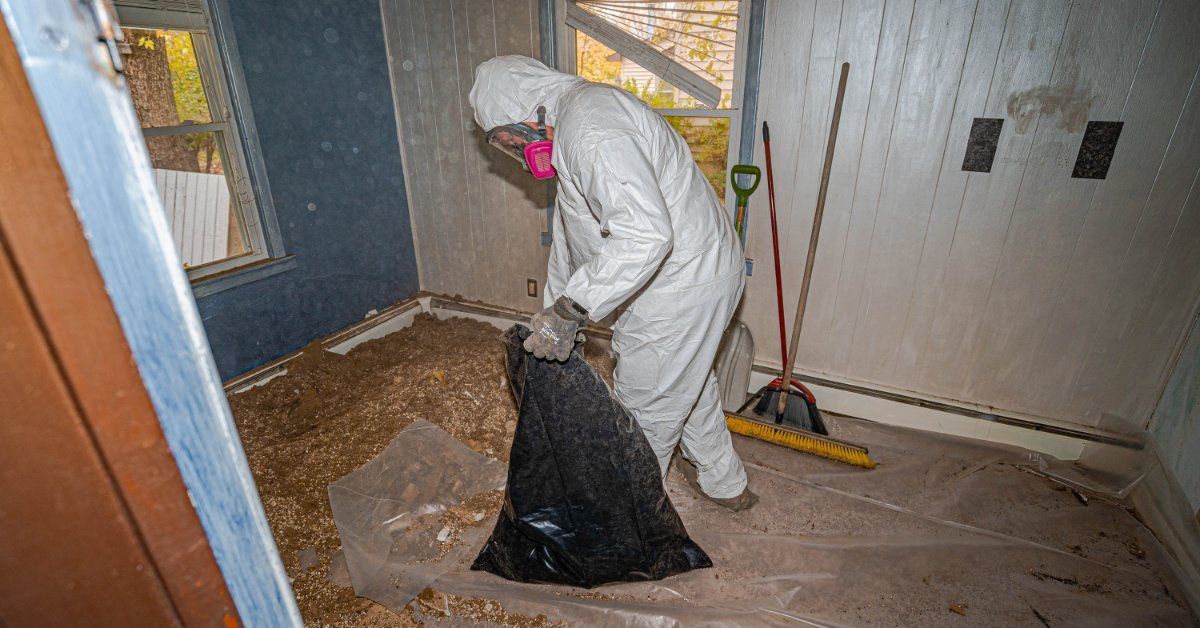
Massachusetts homeowners should find out who qualifies for the Mass Save rebate program and take full advantage of its offerings. Whether considering insulation upgrades, new heating systems, or services from an asbestos abatement company like Air Safe, the Mass Save Rebate Program ensures you’re supported every step of the way. Take advantage of this program today and experience the benefits of energy efficiency.