5 Ways Your Home Can Make Your Family Sick
A healthy home is essential to maintaining your family's well-being. However, hidden dangers lurking within your house can pose significant health risks. From outdated materials to unseen contaminants, here are five ways your home can make your family sick and what you can do to address these concerns.
1. Mold and Mildew Growth
Mold thrives in damp and humid environments, making bathrooms, basements, and poorly ventilated areas prime locations for growth. Exposure to mold can trigger allergic reactions, asthma, and respiratory infections.
Black mold produces mycotoxins that can have severe health effects. Regularly inspecting your home for leaks and maintaining proper ventilation reduces the risk of mold growth. Dehumidifiers can also help keep humidity levels in check.
2. Asbestos in Older Homes
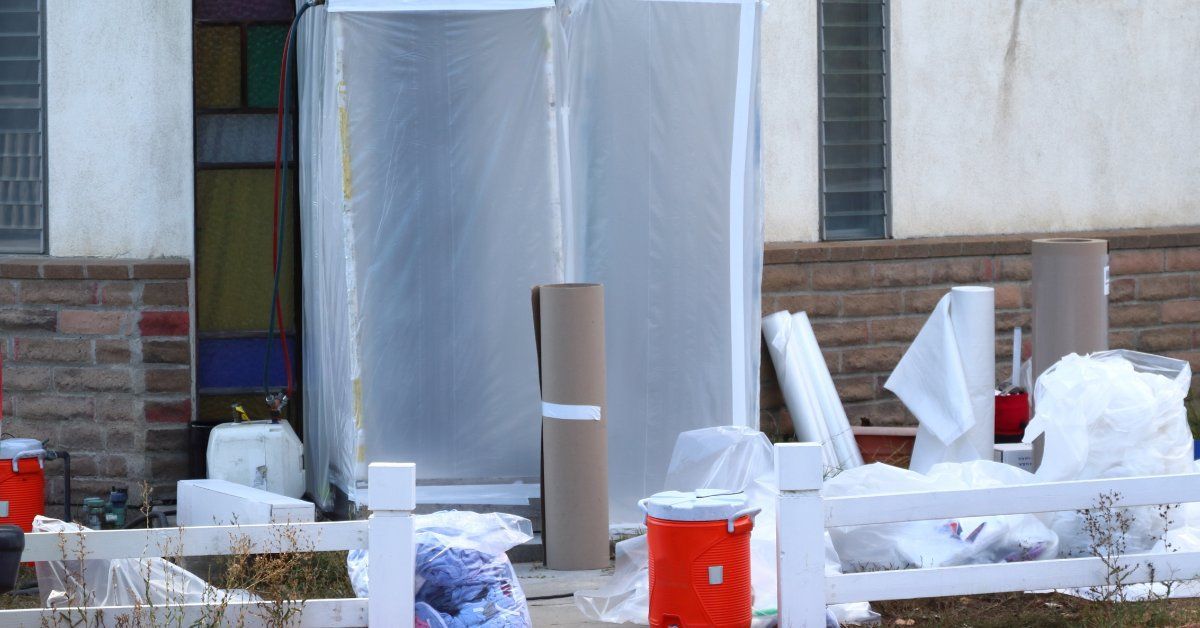
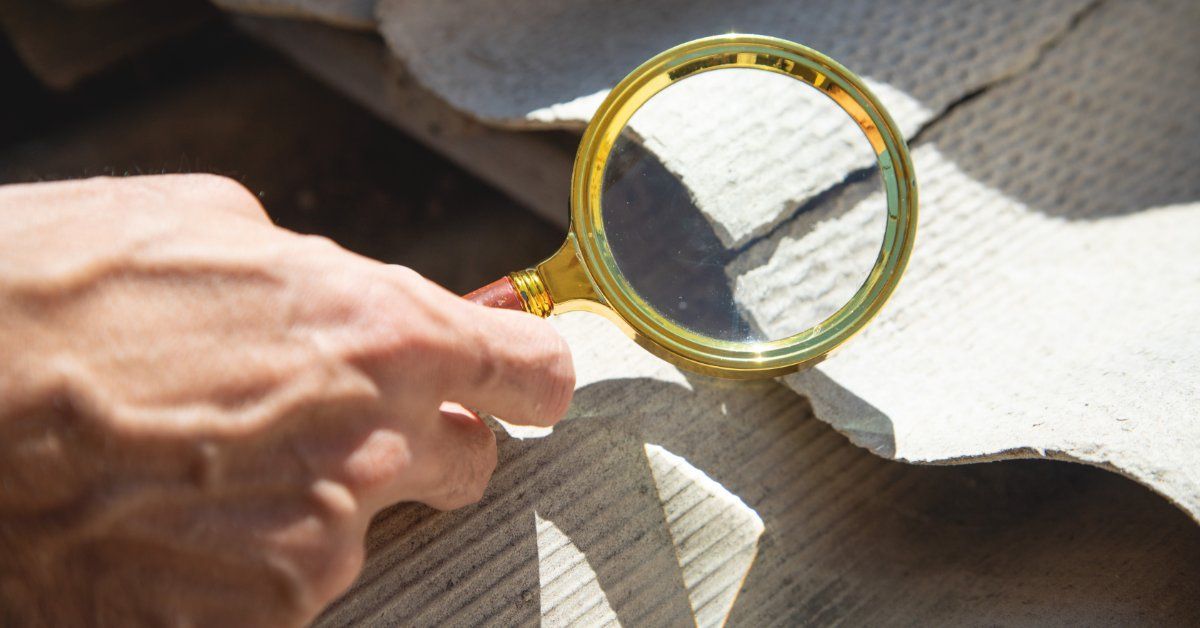
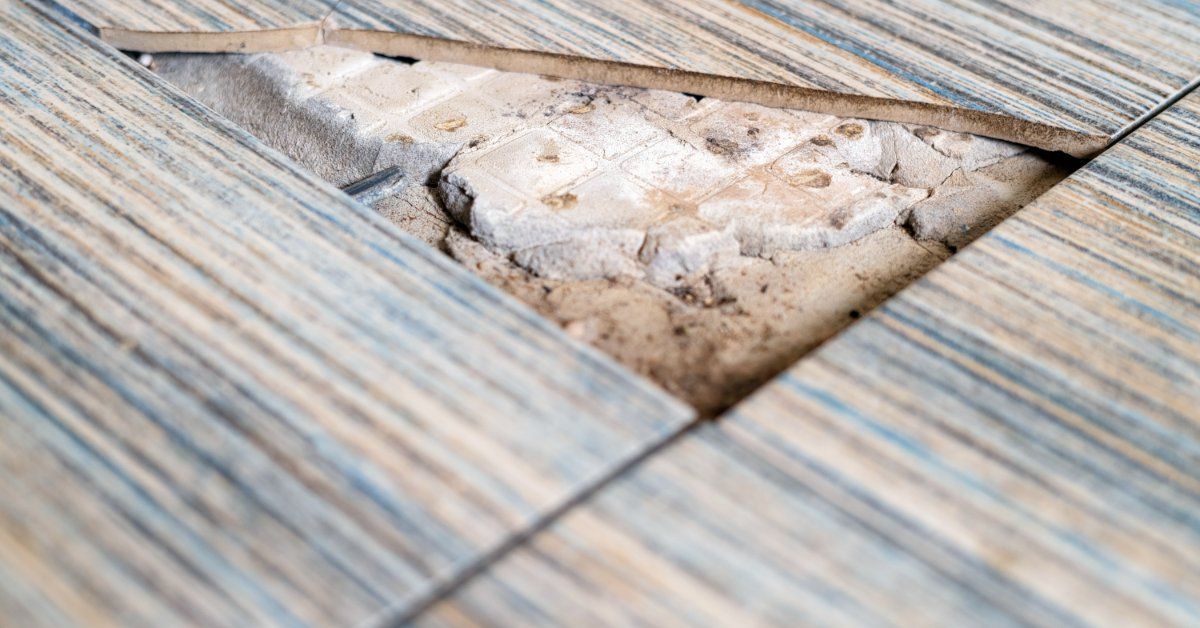
Many homes built before the 1980s may still contain asbestos, a dangerous material once used in insulation, flooring, and roofing products. Asbestos fibers can become airborne when disturbed, posing a significant risk when inhaled. Prolonged exposure can lead to severe illnesses, including lung cancer, mesothelioma, and asbestosis.
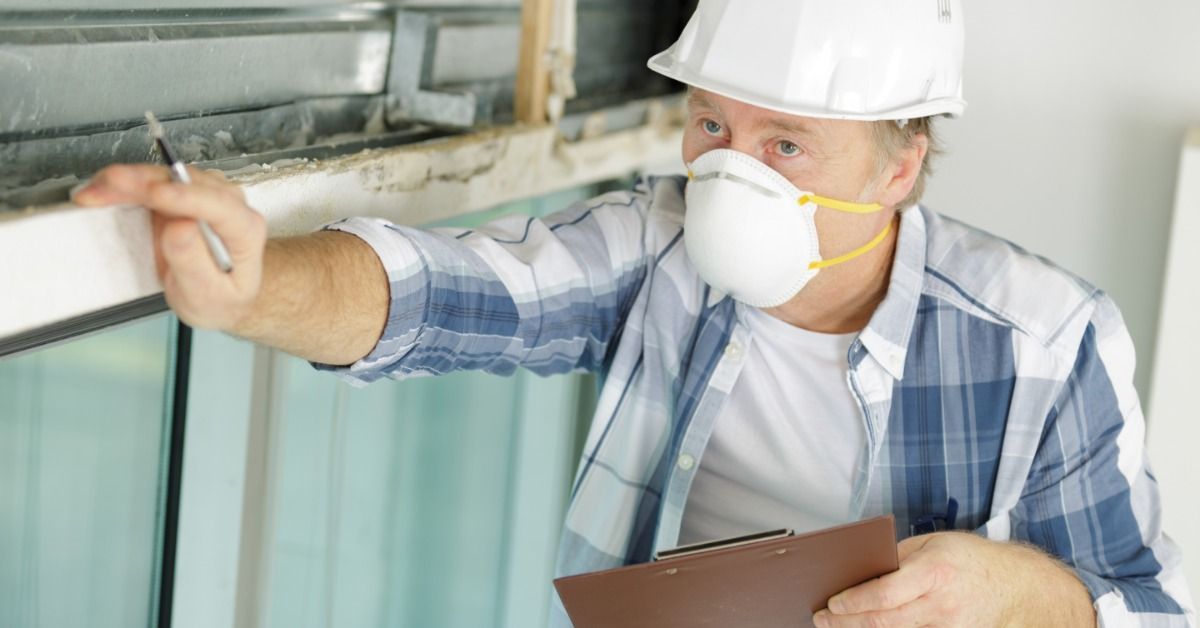
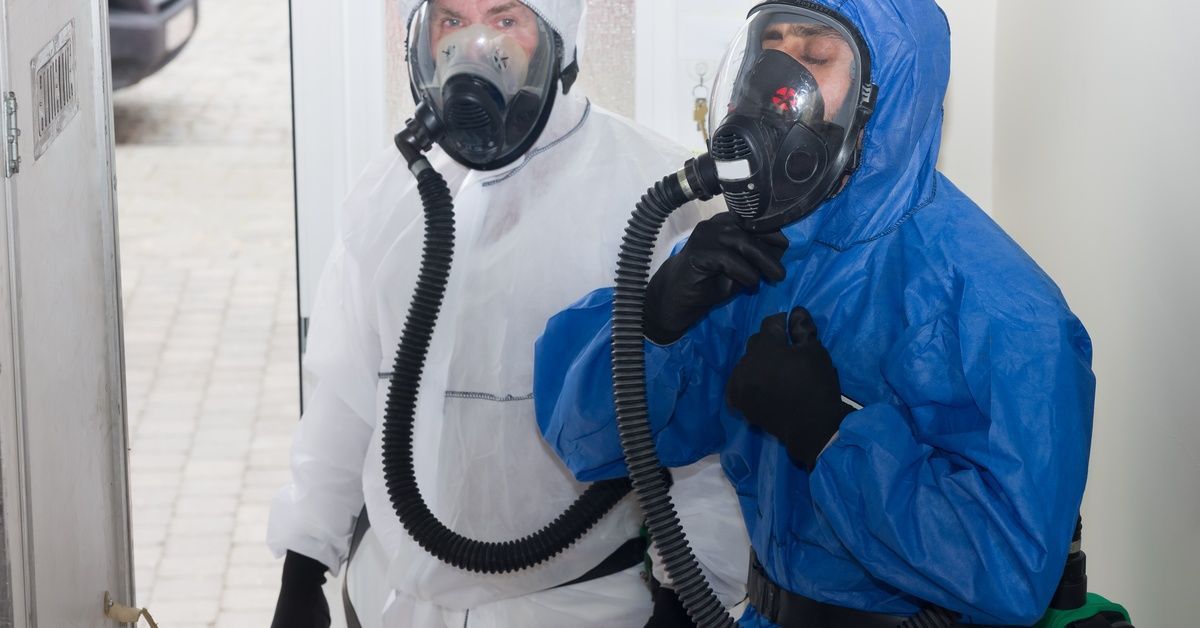
If your home contains asbestos, it’s essential to obtain a professional assessment and have a licensed professional remove it. Attempting to remove asbestos without proper precautions can make the situation worse.
3. Contaminated Indoor Air Quality
Dust, pet dander, volatile organic compounds (VOCs), and radon gas can negatively affect your home’s indoor air quality. Everyday products like cleaning supplies, paints, and adhesives emit VOCs, while radon—a naturally occurring gas—can seep into homes through cracks in the foundation.
Long-term exposure to poor air quality can cause chronic respiratory issues and even cancer. Investing in air purifiers, ensuring adequate ventilation, and testing for radon can improve your home's air quality and protect your family.
4. Vermiculite Insulation
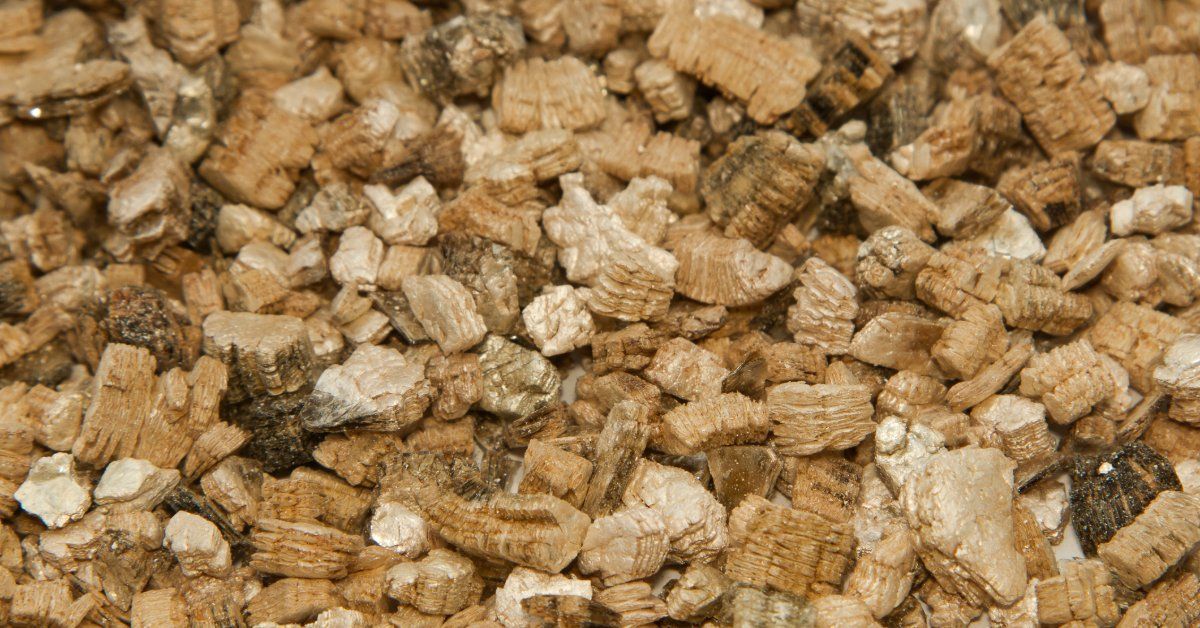
The construction industry commonly used vermiculite insulation in homes built before 1990. Unfortunately, much of this insulation contains asbestos, particularly the kind mined from Libby, Montana.
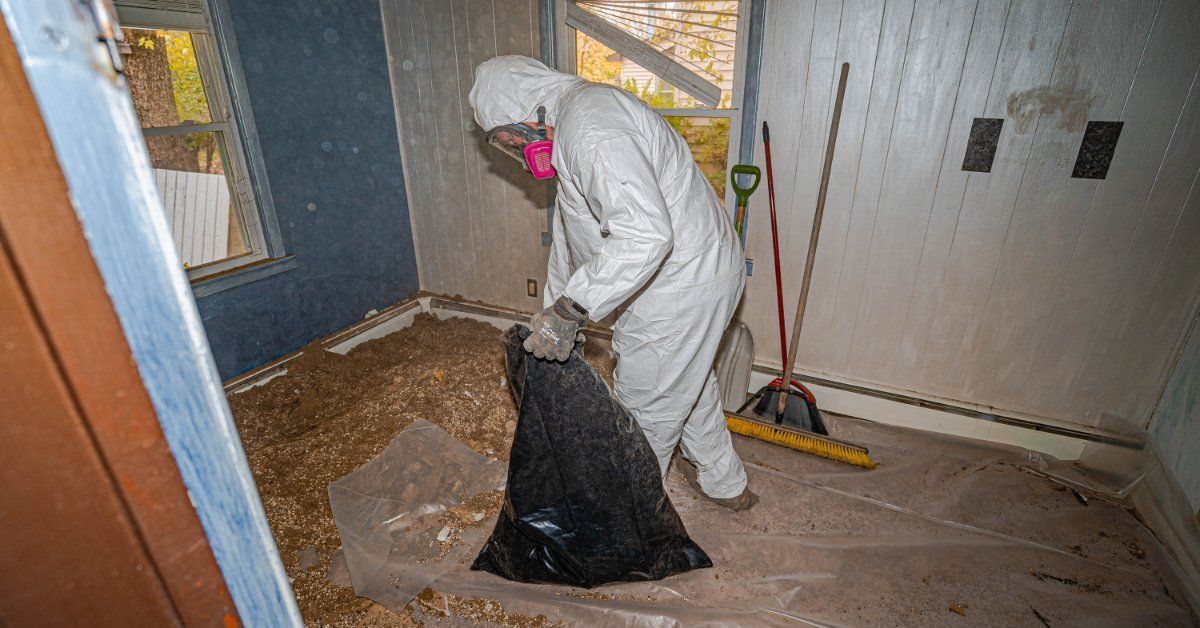
When disturbed, asbestos fibers in vermiculite insulation can become airborne, posing a serious health hazard. If your home has this type of insulation, professional vermiculite removal from Air Safe is the safest option to mitigate the risk. Avoid handling or disturbing the insulation yourself, as this increases the likelihood of exposure.
5. Pests and Allergens
Pests like rodents and cockroaches can carry allergens, bacteria, and diseases into your home. Their droppings and urine can exacerbate allergies and asthma, especially in children.
Dust mites, another common household allergen, thrive in bedding, carpets, and upholstered furniture. Keeping your home clean, sealing cracks where pests can enter, and using pest control measures will help you maintain a safe and healthy environment.
Knowing the five ways your home can make your family sick allows you to create a healthier living space. Take a proactive approach to addressing these issues by contacting Air Safe! We’ll help you address concerns like mold, asbestos, and vermiculite insulation and ensure your home supports your family’s health, not harms it.