Zonolite Attic Insulation: What Is It, and Is It Dangerous?
Many homeowners in Massachusetts discover older building materials during renovations or real estate inspections. One brand name that often surfaces in these discussions is Zonolite. You must know the facts before you disturb any loose-fill material in your attic. So, what is Zonolite attic insulation, and is it dangerous? This article will examine this common, yet potentially hazardous, material found in millions of American homes.
What Is Zonolite Insulation?
Zonolite is a trademarked brand of vermiculite insulation that looks like small, pebble-like nuggets. Builders and homeowners frequently installed it in attics between the 1920s through the 1990s because of its lightweight and fire-resistant properties. The mineral expands when heated, creating air pockets that serve as effective thermal barriers. While vermiculite itself acts as a safe mineral in its pure form, the source of the Zonolite brand complicates the safety profile.
The Danger: Asbestos Contamination
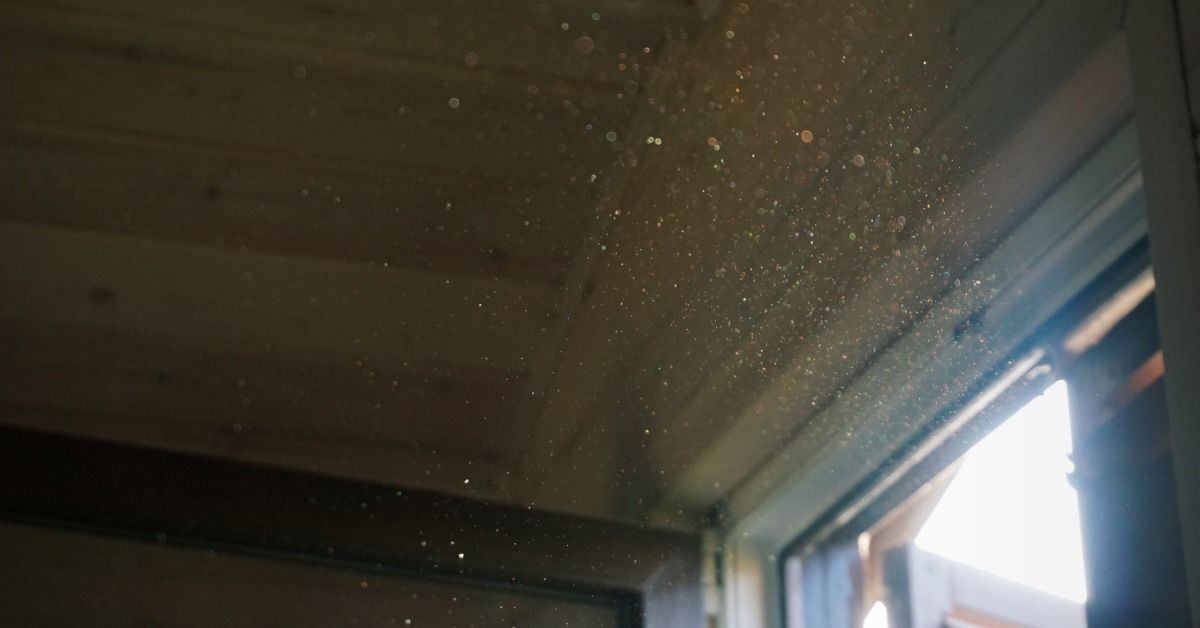
The primary danger lies not in the vermiculite itself, but in what contaminated it. The vast majority of Zonolite came from a mine in Libby, Montana. Unfortunately, a large deposit of tremolite asbestos naturally occurred alongside the vermiculite in this mountain. Consequently, the mining process contaminated the insulation product with asbestos fibers. When you disturb this insulation, it releases microscopic fibers into the air. Inhaling these fibers causes serious respiratory diseases, including lung cancer, asbestosis, and mesothelioma.
Identifying Zonolite in Your Home
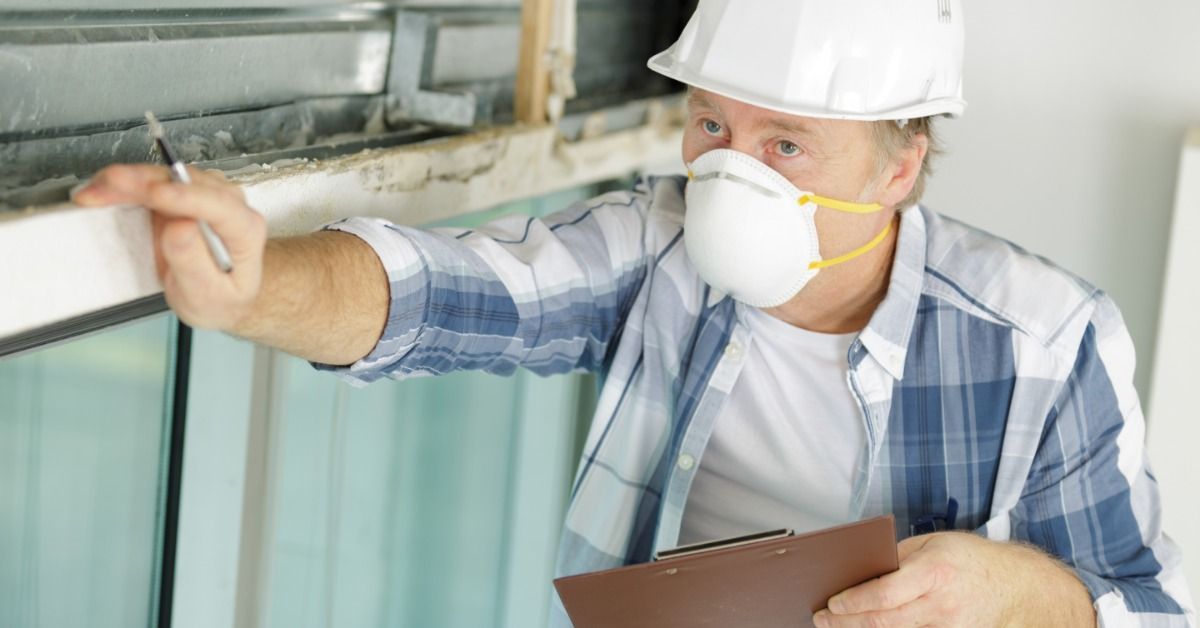
You can often identify Zonolite by a visual inspection, though you should never touch or disturb it. The material typically lies loose between floor joists rather than in rolls or batts. Look for these characteristics:
- A texture resembling popcorn or small gravel
- Colors ranging from silver-gold to gray-brown
- A shiny or glimmery appearance due to mica content
- An accordion-like texture in some particles
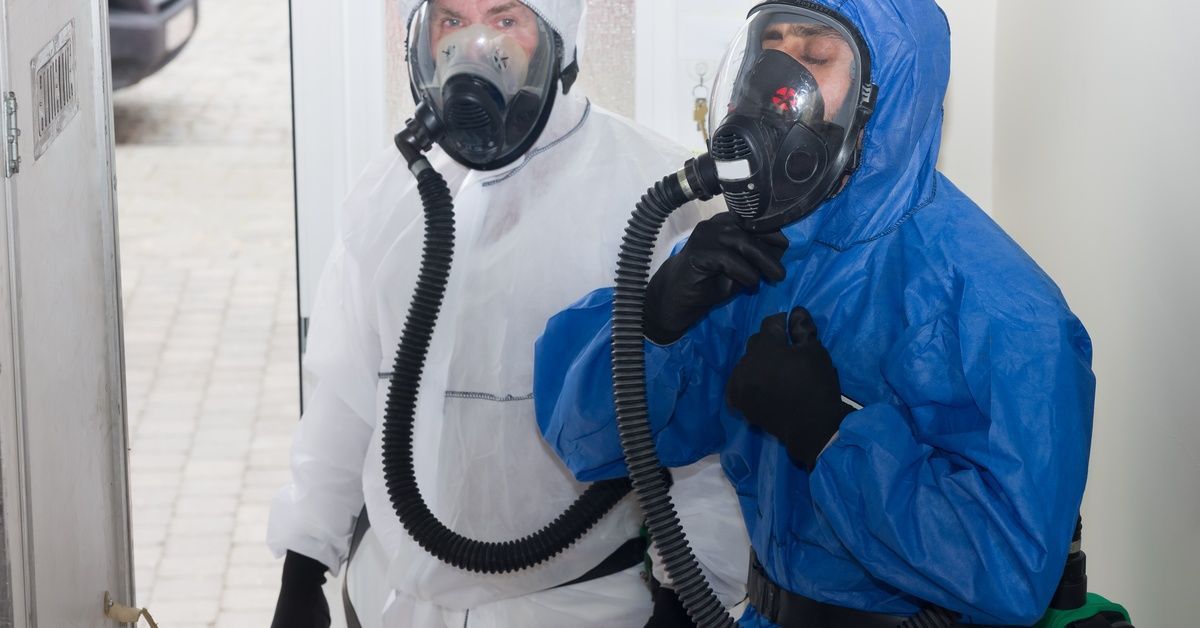
Professional Abatement Is Essential
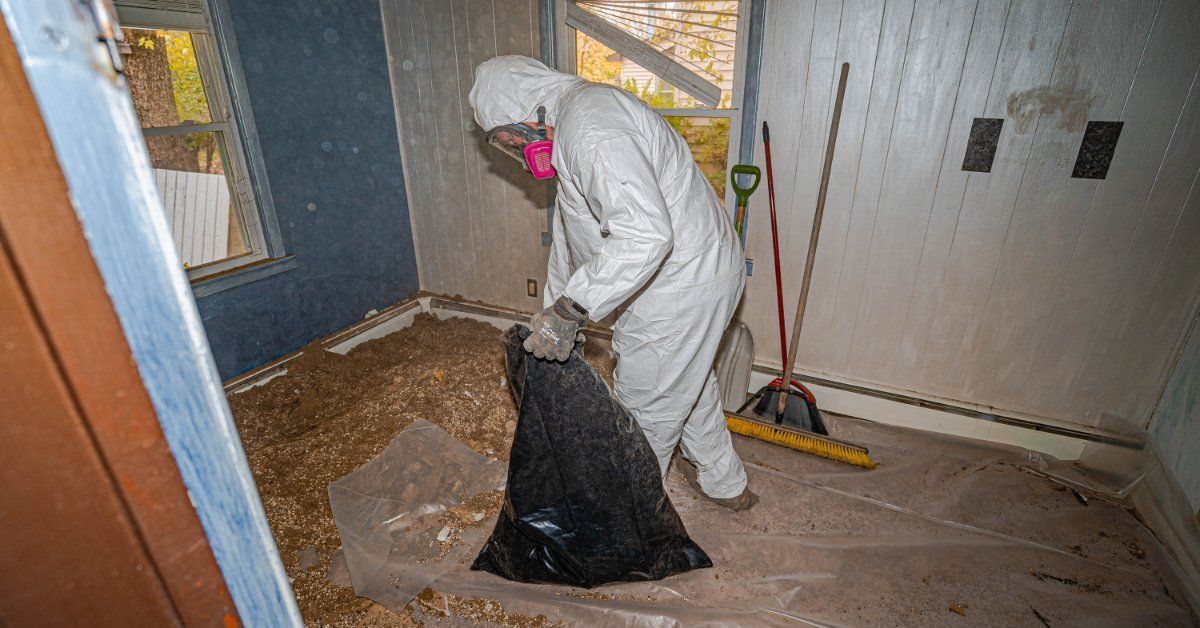
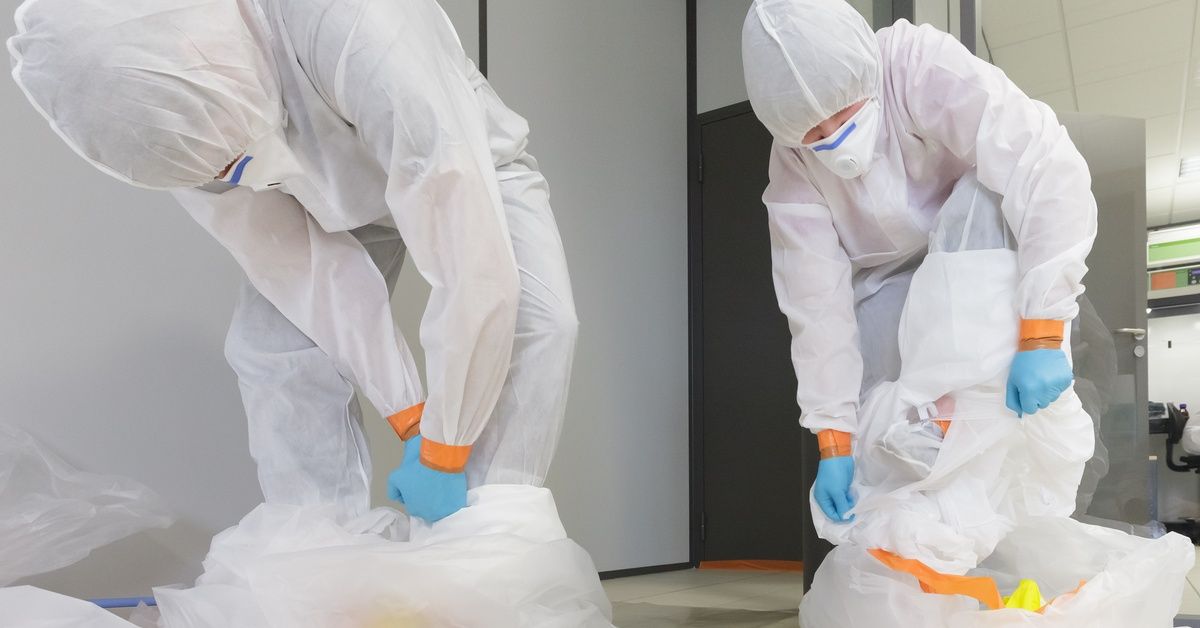
Disturbing even a small amount of this material can contaminate an entire home with airborne asbestos fibers. Therefore, professional intervention is the only safe option. State-licensed experts utilize specialized equipment and containment procedures to ensure safety. Vermiculite removal requires strict adherence to federal and state regulations to protect the building’s occupants. Do not attempt to sample or remove this material yourself.
Prioritize Safety for Your Home
Prioritizing safety protects your family and your property value. Contact a certified professional like Air Safe immediately if you suspect your attic contains this material. Zonolite attic insulation is dangerous, and it requires swift, decisive action from qualified experts who understand the regulatory landscape.
Air Safe understands these dangers and acts swiftly and safely to contain and remove this asbestos-harboring insulation. If you think your home contains Zonolite, contact us today for a free estimate.