Professional Safety Tips for Testing Your Popcorn Ceiling
Many homeowners look up at an older popcorn ceiling and wonder what might be hiding inside it. Texture materials installed before the 1980s sometimes contained asbestos, which raises important health concerns during renovations or repairs. Before you disturb the surface, it's important to understand the risks and take the right precautions. These tips can help you test your popcorn ceiling with a better understanding of what professionals look for and why safety comes first.
Start With Minimal Disturbance
The safest approach involves limiting contact with the ceiling until testing takes place. Every unnecessary disturbance increases the chance of releasing dust into living spaces. Consequently, homeowners should avoid scraping or cutting into the texture while waiting for test results.
Professional sampling procedures focus on collecting material while reducing airborne particles. Many homeowners choose accredited testing services because trained technicians follow established protocols.
Protective Measures During Testing
Whenever sampling occurs, proper preparation helps reduce potential exposure. Testing should take place in a controlled area where foot traffic is limited. Additionally, household members and pets should remain away from the immediate workspace until cleanup is complete.
Several precautions deserve attention before collecting a sample:
• Turn off fans and HVAC systems to reduce air movement
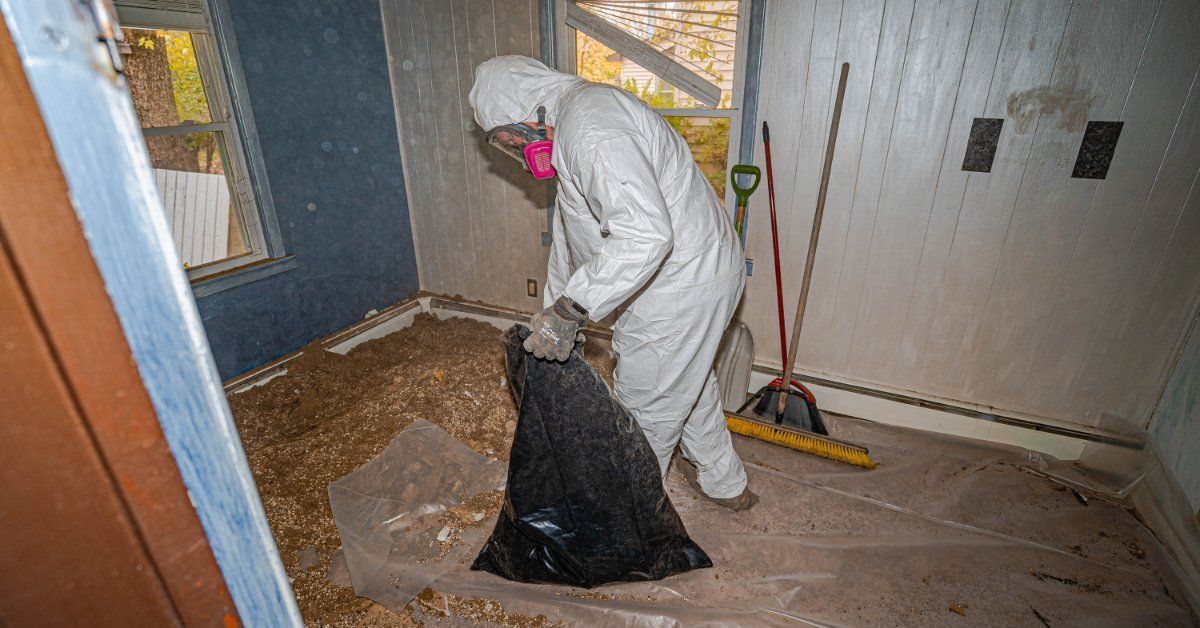
• Place protective coverings beneath the sampling area
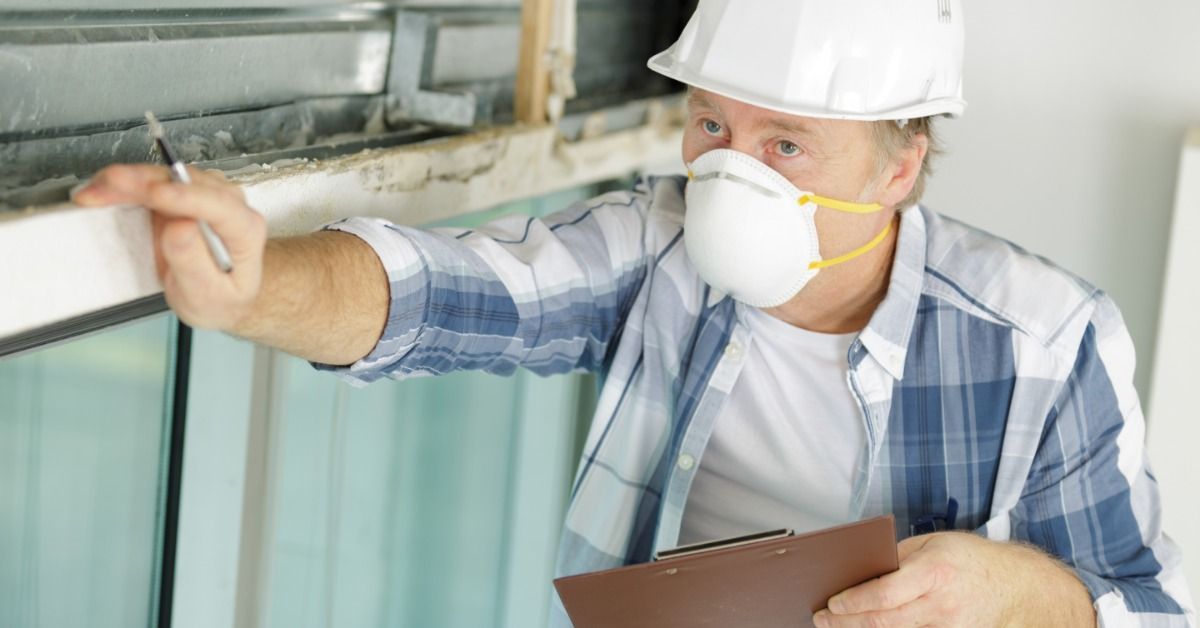
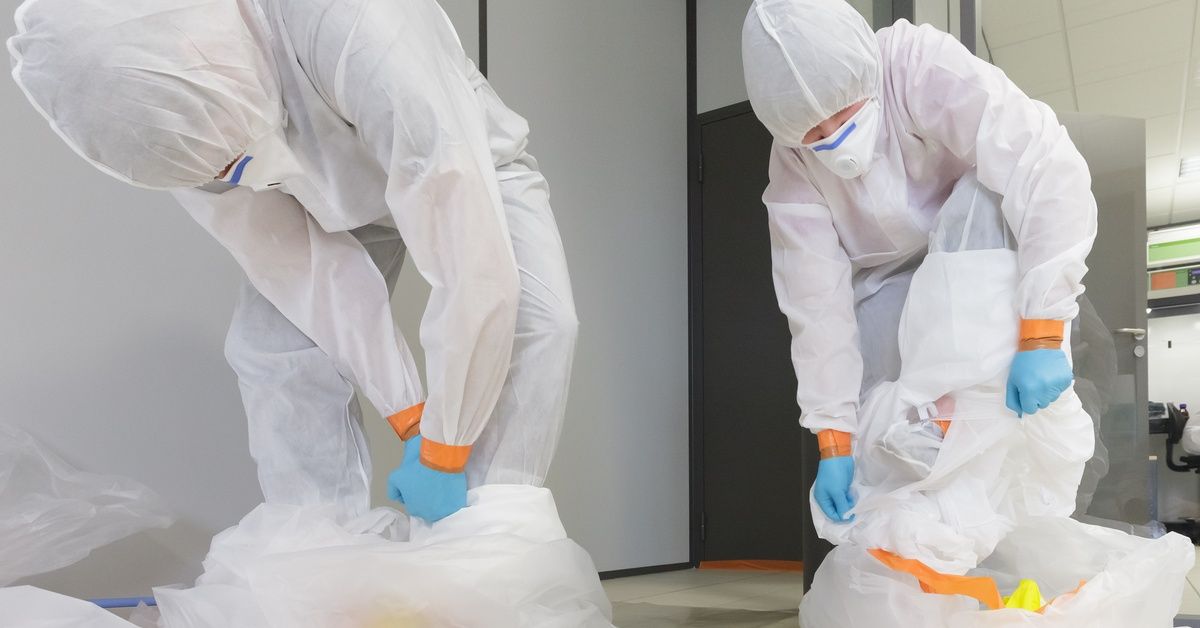
• Wear appropriate respiratory protection approved for hazardous dust
• Use careful techniques that limit debris generation
• Clean the area thoroughly after the sample is collected
Understand Test Results
Laboratories analyze ceiling samples to determine whether asbestos fibers exist within the material. Once results arrive, homeowners gain a clearer picture of their situation. Positive findings don’t automatically mean immediate removal becomes necessary.
In some cases, materials remain in good condition and pose little risk when left undisturbed. However, renovation plans frequently change the equation because construction activities may damage the material. Therefore, professional guidance helps homeowners evaluate practical options based on the condition and location of the ceiling.
When Professional Help Makes Sense
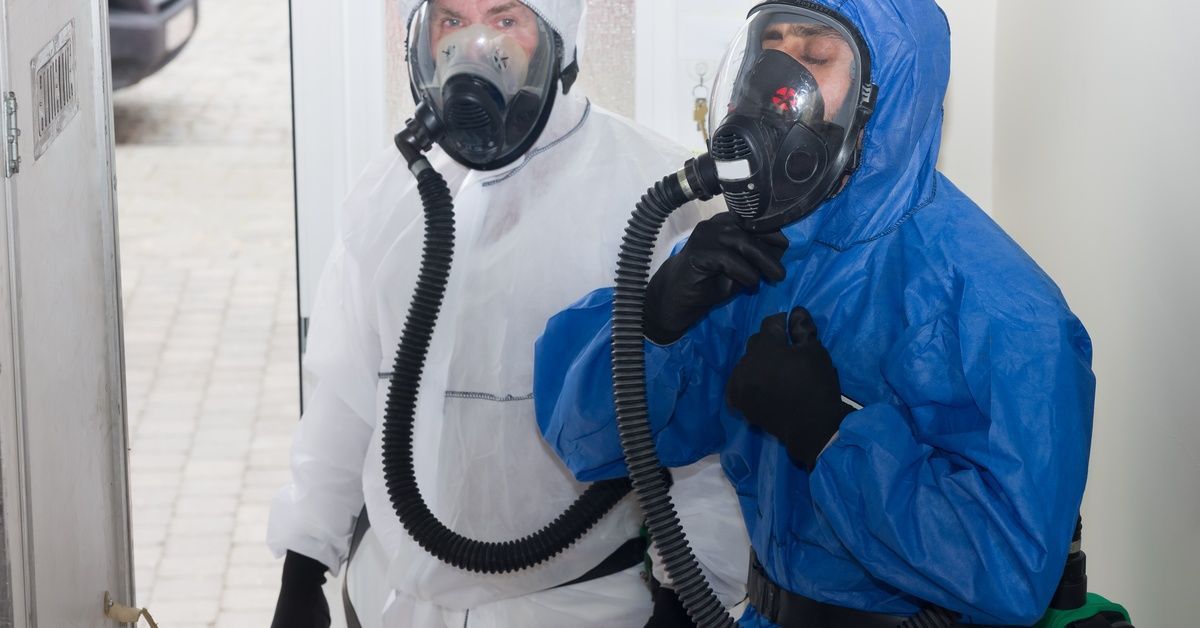
Many people hear the phrase asbestos abatement but aren't fully familiar with its meaning. The term refers to specialized procedures that contain or remove asbestos-containing materials while protecting occupants and workers. Licensed professionals follow strict requirements for handling and disposal.
After receiving positive test results, homeowners benefit from discussing their options with qualified experts. During remodeling projects, professional assessments provide clarity about the safest path forward. Moreover, experienced contractors understand local regulations and appropriate work practices.
As you evaluate next steps, remember that safety begins long before any ceiling texture comes down. Reliable testing provides valuable information and helps prevent unnecessary exposure. Likewise, following our professional safety tips when you test your popcorn ceiling will help inform decisions about your home. If questions remain about testing, removal, or renovation planning, Air Safe Inc. can provide guidance based on decades of experience. Contact our team today to discuss your concerns and request additional information.