Safety Protocols During Commercial Asbestos Removal
Handling asbestos requires strict safety measures, especially in a commercial setting where the scale of work and potential for exposure increase. Following established safety protocols is essential to comply with regulations and protect workers and the public from serious health risks. Adherence to these safety protocols during commercial asbestos removal ensures a safe, controlled environment during the removal process.
Site Preparation and Containment
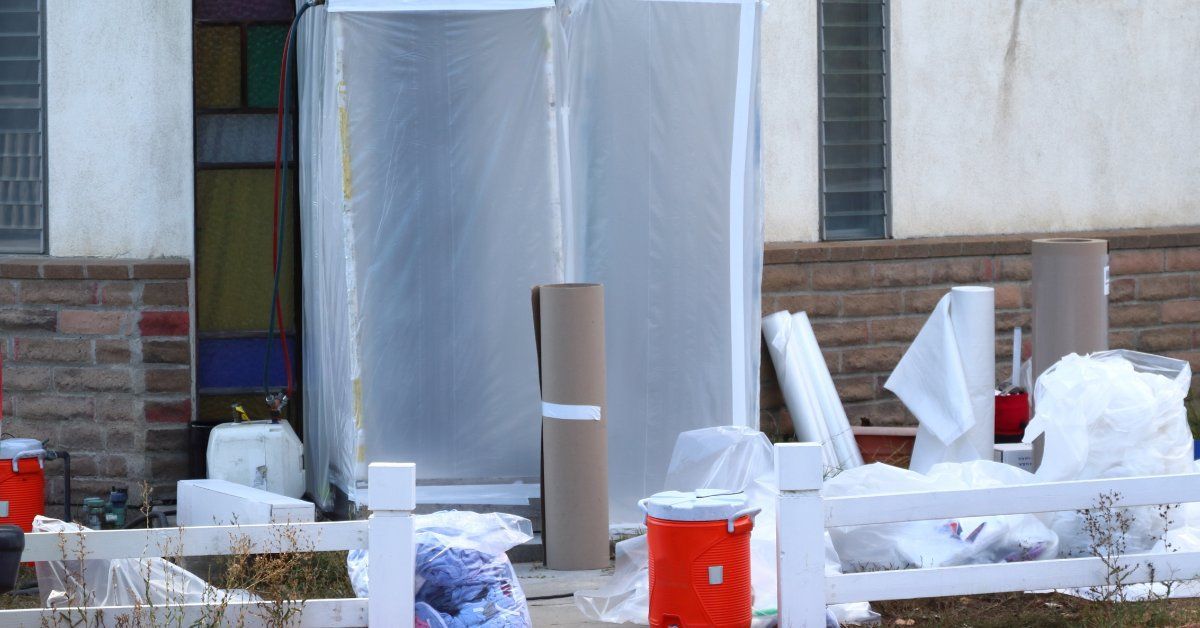
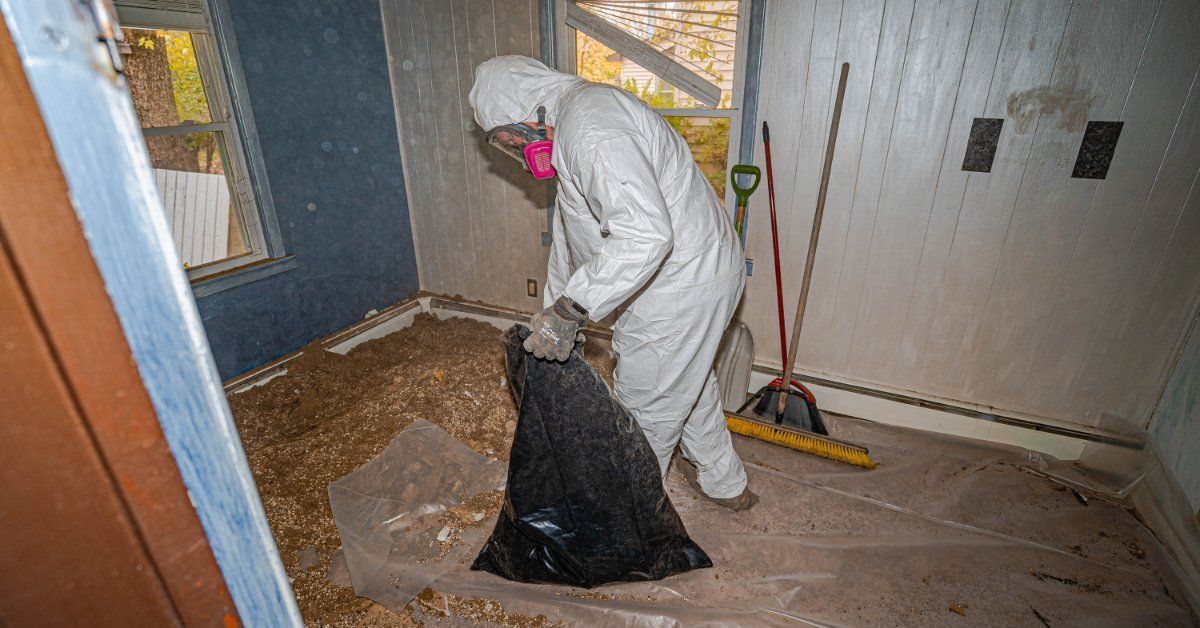
Before removal begins, trained professionals establish a regulated work area. They use heavy-duty plastic sheeting and negative air pressure machines to create a sealed containment zone. This prevents asbestos fibers from escaping and contaminating adjacent areas. They also post warning signs at all entry points to alert others of the hazardous work in progress. This initial step is fundamental to isolating the risk and ensuring the safety of everyone outside the immediate work zone.
Personal Protective Equipment
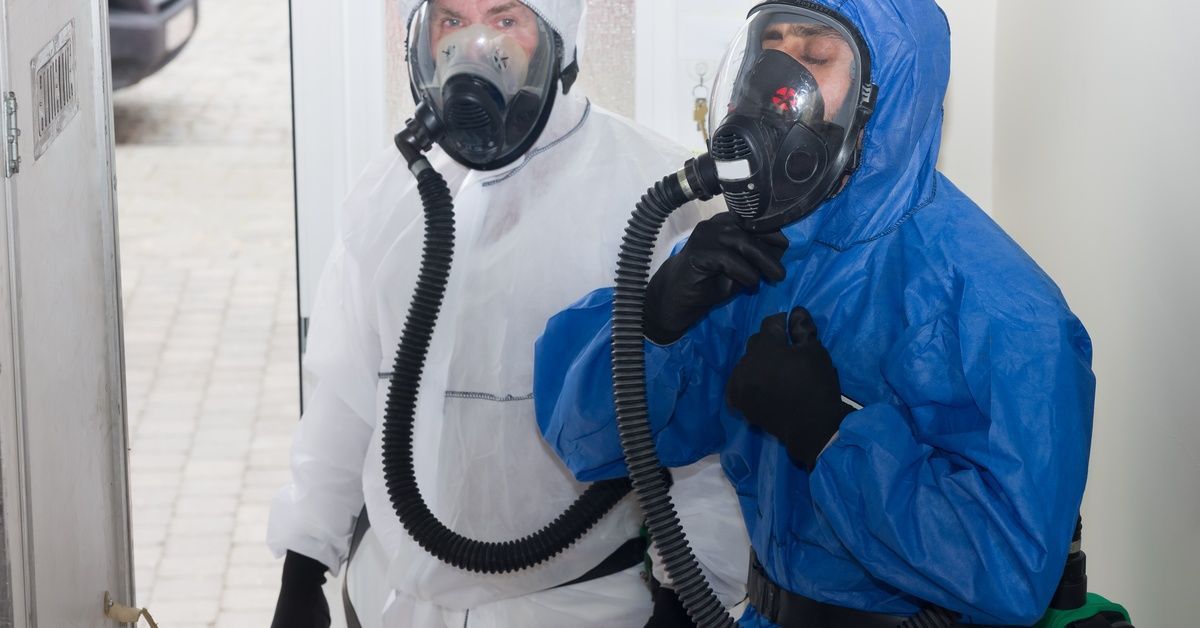
Workers inside the containment area must wear personal protective equipment (PPE) to prevent inhalation or contact with asbestos fibers. This mandatory gear includes the following:
- Full-body disposable coveralls
- HEPA-filter respirators
- Gloves
- Eye protection
This equipment creates a barrier between the worker and the hazardous material. Correctly using and decontaminating or disposing of PPE after each shift is a critical part of the safety process.
Safe Removal and Handling Techniques
Technicians use specialized methods to minimize the release of asbestos fibers during removal. They wet the asbestos-containing materials with a wetting agent, which suppresses dust and keeps fibers from becoming airborne. Workers use hand tools instead of power tools whenever possible to further reduce dust creation. Once they’ve removed the asbestos, they carefully seal the waste in leak-tight containers or bags and label them clearly as hazardous materials before transporting them for proper disposal.
Decontamination Procedures
Upon completing the removal work, professionals begin a thorough decontamination process. They meticulously clean all surfaces within the contained area using HEPA vacuums and wet-wiping methods. Air monitoring must confirm that the fiber concentration is below the permissible exposure limit before they take down the containment barriers. These final checks verify that the area is safe for reoccupation.
Your Partner in Asbestos Safety
Following safety protocols during asbestos removal is a complex task that demands expertise and strict adherence to standards. If you suspect your property contains asbestos, you need a certified asbestos removal company. Contact Air Safe today for a comprehensive evaluation. We’ll handle the removal process with the highest level of care and safety.