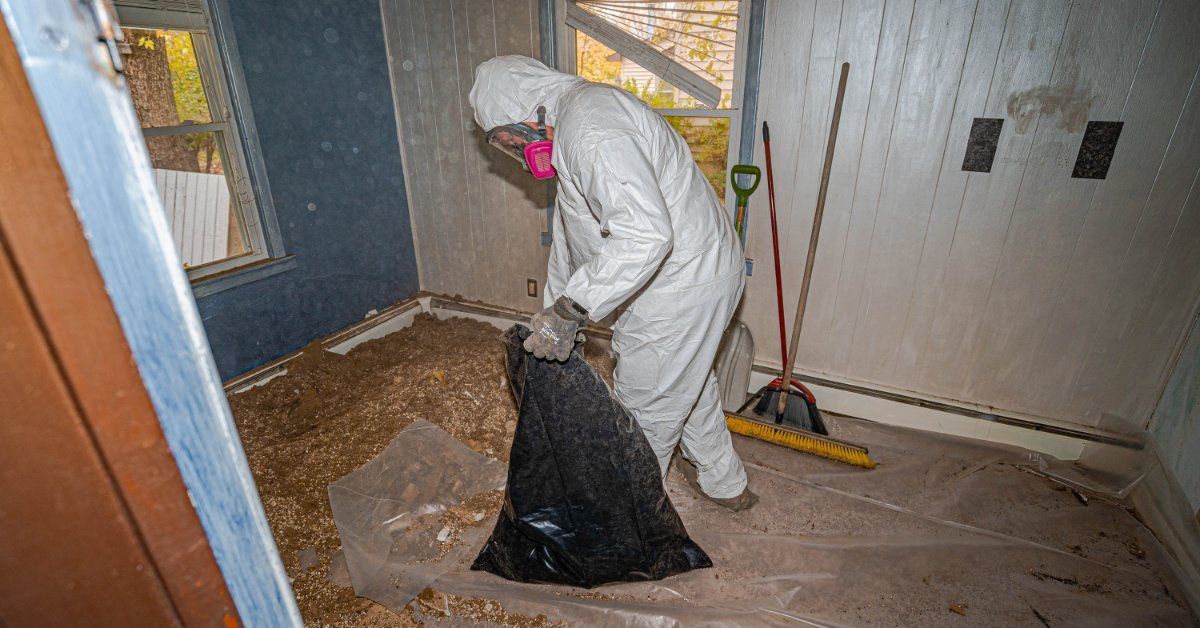
5 Jobs With the Highest Risk of Asbestos Exposure
Asbestos exposure remains a critical concern in various industries, leading to serious health risks, including mesothelioma and other respiratory diseases. Acknowledging the jobs with the highest risk of asbestos exposure is essential for workers and employers. Here are five jobs where workers most frequently deal with asbestos exposure.
1. Construction Workers
Construction workers are among the most at risk for asbestos exposure. Older buildings often contain asbestos materials, including insulation, flooring, and roofing.
When construction workers renovate or demolish these structures, they may inadvertently disturb asbestos fibers, releasing them into the air. Proper safety protocols and protective gear are crucial to minimize exposure during these high-risk activities.
2. Shipyard Workers
Shipyard workers face significant asbestos exposure due to asbestos in shipbuilding materials. Insulation and various shipping components often contained asbestos until the late 20th century.
Workers who handle these materials or perform maintenance on older vessels are at an elevated risk for exposure to asbestos. Regular health screenings and protective equipment can help mitigate these risks.
3. Mechanical Workers
Mechanical workers, including those in automotive and industrial settings, often encounter asbestos-containing materials. Brake pads, clutches, and gaskets historically contained asbestos due to its heat resistance and durability.
Even though most manufacturers have phased out asbestos use, older equipment still poses a risk. Workers in these fields must remain vigilant and utilize proper safety measures to prevent exposure.
4. Insulation Installers
Insulation installers work directly with materials that may contain asbestos, especially in older homes and buildings. Before the 1970s, manufacturers often used asbestos in insulation production because of its fire-retardant properties.
When installers cut, remove, or repair insulation, they can release hazardous asbestos fibers into the air. Comprehensive training on safe handling practices and using personal protective equipment (PPE) are essential for these workers.
5. Demolition Workers
Demolition workers often deal with structures containing asbestos, putting them at high risk for exposure. During demolition, asbestos fibers can become airborne if workers fail to take proper precautions.
Demolition teams must conduct thorough inspections and use asbestos abatement techniques to minimize risks. Moreover, compliance with regulatory guidelines and safety protocols is crucial in protecting workers.
Knowing more about the jobs with the highest risk of asbestos exposure is vital for protecting workers and maintaining workplace safety. Construction workers, shipyard workers, mechanical workers, insulation installers, and demolition workers face significant risks in their line of work.
Implementing rigorous safety protocols and prioritizing training can help mitigate these dangers. Additionally, professional assistance is essential to establish a safe working environment when dealing with asbestos in existing structures. Contact Air Safe today for asbestos removal in MA, and our team will help you work toward eliminating the risks associated with asbestos exposure.