What Is Actinolite Asbestos and Where Is It Found?
Actinolite asbestos is one of the less common but equally dangerous forms of asbestos. Known for its fibrous texture, actinolite belongs to the amphibole group of asbestos minerals.
This type of asbestos, often found in natural deposits, can pose serious health risks when disturbed or airborne. Understanding what actinolite asbestos is and where it is found can help homeowners stay vigilant about potential asbestos exposure.
Understanding Actinolite Asbestos
Actinolite asbestos is a naturally occurring mineral often found in metamorphic rocks. While it doesn’t have the same level of industrial use as other forms of asbestos, its fibrous structure and durability made it valuable in certain construction materials.
Like other asbestos types, actinolite is heat-resistant and can strengthen materials. However, its fibers are dangerous when inhaled, leading to health issues like lung cancer, asbestosis, and mesothelioma.
Common Locations of Actinolite Asbestos in Homes
Actinolite asbestos is often present in construction materials used before the 1980s. Some common locations include:
- Roofing materials: You’ll sometimes find actinolite asbestos in old roofing shingles and tiles, particularly in older homes. Builders valued it for its durability and fire-resistant properties.
- Insulation: Certain types of insulation, including vermiculite, may contain traces of actinolite asbestos. Builders often used this insulation in attics and walls.
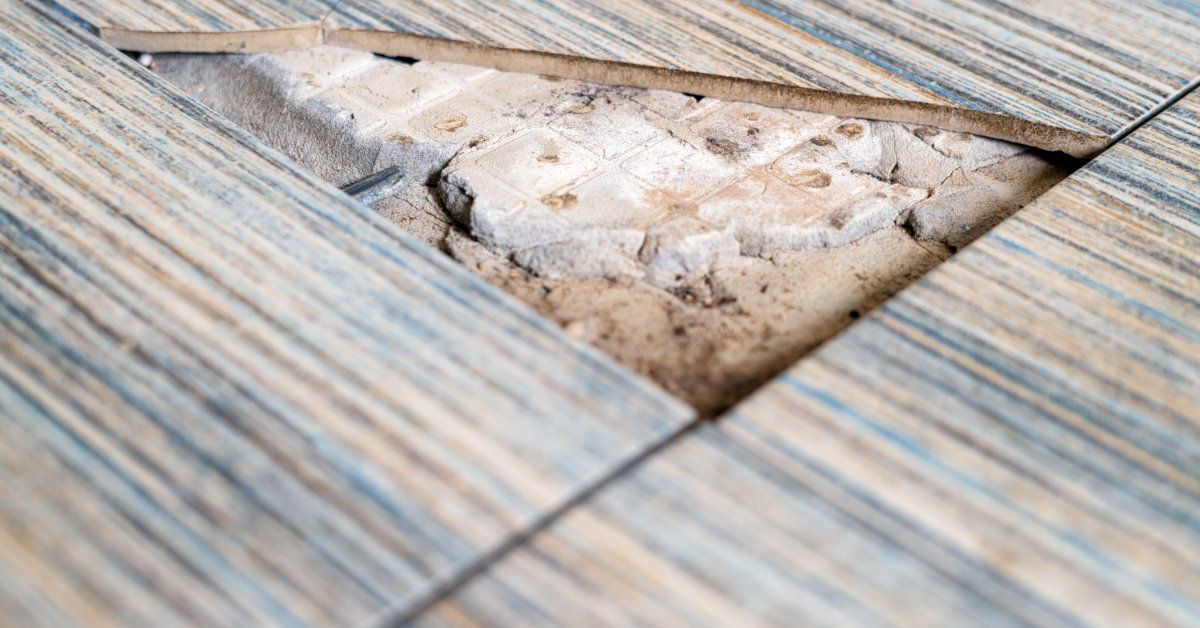
- Cement and plaster: Older cement and plaster products used in construction might contain actinolite asbestos to add strength and fire resistance.
- Textured paints and finishes: Some textured paints and wall coatings applied before asbestos regulations were put in place might contain actinolite asbestos.
Risks of Actinolite Asbestos Exposure
When intact and undisturbed, actinolite asbestos is relatively harmless. However, any disturbance—such as renovations, drilling, or demolition—can release fibers into the air.
Once inhaled, these fibers can remain in the lungs, leading to severe respiratory illnesses. Homeowners should exercise caution if they suspect asbestos in their property and avoid any actions that could disturb potential asbestos-containing materials.
Identifying and Testing for Actinolite Asbestos
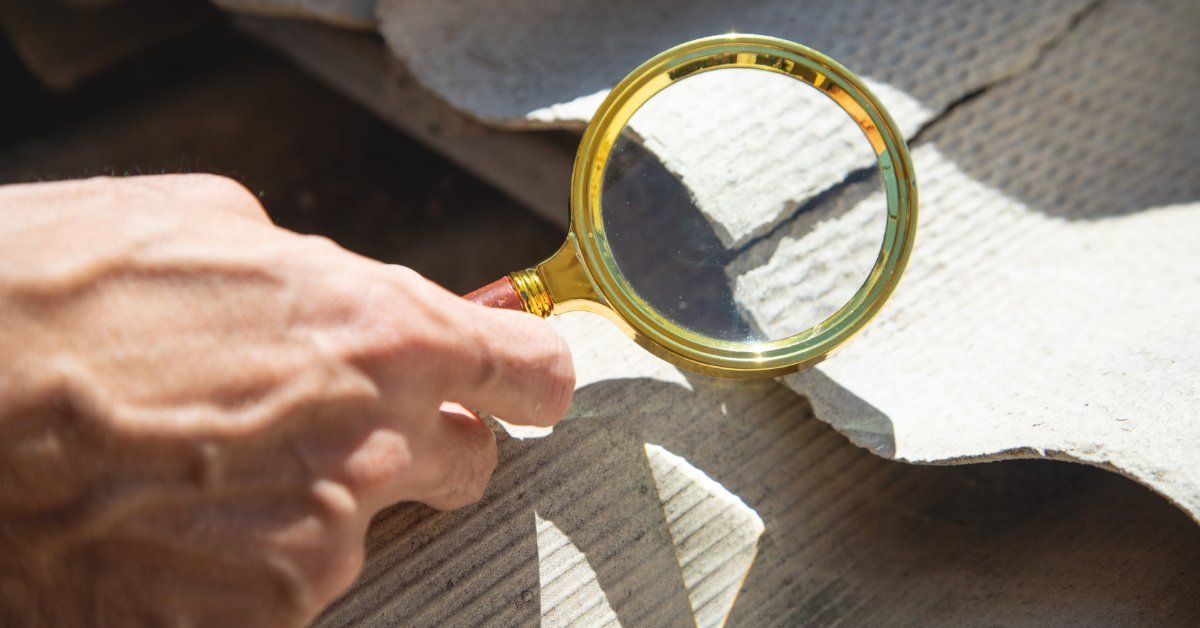
Identifying actinolite asbestos in your home requires specialized testing. Homeowners should consider professional asbestos testing services if they live in a home built before the 1980s, especially if they plan to remodel or renovate. Experts use microscopic analysis to detect asbestos in materials, ensuring that homeowners have a clear understanding of any asbestos risks present.
Safe Asbestos Removal and Professional Services
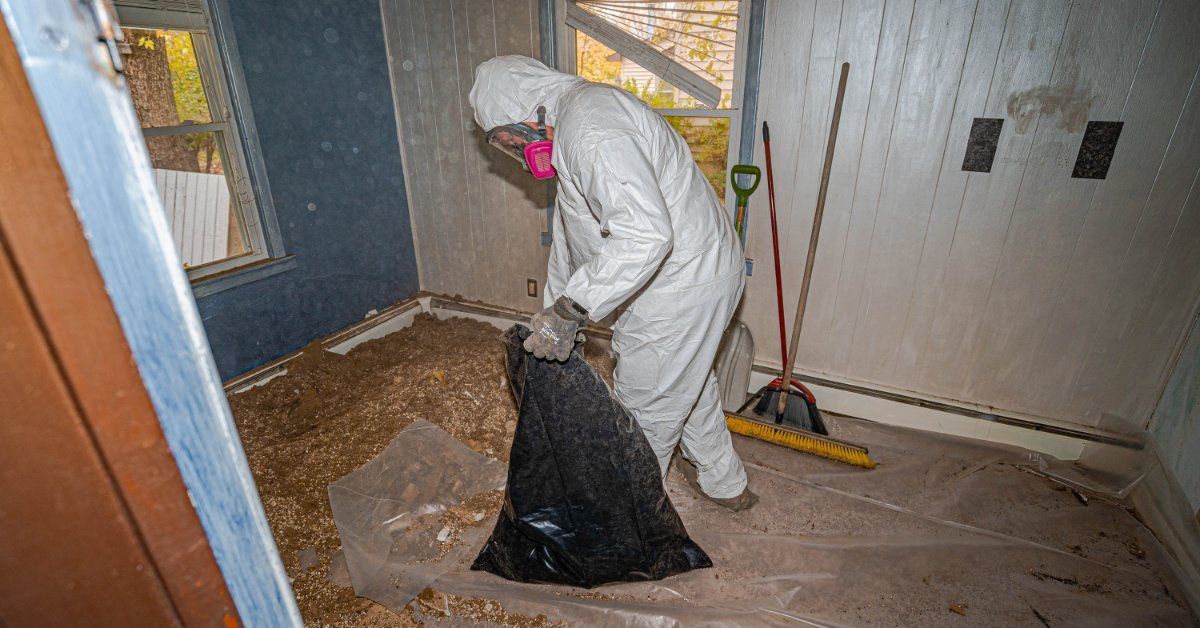
If you find asbestos in a home, professional removal is the safest approach. Certified asbestos removal specialists follow strict guidelines to safely remove and dispose of asbestos, minimizing health risks.
DIY removal isn’t recommended, as handling asbestos materials can expose individuals to dangerous fibers. Professional services also help ensure that the home meets all safety regulations and standards, providing homeowners with peace of mind.
Knowing what actinolite asbestos is and where it is found is beneficial for homeowners concerned about asbestos exposure. If you’ve discovered asbestos in your home, Air Safe offers professional services, including vermiculite insulation removal, to mitigate risks and ensure a safe living environment. Contact us today to learn more about our services.