How Dangerous Is Asbestos in the Water Supply?
While many people associate asbestos with building materials like insulation and flooring, some do not realize that asbestos can also affect the water supply. Understanding how asbestos enters our water systems and the potential health dangers it presents is essential for homeowners. Learn more about how dangerous asbestos is in the water supply and the steps you can take to protect your household.
What Is Asbestos and How Does It End Up in Water?
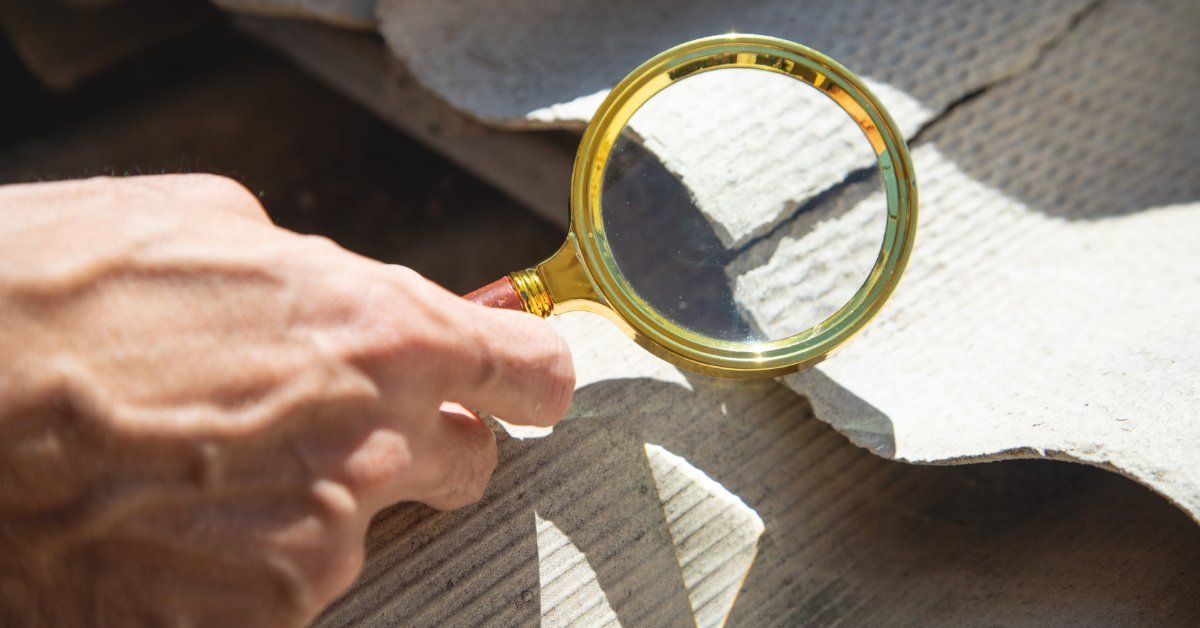
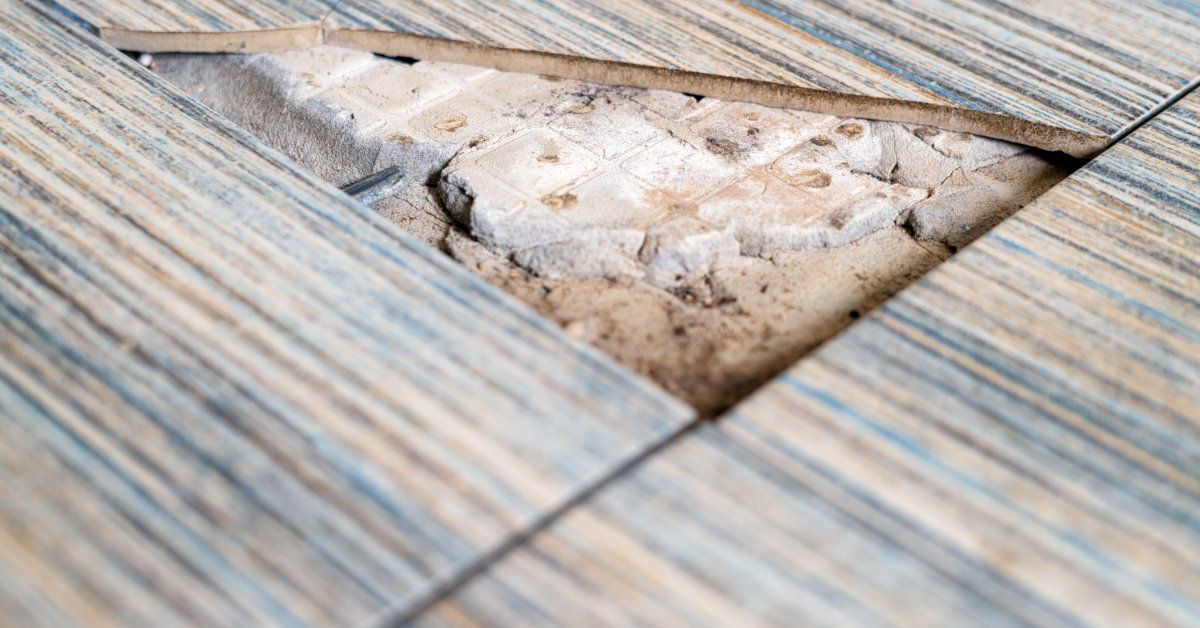
Asbestos is a group of minerals made up of tiny fibers that can easily become airborne and pose significant health risks when inhaled. In the past, builders used asbestos extensively in products like pipes, shingles, flooring, and insulation because of its heat resistance and durability.
In some cases, asbestos can enter the water supply through old asbestos-cement pipes. When these pipes break down or are disturbed during construction or maintenance work, asbestos fibers can discharge into the water.
How Does Asbestos in Water Affect Health?
Prolonged exposure to asbestos-contaminated drinking water can lead to serious medical conditions. The primary health risks of asbestos exposure are related to inhalation, but ingesting asbestos fibers can also cause gastrointestinal issues and increase the risk of certain cancers. These risks are higher for individuals exposed to high levels of asbestos over an extended period.
For most homeowners, the risk of asbestos exposure through drinking water is relatively low compared to inhalation risks. However, it’s still important to act promptly if you suspect you have a contaminated water supply.
How Do You Know if Your Water Contains Asbestos?
If your home was built before the 1980s, there is a chance that it may have asbestos-cement pipes. These pipes can degrade over time, especially when facing corrosion or physical damage. If you live in an older home, it’s advisable to contact a professional to inspect the plumbing system for signs of wear and tear.
You can also test your water for asbestos by contacting a certified laboratory. These labs can analyze your water samples and let you know if asbestos fibers are present.
How Can You Prevent Exposure to Asbestos in Water?
If a professional finds asbestos in your water supply, there are several steps you can take to protect yourself and your family. Replacing old asbestos-cement pipes with modern materials is the most effective way to prevent further contamination.
In the short term, you can use a water filtration system that removes asbestos fibers. These systems are available for both whole-house filtration and point-of-use filtration, such as under-sink filters.
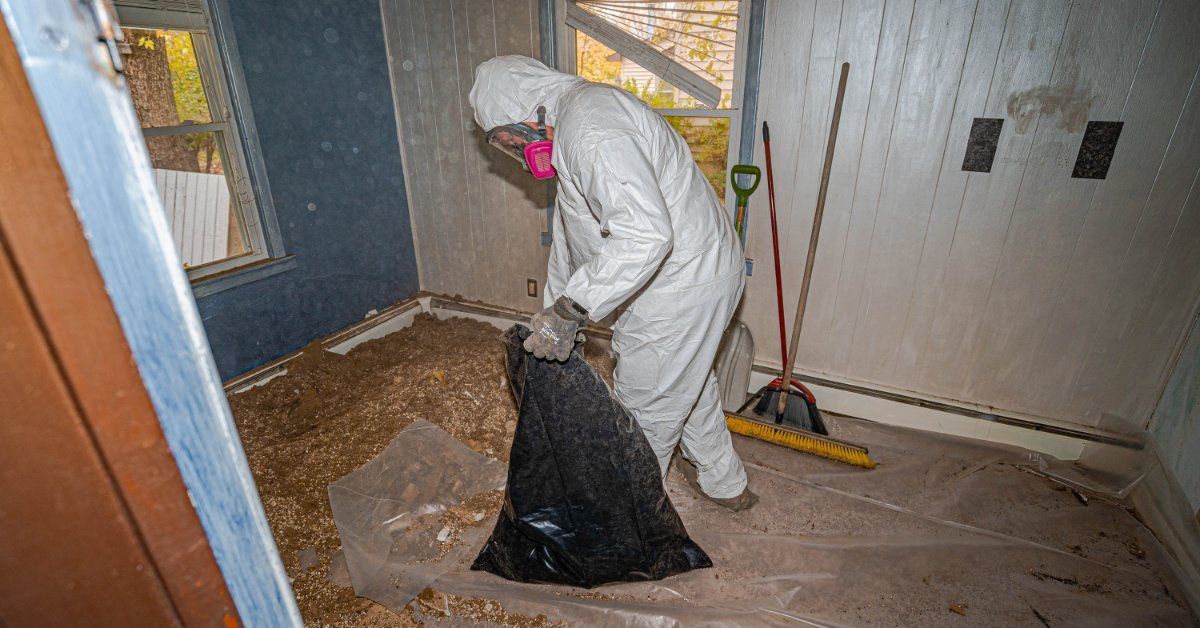
Additionally, you should proceed with caution during any renovation or construction projects that may disturb an older plumbing system. Work with professionals who have experience in asbestos abatement to ensure that the proper safety measures are in place during any repairs or replacements.
So, how dangerous is asbestos in the water supply? If left unchecked, it can pose significant risks to homeowners. If you suspect asbestos in your water, contact the professionals at Air Safe to help you determine the best course of action. We’ll assist you in protecting yourself and your family from the dangers of asbestos in the water supply.