What Does Asbestos Insulation Look Like? | AirSafe, Inc.
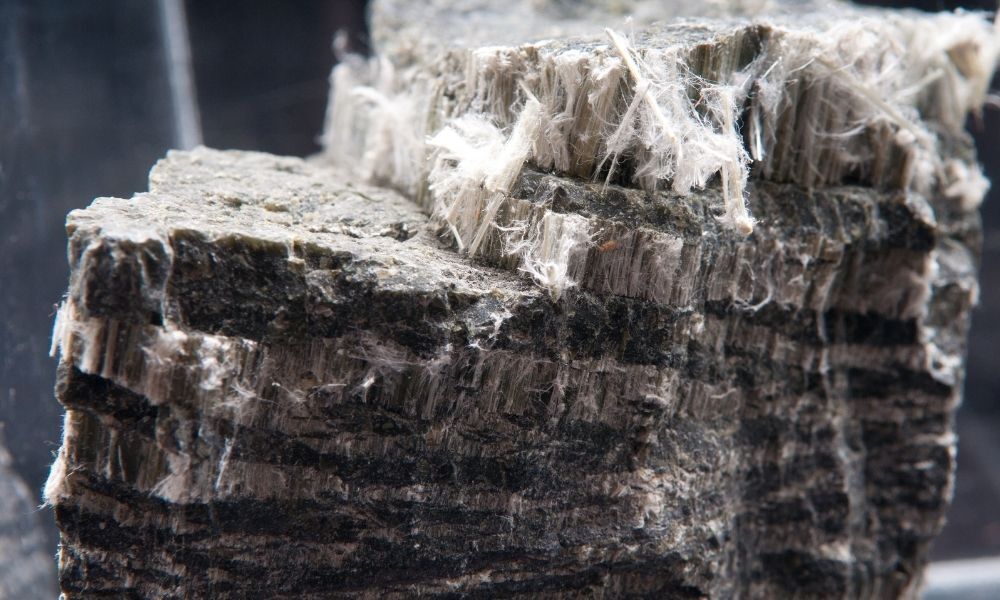
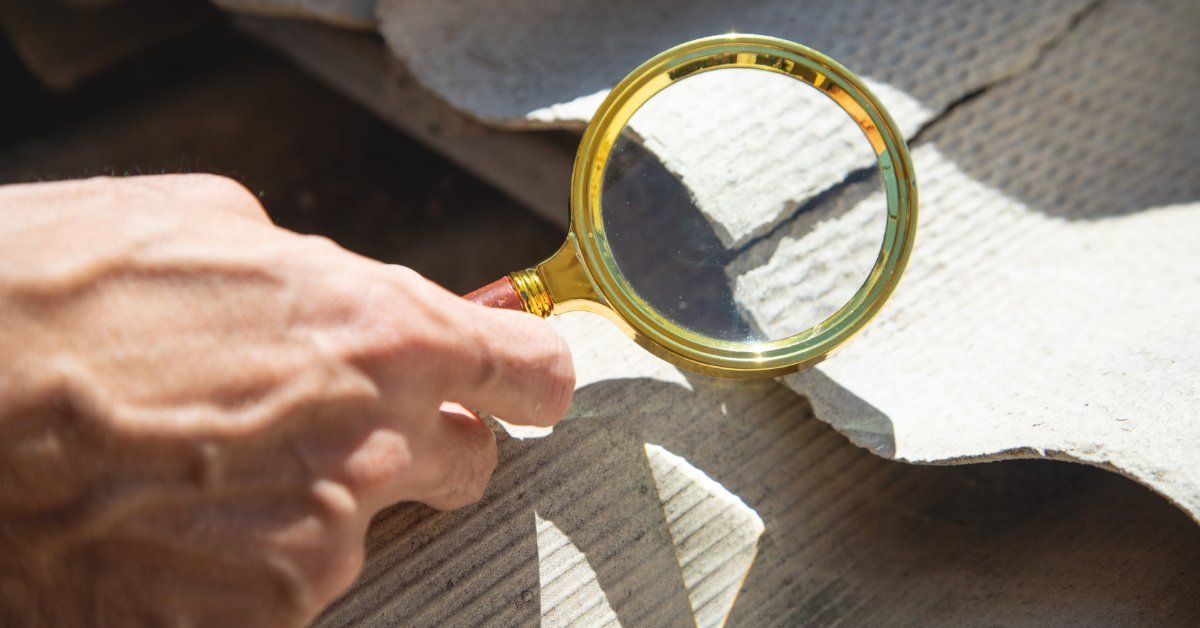
Over the years, asbestos has been in the news enough that we understand it’s dangerous and can even cause cancer. But would we know it if we saw it? Probably not. But it’s still present in many older buildings. It’s essential to recognize what asbestos insulation looks like and what steps to take if you come across it.
Benefits and Hazards
Before we realized the downside of asbestos insulation, the naturally occurring mineral seemed like a boon to construction. It was durable and highly resistant to heat and chemicals. Homeowners could worry less about out-of-control fires. So builders added it to new projects in the form of asbestos attic insulation, wall insulation, and the spray coatings around pipes and heating ducts.
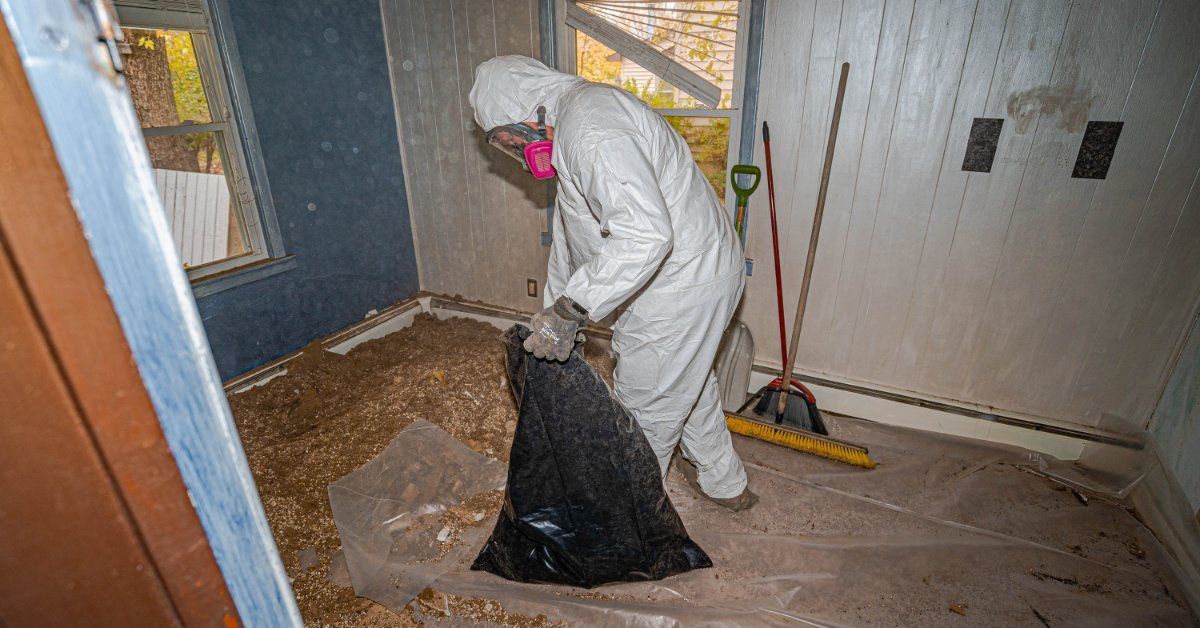
By 1970, the Environmental Protection Agency confirmed that asbestos was so harmful that miners and many others had contracted respiratory diseases and mesothelioma because of their exposure. Builders stopped using asbestos in new construction, but structures erected between the ’30s and ’80s might still contain asbestos in the walls. If you’re remodeling or poking around the attic, wear protective equipment and keep your distance from the insulation.
Insulation Containing Asbestos
Asbestos isn’t something you can smell, and if you’re around it, you don’t want to inhale anyway. Stirring it up loosens the fibers of the material. Once it’s in your system, it can do considerable damage over time. So, before you get too close, check for some of these telltale signs:
- Does the insulation look like popcorn or small pebbles? Are the particles goldish-silver or brown-gray? That could be vermiculite, a mineral that’s not necessarily dangerous. In fact, many people use it in gardens to aerate the soil. But back in the day, much of it was contaminated by a mine in Libby, Montana, so call a professional abatement company immediately.
- Do the particles have an accordion-style texture? That could be Zonolite, a product containing vermiculite that was in use for about 70 years. This insulation could also be silver/gold or brown/gray and could be lying flat against a joint cavity.
- Do your pipes have coverings? If these coverings resemble blankets or cardboard, there’s a chance that they could contain asbestos.
Your Next Steps
If you think you’ve stumbled upon something that looks like asbestos insulation, don’t get any closer. Even if you’re in a building that pre-dates 1985, it can’t hurt to consult a licensed professional with experience in testing for and disposing of asbestos.
For reliable and safe asbestos removal in Massachusetts, AirSafe, Inc. is a family-owned company that serves Greater Boston and the eastern part of the state. We have 30 years of experience and stay current with regulations. If you want to learn more about the asbestos wall insulation removal, contact us with any questions about your situation.