The Difference Between Perlite and Vermiculite
If you’ve heard of vermiculite, it might have been in a sentence with the word “asbestos.” But it’s not all bad. Learn about the difference between perlite and vermiculite in your garden, and why the latter doesn’t belong in your insulation.
Vermiculite is a mineral with some impressive qualities. One of its best: it can hold three or four times its volume in water. You can see how this is valuable if you want a green lawn or a thriving garden. But if you’ve stumbled across some ancient bags of it in the garage, don’t open them. They could be contaminated with asbestos.
Some Background on Vermiculite
Once upon a time, vermiculite was a popular choice for home insulation, and the majority of the world’s supply was mined in Libby, Montana. Then, in 1990, the mine was confirmed to contain asbestos as well. The town had unwittingly been inhaling fibers that led to respiratory diseases and cancer called mesothelioma. The mine closed and governments cracked down on regulations.
Now, vermiculite is safe and pure if you can ensure it was sourced in the United States. Gardeners love it as a soil additive on par with perlite. But what’s the difference between perlite and vermiculite? Each is useful, depending on the situation.
When To Use Perlite
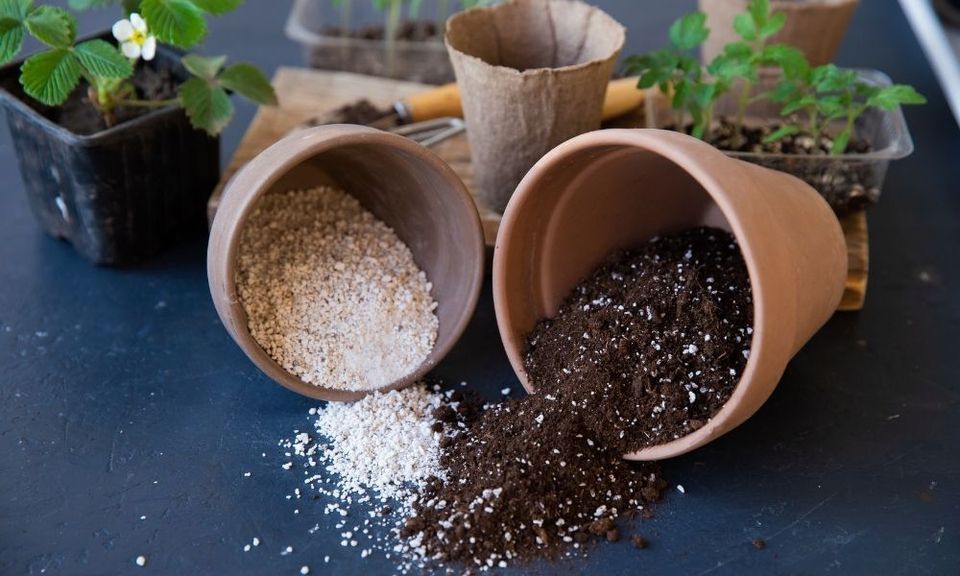
Perlite is an amorphous, volcanic glass that’s lightweight and porous, but still hard. It’s bright white and can hold water on its surface. When added to the soil, perlite’s porous surface can help circulate air. It also increases the humidity above the soil and around plants. It’s a great choice for gardeners when they’re:
- Starting cuttings
- Growing cacti and succulents
- Nurturing epiphytes such as orchids
- Using soil with heavy clay content
- Plants need to dry out between watering sessions
- Moving new seedlings to separate pots
When To Use Vermiculite
Vermiculite is soft and spongy, and it can absorb quadruple its volume in water. It’s a shade of brown and can keep the soil moist, retain nutrients, and guard against fungus. It’s the best choice for your garden when:
- Plants need a consistent level of moisture in the soil
- Growing mushrooms in a substrate
- Applied to your lawn for consistent moisture
- Using large containers
- Composting in heaps and bins
- Starting seeds in trays
Still hesitant to use vermiculite? Once you see what it can do for your garden, you’ll probably change your mind. Vermiculite and perlite can strategically keep your garden hydrated and healthy. To be safe, you can open bags of them outdoors while wearing a mask to avoid inhaling dust. Dampen the contents with water before mixing them into the soil.
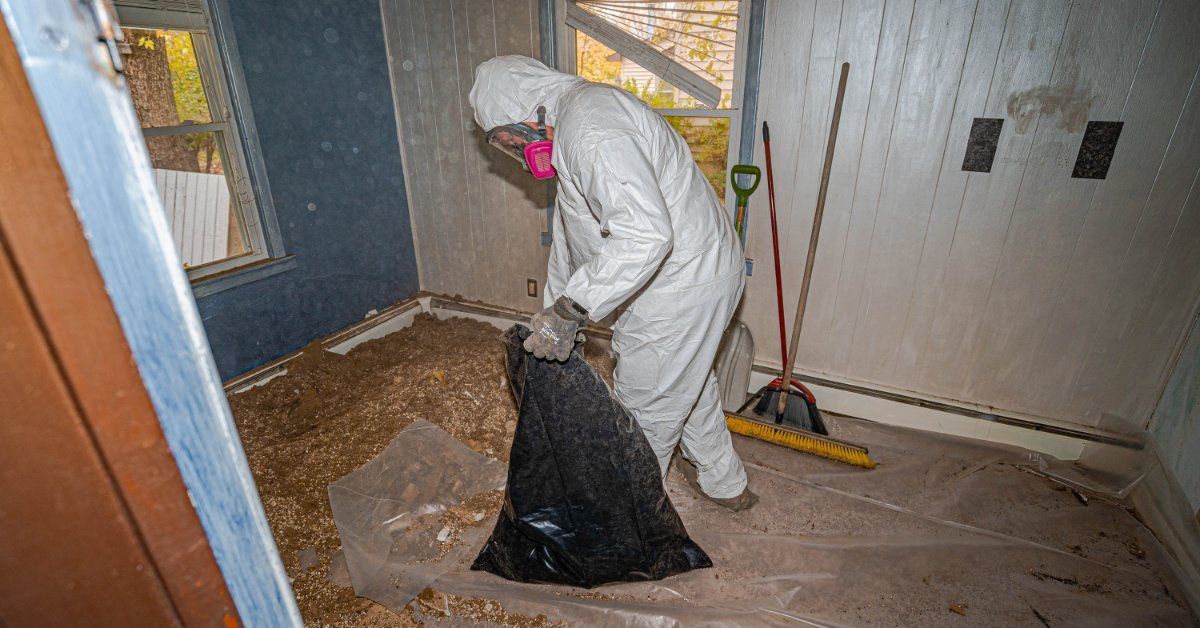
Do you suspect the presence of vermiculite in your attic insulation? Call a professionally licensed specialist who can test it and remove it safely. If you think you might need vermiculite removal in Massachusetts, you’ll find that Air Safe, Inc. can take care of the issue for you quickly and with the latest safety measures. Contact our family-owned company with any questions or for more information.