The Popcorn Ceiling: Why You Need To Remove It ASAP
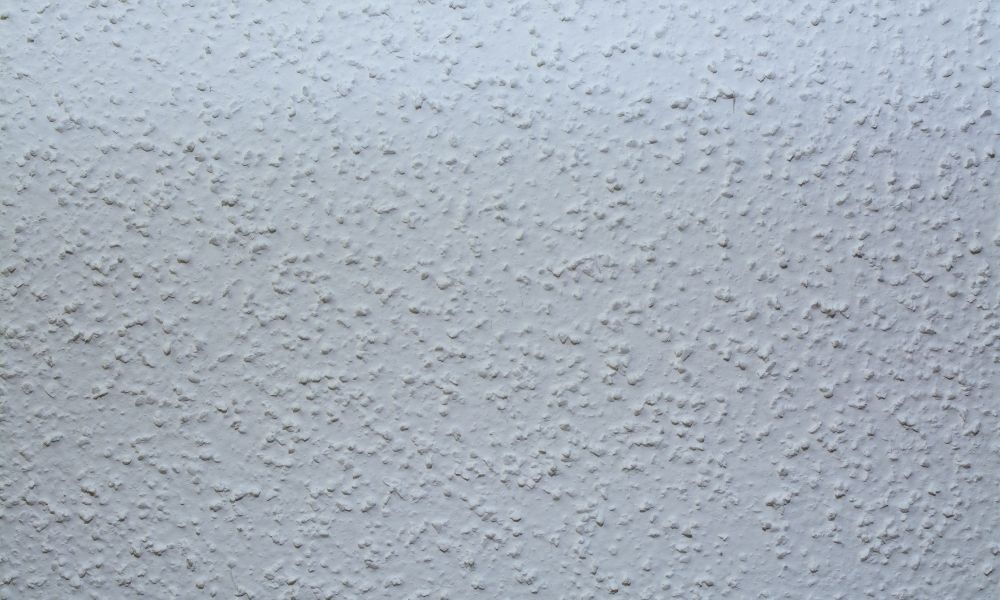
Popcorn ceilings can be appealing or horrifying to many people. They were once popular features in many homes, and for this reason, most people are familiar with them. Today, however, popcorn ceilings are signs of the past. They look outdated, and they can even be dangerous to you and your family. Rather than letting them sit undisturbed, it’s best to remove popcorn ceilings with asbestos. Keep reading to learn more about popcorn ceilings and why you need to remove them ASAP.
Why Popcorn Ceilings Are Dangerous
Popcorn ceilings used to be popular choices in home-building and renovation. Their crumbly appearance allows them to hide the imperfections that often come with drywall application. Unfortunately, popcorn ceilings were popular during a time when asbestos was a primary ingredient in many home-building materials. As a result, many popcorn ceilings have asbestos. Any disturbance to this type of ceiling material can be harmful to you and your family. If you have popcorn ceilings in your home, you should have the tested for asbestos content.
To understand why a popcorn ceiling is dangerous and can pose a threat to your well-being, you must also understand the role of asbestos and how it can make your ceilings dangerous. Asbestos is a naturally occurring mineral that’s still commonly used in many building and renovation materials. This is largely because asbestos provides many benefits, such as resistance to chemicals, heat, water, and electricity. However, these benefits are also what make it extremely toxic. Asbestos exposure can cause detrimental damage to your health and even mesothelioma.
If your popcorn ceiling contains asbestos, it can easily release toxic dust. This is because the popcorn ceiling material is very fragile. Any disturbance can cause it to chip away, letting dust particles fill the air. Rather than letting your popcorn ceiling sit there and hoping it remains undisturbed, you should consider removing it.
Tips for Playing It Safe
Whether you’ve chosen to remove your popcorn ceiling with asbestos or not, it’s important to play it safe to prevent any disturbances that might cause toxic dust to be released. Here are some tips:
- Don’t disturb your ceiling with any screws, nails, or even tape.
- Don’t allow children to throw toys in the air. This will prevent them from accidentally disturbing the ceiling.
- Avoid using tall furniture that can scrape against the ceiling.
- Avoid placing bunkbeds in a room that contains a popcorn ceiling.
By following these tips, you can protect your family while you wait for its removal. If you don’t plan to remove it, these tips will prevent any dangerous disturbances to your ceiling.
Do Not Remove Them Yourself
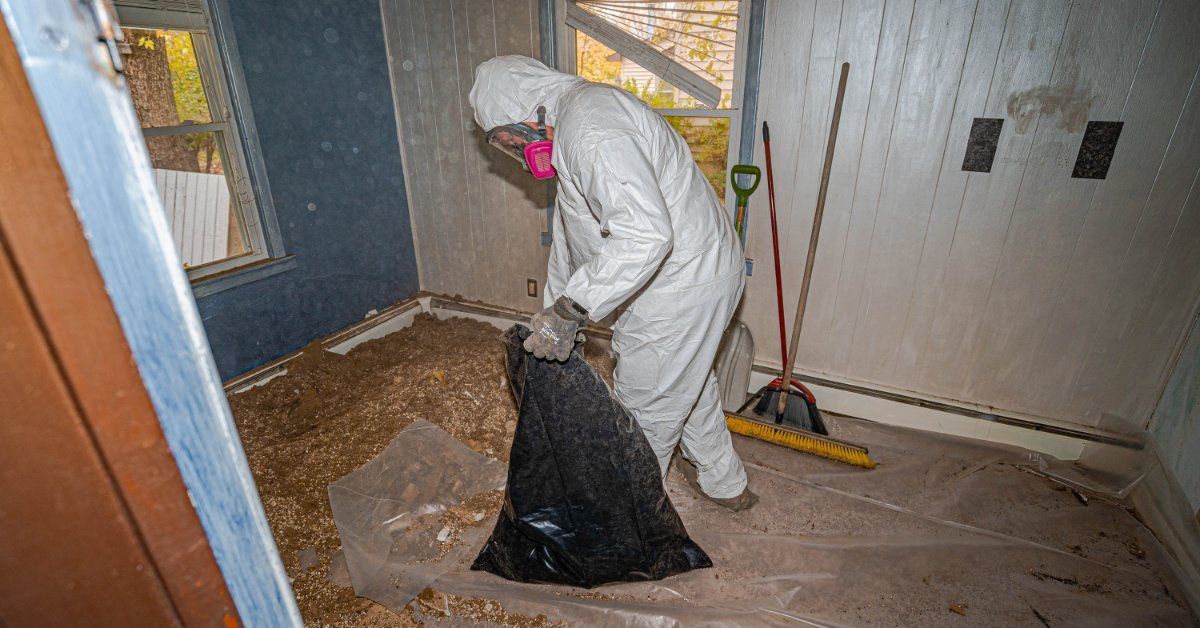
Do not remove popcorn ceilings that contain asbestos on your own. By regulations you must have a licensed asbestos contractor professional do the job for you. We will take all the appropriate precaution including removing the material under environmentally controlled conditions and disposing of the material at a certified asbestos landfill. If you’re looking for a Massachusetts asbestos abatement contractor, contact Air Safe, Inc. Our experts are licensed and certified to safely complete the job for you.
Ultimately, you should remove popcorn ceilings with asbestos in your home ASAP. They pose a health threat to your home and have truly become outdated features from the past. If you have any questions about the removal process, give us a call. Our asbestos abatement experts are ready to help.