Vermiculite Origins, Uses & Identification
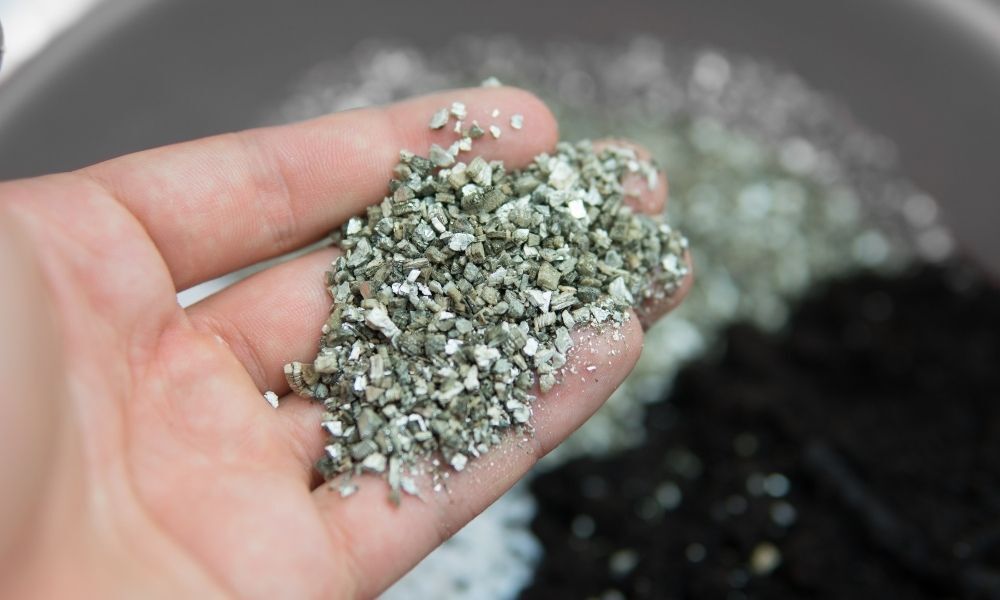
Vermiculite is a naturally occurring mineral that is made up of shiny flakes. When heated, it can expand to a much larger size than its natural form. Because it is lightweight, odorless, and fire-resistant, it has been used in many different products. One of those products is home insulation. Recently, however, vermiculite has been found to be a cause of concern due to its containment of asbestos. To better understand the precaution that must be taken when handling it, here is a brief history of vermiculite .
Where it Comes From
Vermiculite can be found in mines. The USA and other countries mine vermiculite for large commercial use. However, from 1919 to 1990, 70% of the vermiculite sold in the United States came from a mine located in Libby, Montana. It was later discovered that this mine contained asbestos, and as a result, the vermiculite that came from Libby turned out to be infested with the dangerous substance.
Despite this, vermiculite is not considered dangerous. If you have an older home, you should assume that your insulation contains vermiculite that may have come from Libby, MT. Experts also recommend all homeowners treat their attic insulation as if it did come from this specific mine to avoid any dangerous exposure.
Other Common Uses of Vermiculite
Besides home insulation, there are other practical uses to vermiculite. These uses include:
- Animal Feed
- Gardening and Agriculture
- Packing Material
- Automotive
- Construction
As you can see, vermiculite is used in a variety of different industries. There is no immediate danger to using vermiculite or being exposed to it. However, when it comes to your attic insulation, you want to take precautions and the necessary steps to protect your home and family.
How To Identify Vermiculite Insulation in Your Home
Today, vermiculite is still used for home insulation due to its light weight, fire resistance, absorbent, and odorless features. To identify vermiculite in your home’s insulation, look out for these characteristics:
- Pebble-like appearance.
- Light brown or gold in color.
- Size ranges from fine particles to large, coarse pieces—almost an inch long.
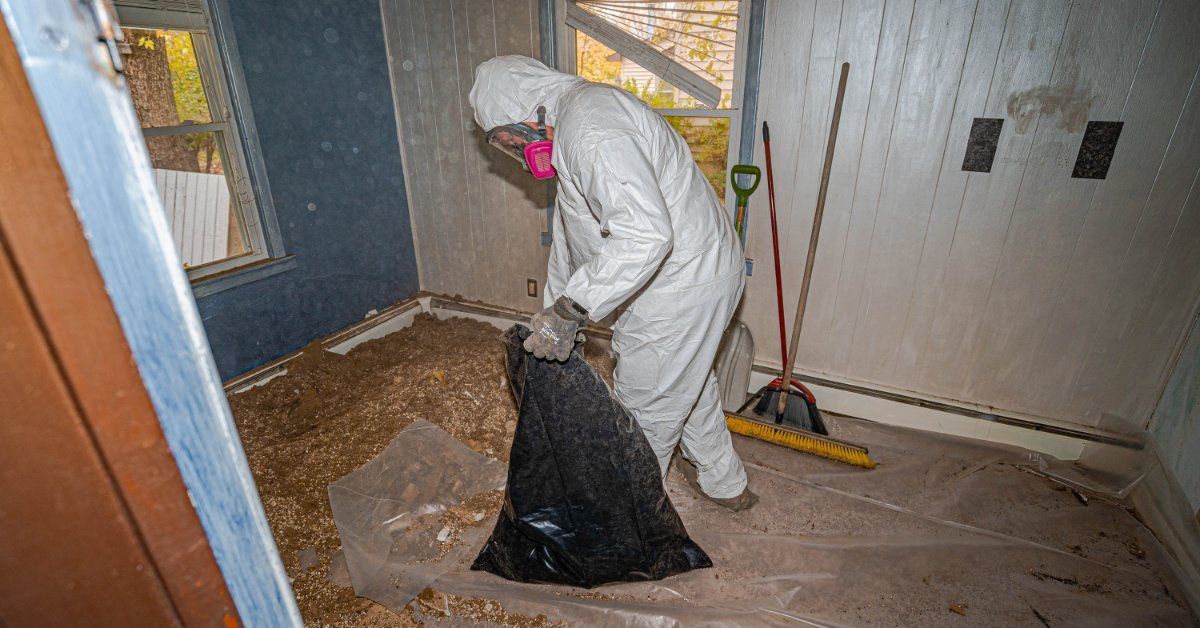
If you suspect that your home’s insulation is made out of vermiculite, there is no need to worry or remove it; it can stay in place. And if there is a need to remove it, such as demolition purposes, let an expert do the job.
Now that you know the brief history of vermiculite , take the necessary steps to keep yourself and your family safe. If you need vermiculite insulation removal in Massachusetts, give us a call. Here at Air Safe, Inc., you can trust our experts to properly remove and dispose of any asbestos-containing materials.