How HEPA Filters Are Used in Vermiculite Removal
Vermiculite insulation often contains asbestos, a hazardous material known to cause serious health issues. Its safe removal is essential for maintaining a healthy home environment. Professional remediation teams rely on specialized tools and methods to effectively address these risks.
Among these tools, HEPA filters are critical for vermiculite removal. These filters are a cornerstone of safe asbestos management, ensuring the removal process protects people’s health and the environment.
Understanding HEPA Filters
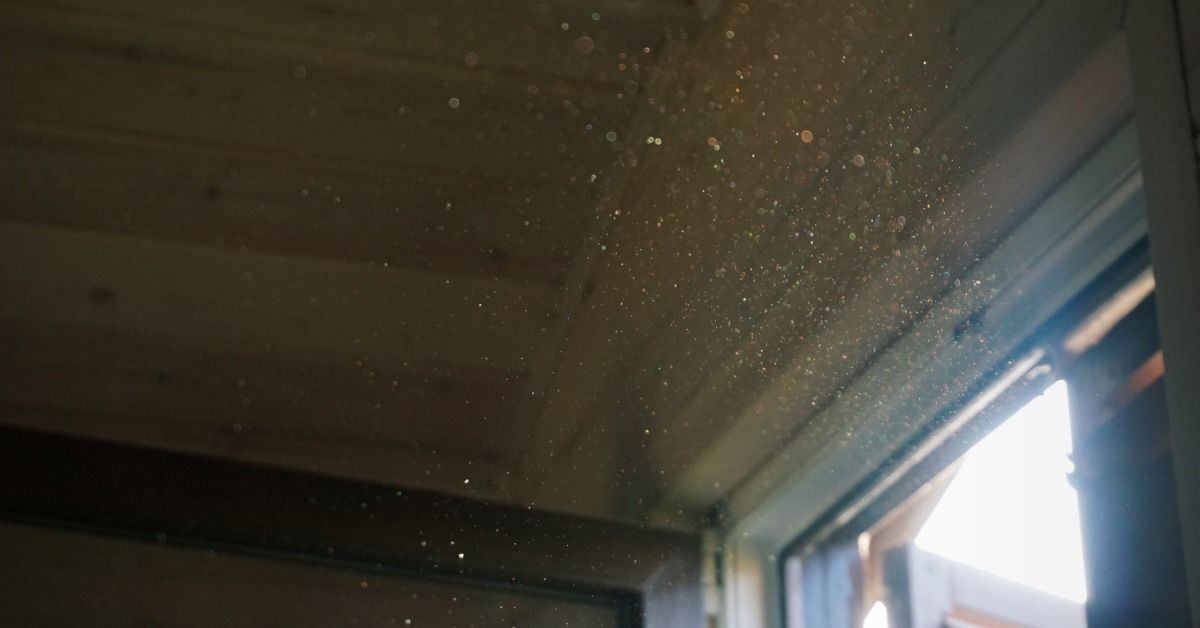
HEPA filters are highly effective at capturing 99.97 percent of particles as small as 0.3 microns. This capability makes them indispensable for dealing with hazardous particulates, such as asbestos fibers. During the removal of vermiculite, asbestos fibers can become airborne, posing significant health risks, including respiratory illnesses and certain types of cancer. Properly functioning HEPA filters trap these microscopic particles, preventing them from lingering in the air and reducing the risk of exposure.
HEPA Filters in Vermiculite Removal
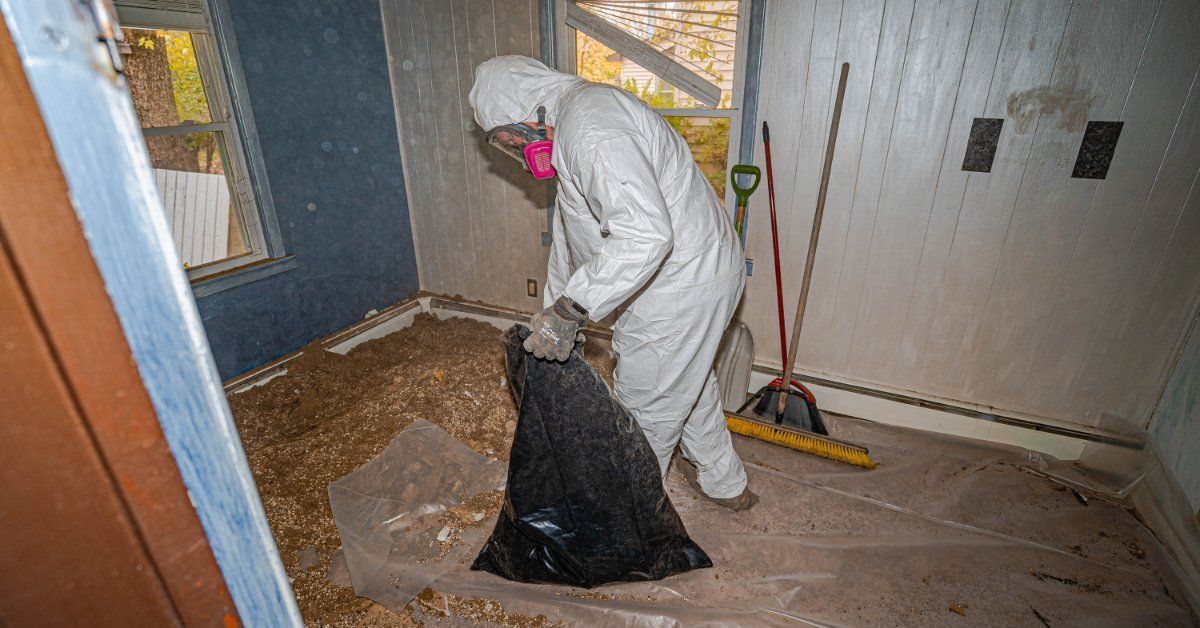
HEPA filters are used in vermiculite removal by remediation professionals to prevent the spread of hazardous fibers. High-velocity vacuums equipped with HEPA filters are used to safely extract contaminated materials from an open space down to the smallest fibers. These specialized vacuums ensure that asbestos fibers are captured and contained within the equipment rather than being released back into the home during containment. This is a critical step in preventing cross-contamination and maintaining indoor air safety.
Unlike traditional or non-HEPA systems, which may inadvertently spread asbestos particles, HEPA vacuums are specifically designed to hold hazardous materials securely. This prevents particles from traveling to other areas of the house and compromising additional spaces.
Indoor Air Safety
HEPA air scrubbers provide an additional layer of protection by continuously filtering indoor air during and after vermiculite removal. These powerful devices capture any lingering asbestos fibers that might have escaped initial containment efforts. This precaution is especially vital for homes with vulnerable residents, such as children, older people, or individuals with preexisting respiratory conditions. By ensuring a cleaner environment, these tools create a safer living space for everyone.
Proper Equipment Matters
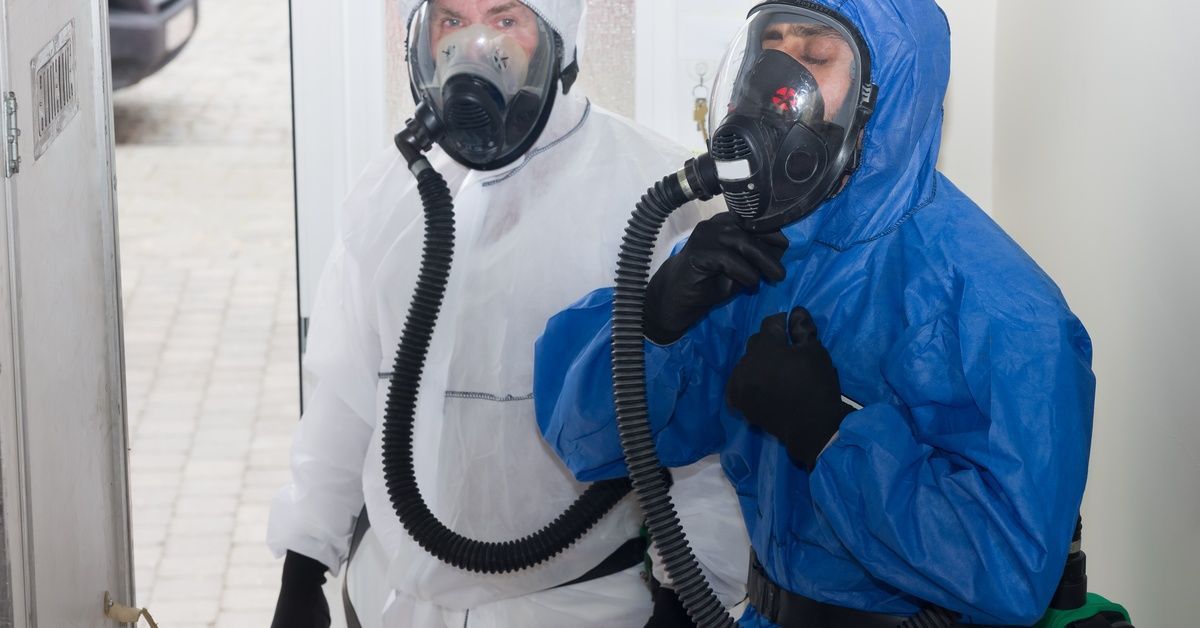
Attempting to remove vermiculite without HEPA-equipped tools is extremely risky. Non-professional-grade equipment cannot effectively trap asbestos particles, leaving the home exposed to contamination. Professional remediation companies invest in advanced systems, combining HEPA vacuums with air scrubbers to ensure compliance with stringent health and safety standards.
Professional Help
HEPA filters are a necessary component of effective vermiculite removal, but this is only one aspect of a large, meticulous process. Beyond advanced equipment, trained professionals possess the expertise to handle hazardous materials safely and responsibly. If you suspect vermiculite in your home, consult with Air Safe for qualified removal. Protecting your household and giving you peace of mind is priceless.