Why Check a Building for Asbestos Before Demolition?
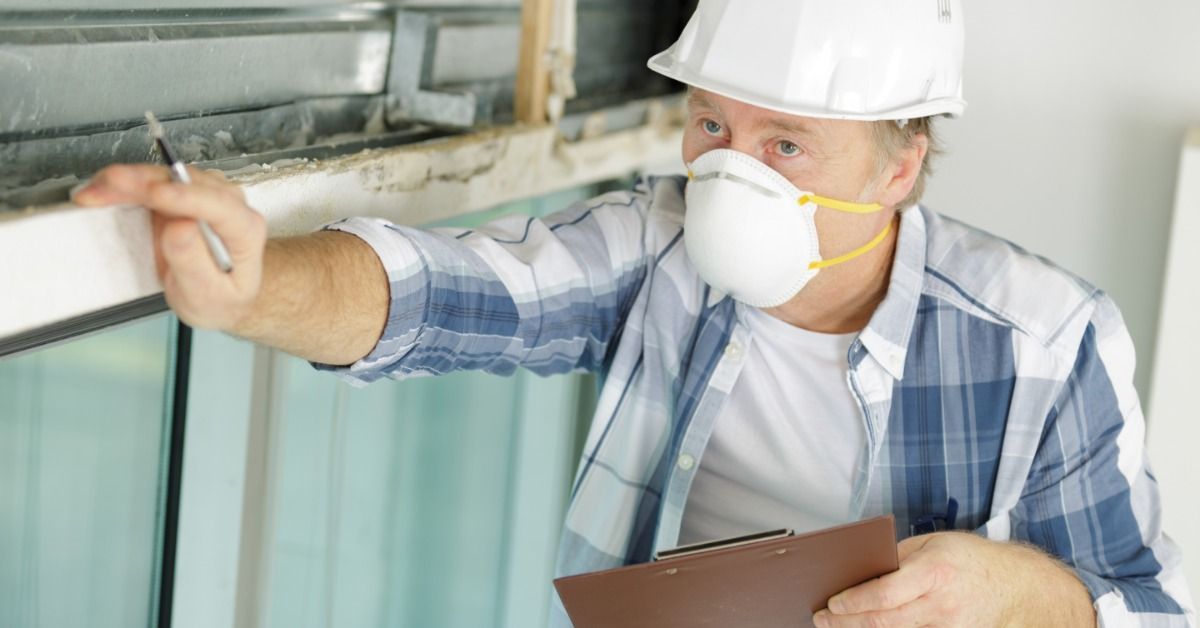
Before demolishing any structure, ensuring safety and compliance is paramount. These necessary safety precautions include checking a building for asbestos before demolition .
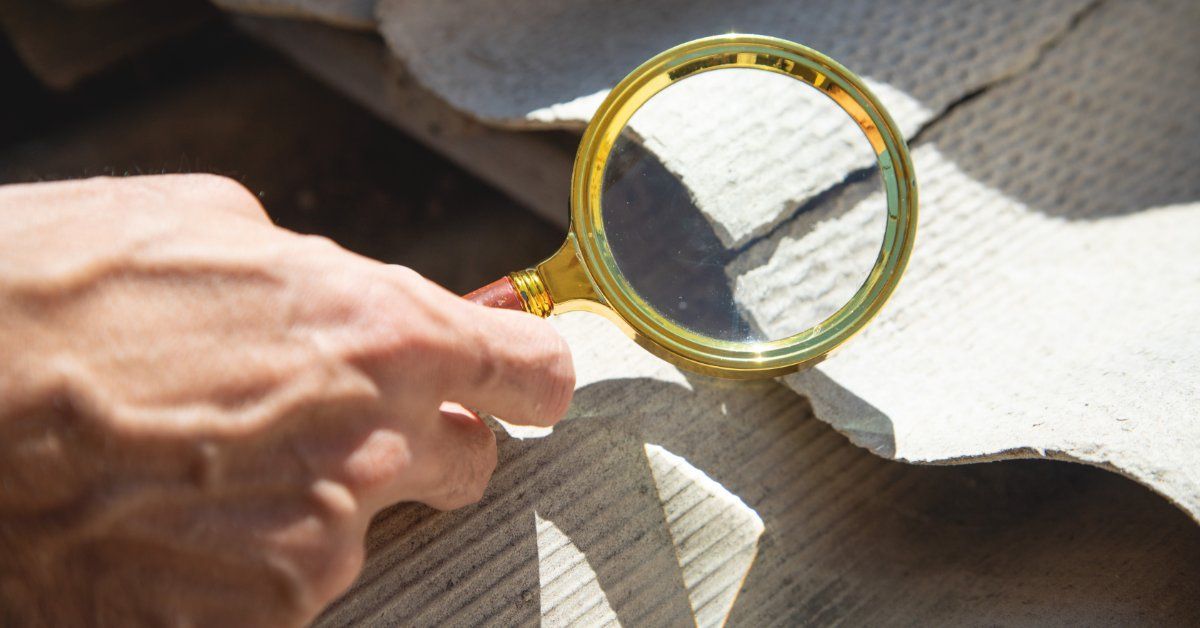
Asbestos is a hazardous material commonly used in construction until its risks became widely recognized. Assessing for asbestos, even if a site is planning a demolition, is critical in mitigating risks for workers and business operations. Failing to identify asbestos can pose serious health, legal, and environmental issues.
The Risks of Asbestos
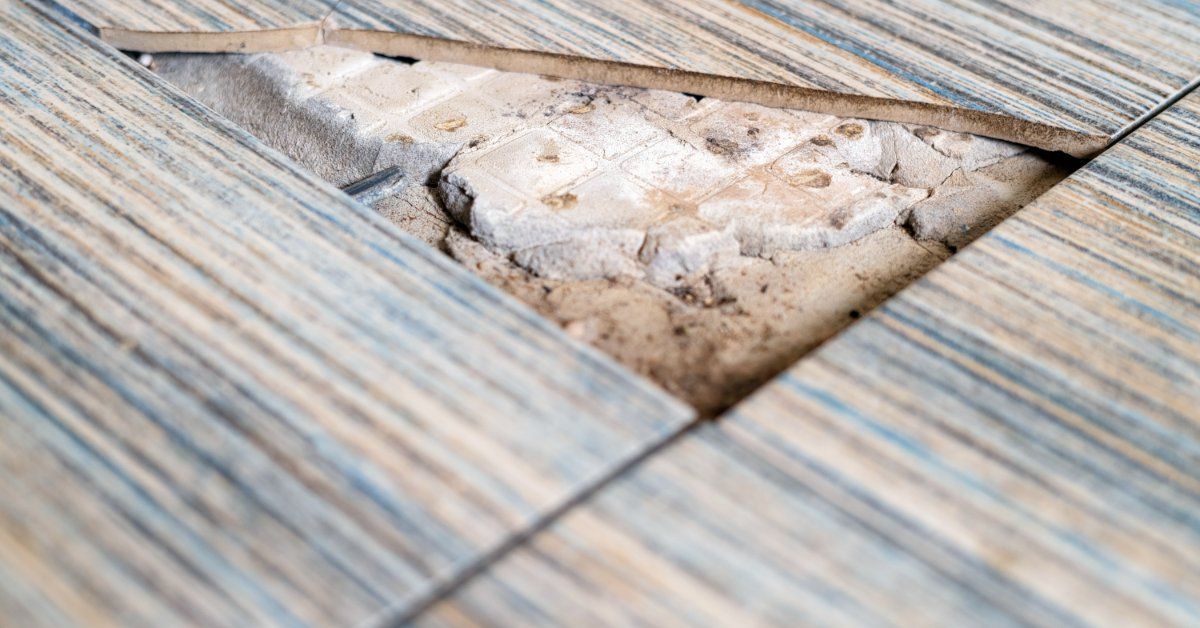
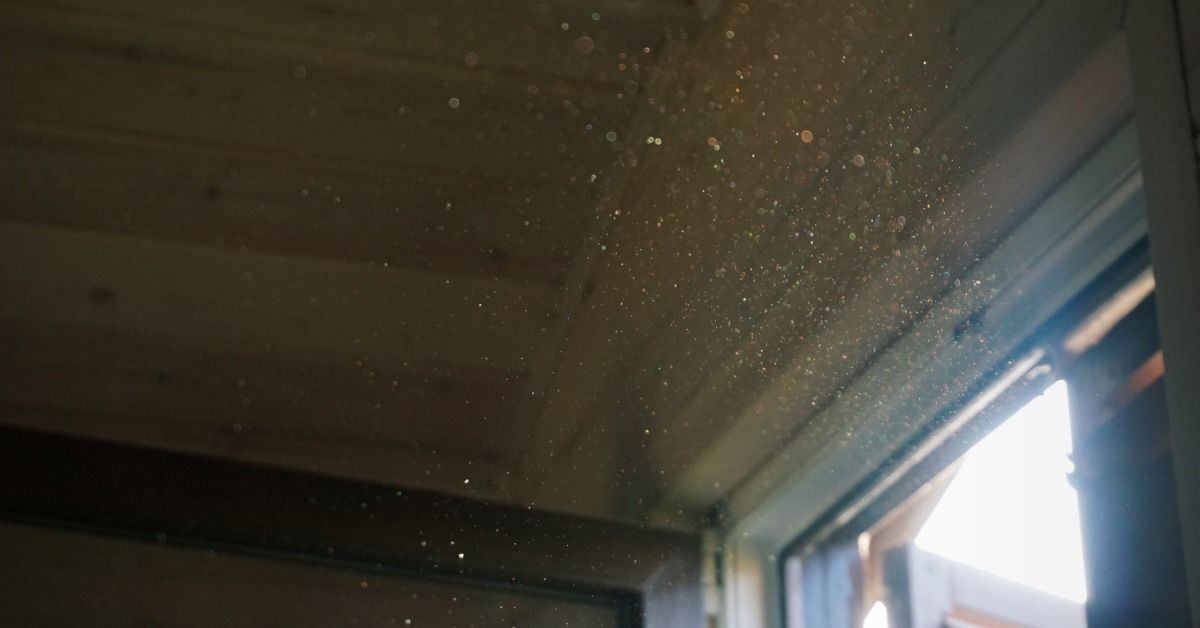
Due to its durability and fire-resistant properties, asbestos was once extensively used in building materials such as insulation, roofing, and floor tiles. Despite its practical use, when disturbed during demolition, asbestos fibers can become airborne and inhaled, leading to severe health problems such as asbestosis, lung cancer, and mesothelioma. These diseases typically emerge years after exposure, making early precautions necessary to minimize risk for workers and the surrounding community.
Legal and Environmental Compliance
Worldwide, governments enforce strict regulations around handling and disposing of asbestos. Failing to conduct a pre-demolition asbestos inspection can lead to hefty fines, project delays, or even the suspension of work. Proper identification ensures compliance with local laws, often mandating professional asbestos removal performed by licensed specialists. Beyond the legal implications, addressing asbestos responsibly protects the environment by preventing fibers from contaminating the air, soil, or water.
Worker Safety and Public Health
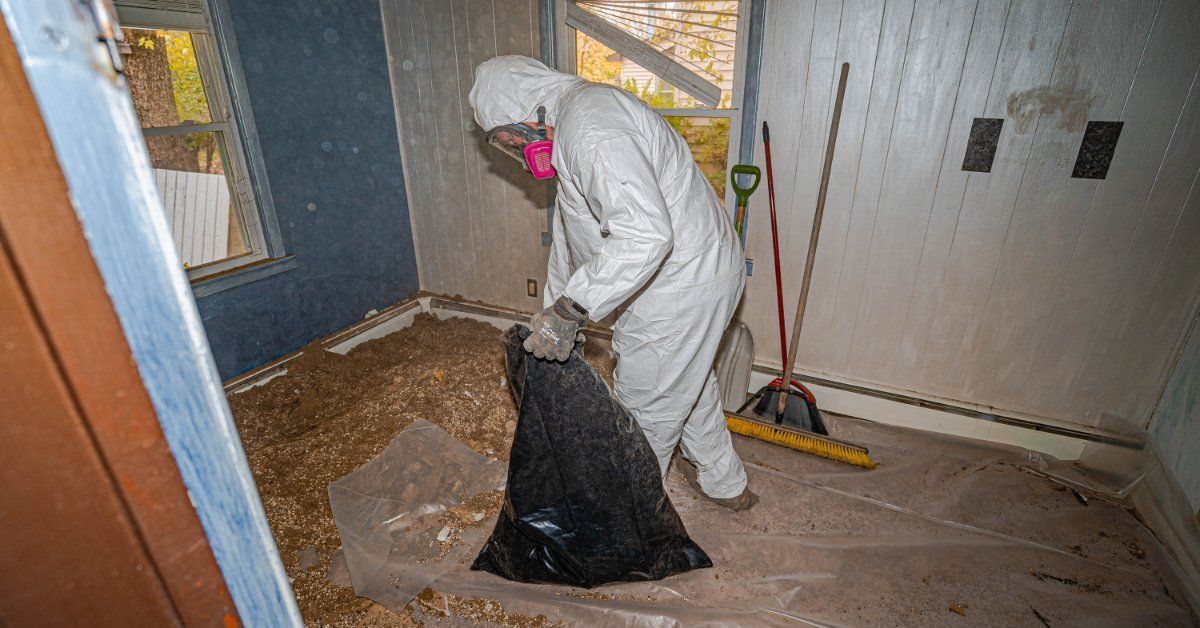
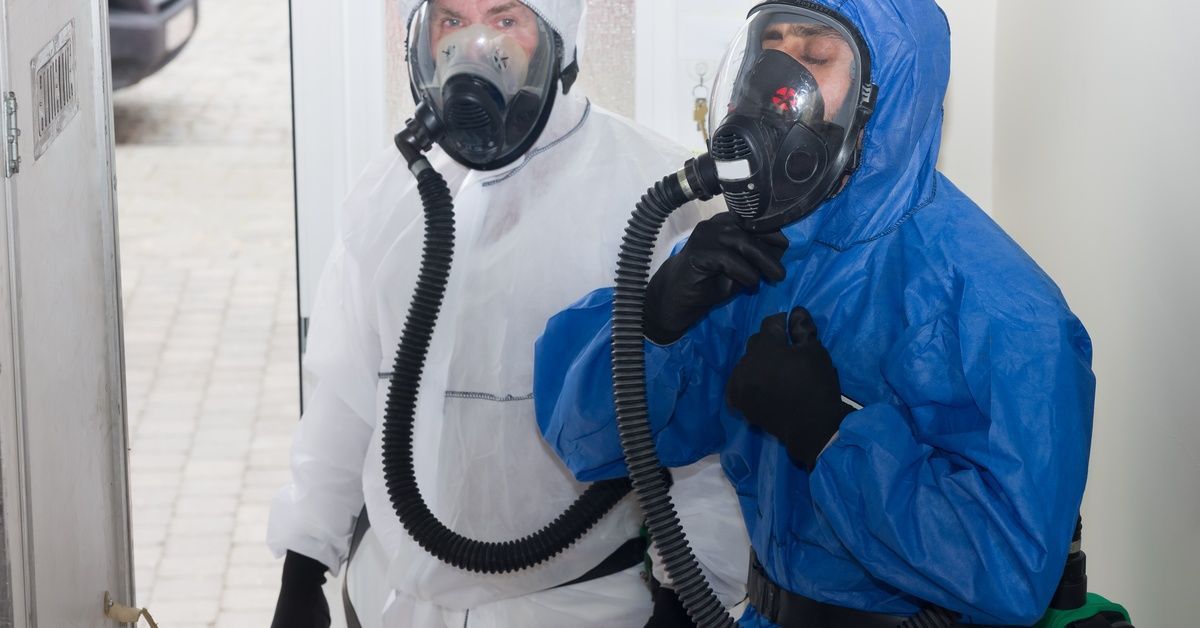
Demolition work inherently exposes crews to potential hazards. Adding asbestos into the mix exponentially increases these risks. Without prior testing, workers may unknowingly release airborne fibers during demolition, endangering themselves and others nearby. If asbestos is found during an inspection, containment measures can be implemented, and workers will be equipped with the necessary protective gear to proceed safely.
Ensuring Project Execution
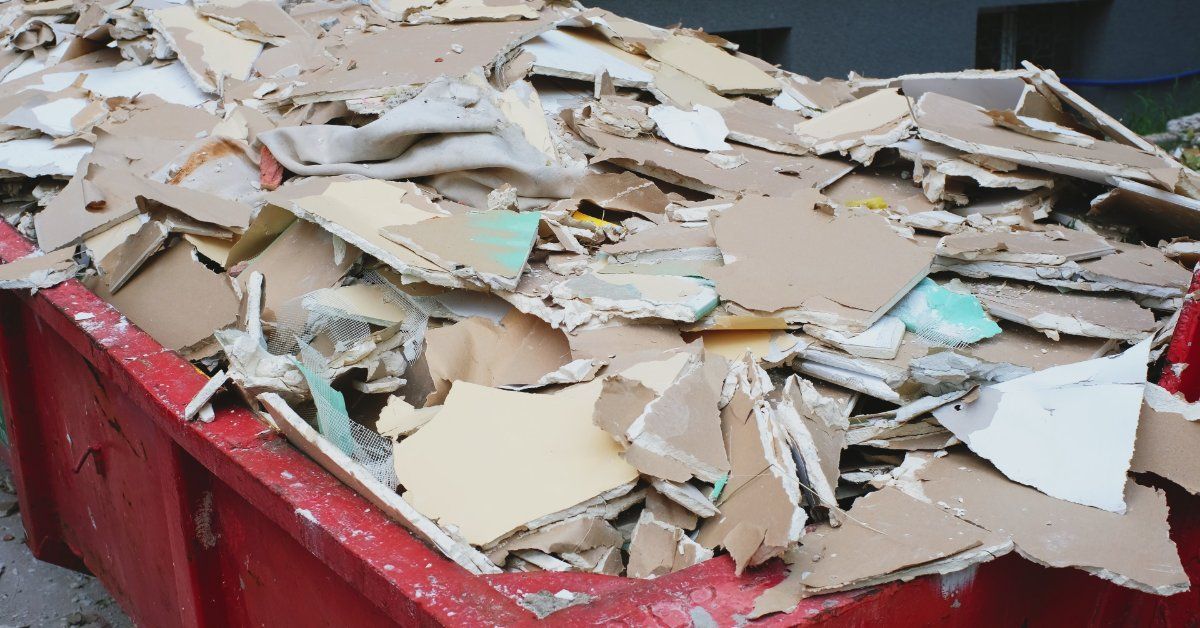
Ignoring asbestos testing can derail your demolition project. If asbestos is discovered mid-demolition, work halts immediately, and remediation efforts can be time-consuming and expensive. You can address potential hazards by preemptively checking for asbestos, keeping the project on schedule and within budget. A thorough inspection and any necessary remediation by an asbestos abatement company allows teams to approach demolition clearly and confidently, knowing no dangerous surprises await.
Protecting Lives and Costs
A pre-demolition asbestos inspection is not merely a regulatory box to check; it is a vital step in safeguarding lives and upholding responsible business practices. The expensive and lethal potential damage of overlooking this safety standard is why you must check a building for asbestos before demolition . This simple precaution can prevent long-term health risks, adhere to legal requirements, and create a safer, healthier environment for everyone involved.