Why You Shouldn’t Remove Vermiculite Yourself
Your home is supposed to be a haven, the place you go to feel comfort and protection. But what if we told you your home might contain cancer-causing minerals and other dangerous substances? That can definitely raise some concern, but it’s important to educate yourself on the dangers of vermiculite insulation to protect you and your family. If you’re not sure what that is, you’ll find this article on why you shouldn’t remove vermiculite yourself to be helpful.
What Is Vermiculite?
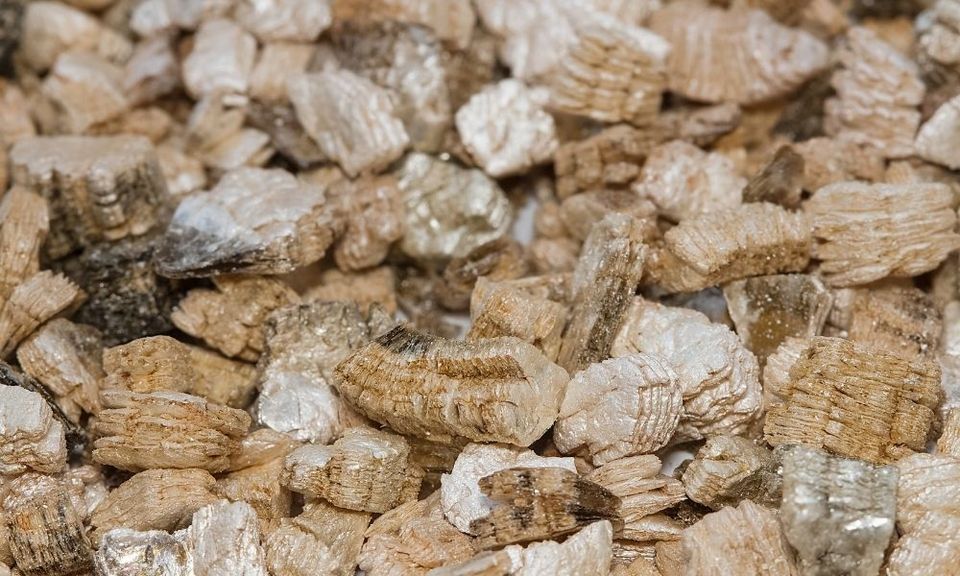
Before you can understand why you should avoid vermiculite, you need a foundational understanding of what it is. Vermiculite is a naturally occurring mineral used in a variety of ways. Its most popular use is in outdoor gardening. However, it’s also a favorite ingredient for home insulation because it expands when heated and is also lightweight, odorless, and fire-resistant.
To identify vermiculite, look for tiny, shiny flakes. These small flakes are pebble-like and greyish-brown in color. If you realize your home’s insulation contains this substance, do not proceed with your plans of removal or replacement.
What Makes Vermiculite Dangerous?
Direct exposure to insulation that contains vermiculite can be harmful to you and your family. That isn’t to say that you should avoid vermiculite in other settings—after all, many people use it for their gardens, and it’s also present in some pet food and packing materials.
But when it comes to your home’s insulation, vermiculite isn’t as harmless as it is in other products. Vermiculite in home insulation is known to contain dangerous levels of asbestos. Just like vermiculite, asbestos is also a naturally occurring mineral. However, unlike vermiculite, asbestos can cause cancer and other life-threatening diseases.
How Does Vermiculite Relate to Asbestos?
Now, you may be wondering what the connection is between the two natural minerals. For more than 70 years, the U.S. was mining vermiculite from a mine in Libby, Montana. More than half of all the vermiculite sold in the U.S. during this time came from this specific mine. Unfortunately, a later discovery revealed that the vermiculite from this mine contained dangerous levels of asbestos.
As a result, the insulation in many older homes in the U.S. currently contains large amounts of this dangerous mineral. Health experts recommend that those with older homes leave their insulation undisturbed to prevent the chances of exposure.
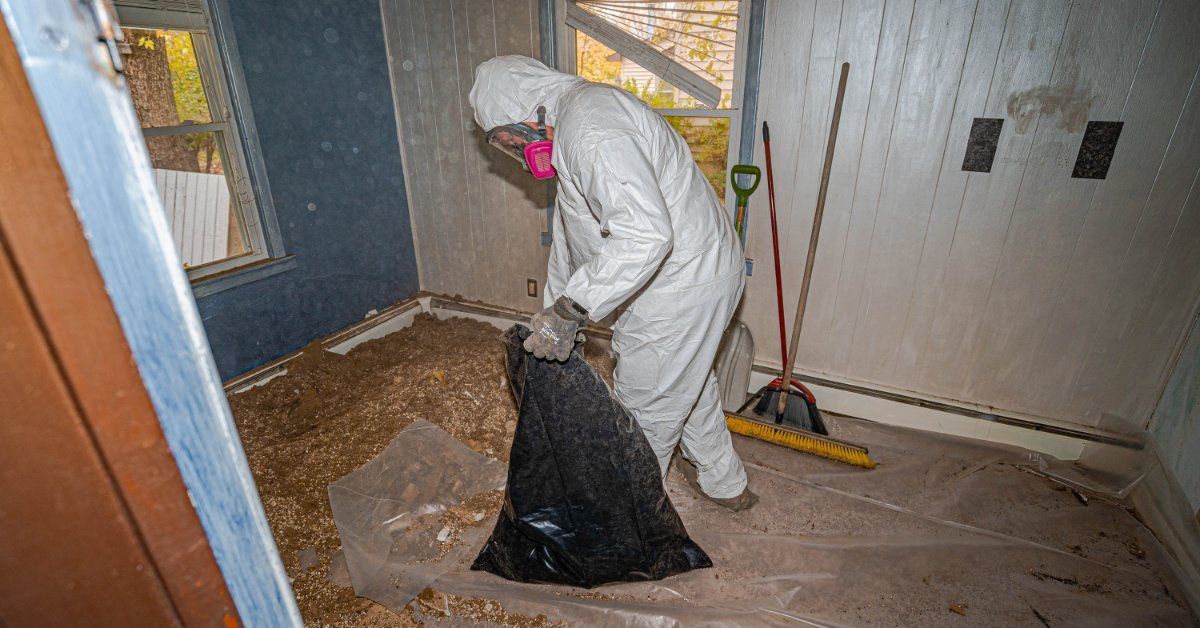
If you have an older home and suspect that your insulation contains asbestos, you shouldn’t remove the vermiculite yourself. Instead, let the professionals do the job for you. If you’re looking for vermiculite removal in Massachusetts, give us a call. Here at Air Safe, Inc., we have years of experience. You can trust us to get the job done as safely as possible. For any questions or inquiries, give us a call.