Why You Should Leave Asbestos Removal to the Professionals
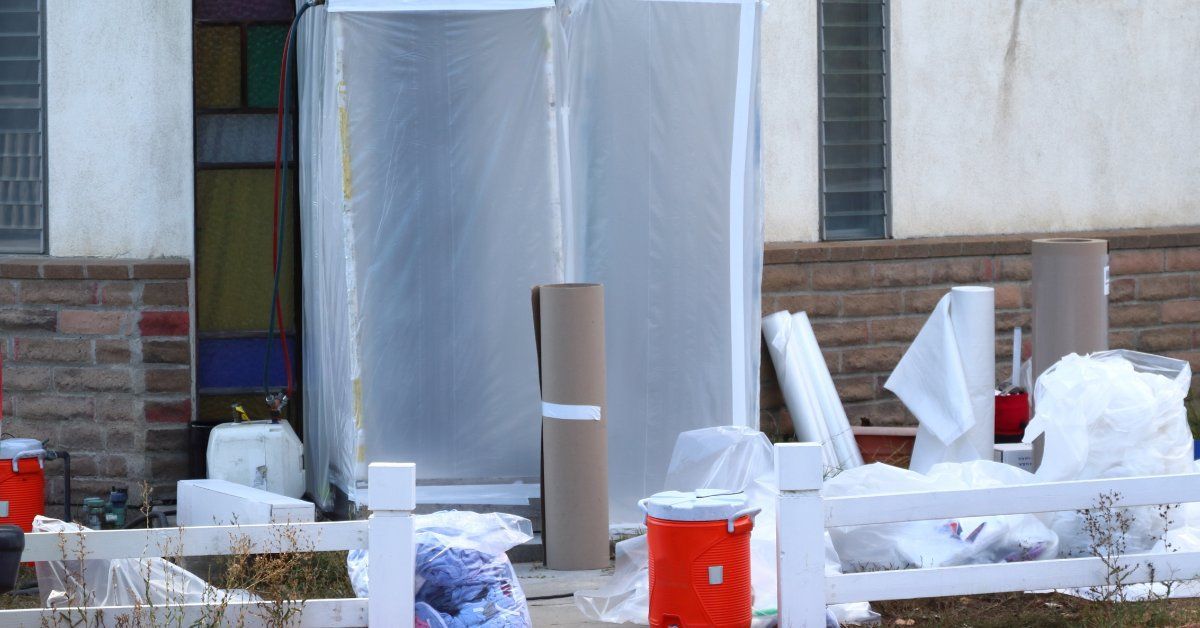
Some homeowners feel they can handle any project, large or small. This might be true for certain home repairs, but there are some other projects that only professional should handle—one of which is asbestos removal. Here are some of the main reasons why you should not DIY asbestos removal in your house or commercial building. Instead, call a professional asbestos removal service immediately to dispose of it.
You Might Not Know Where to Look
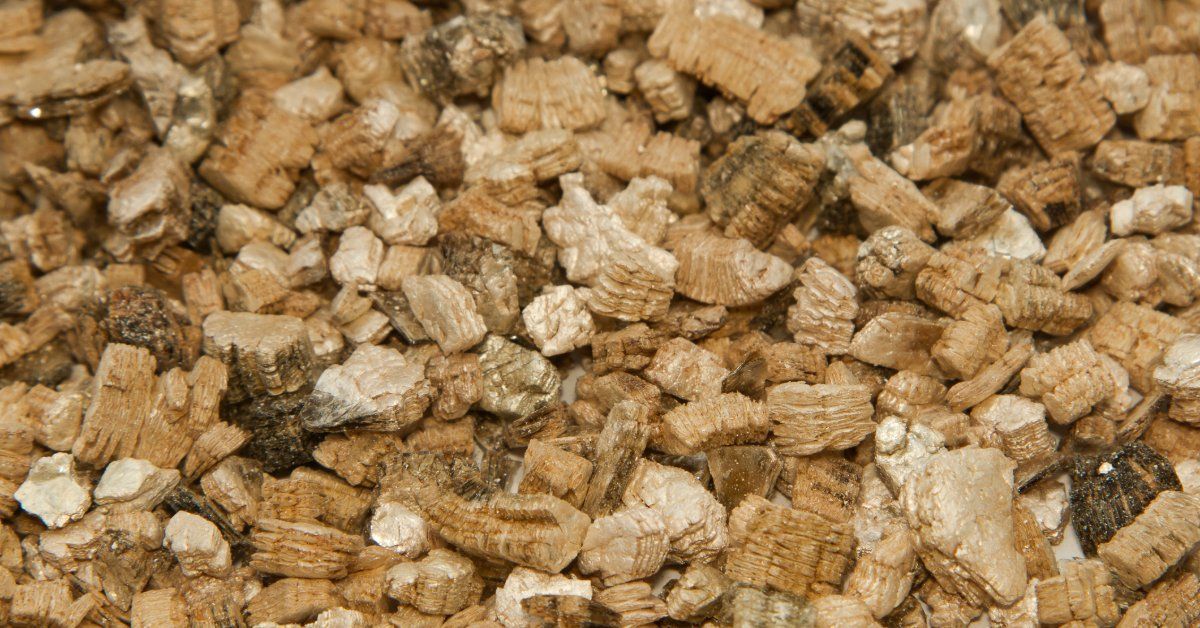
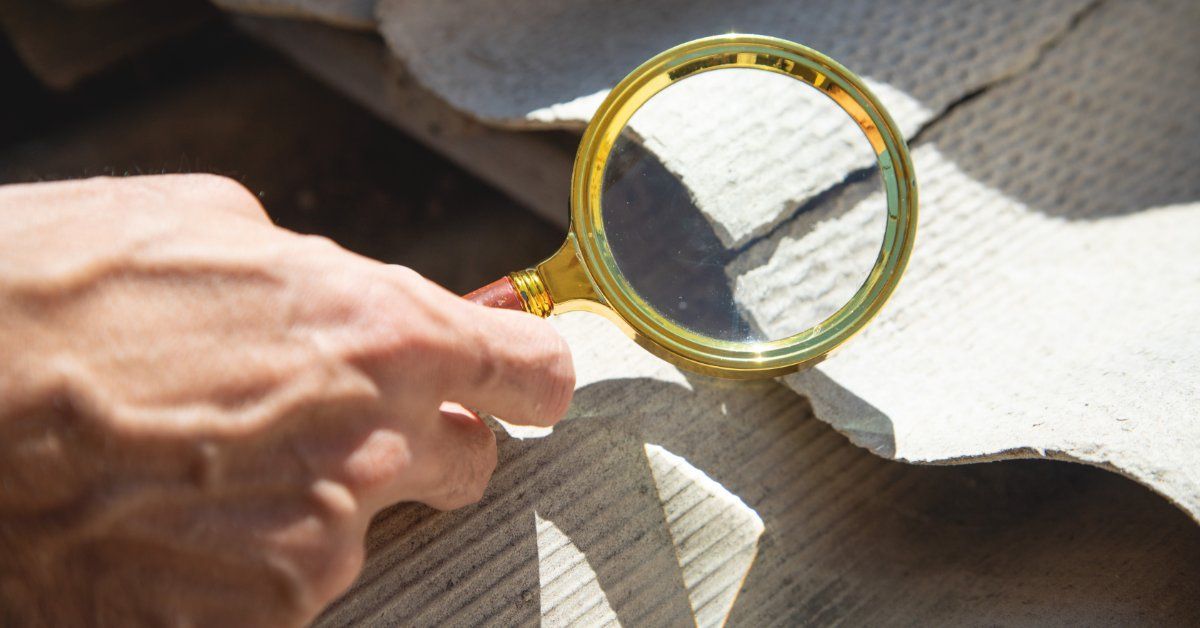
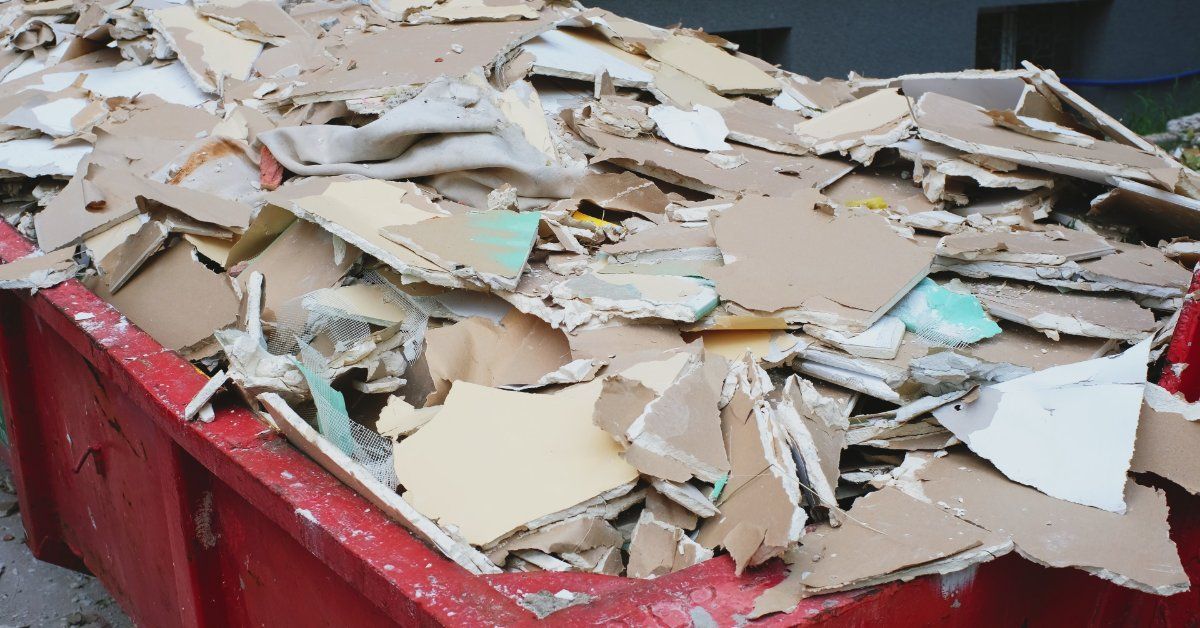
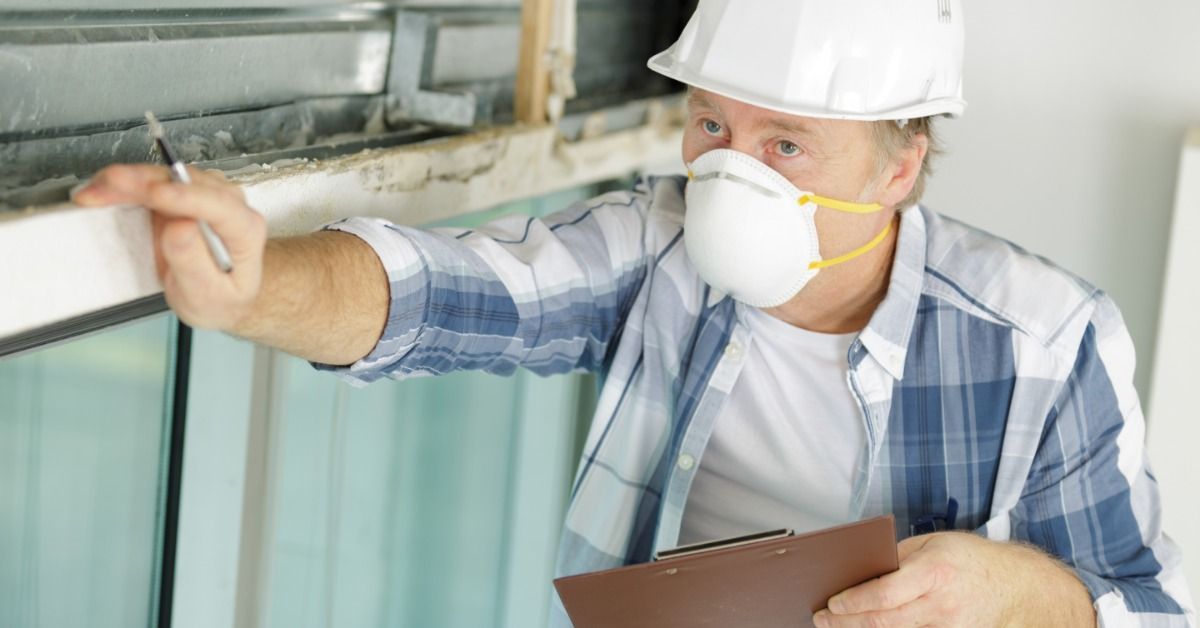
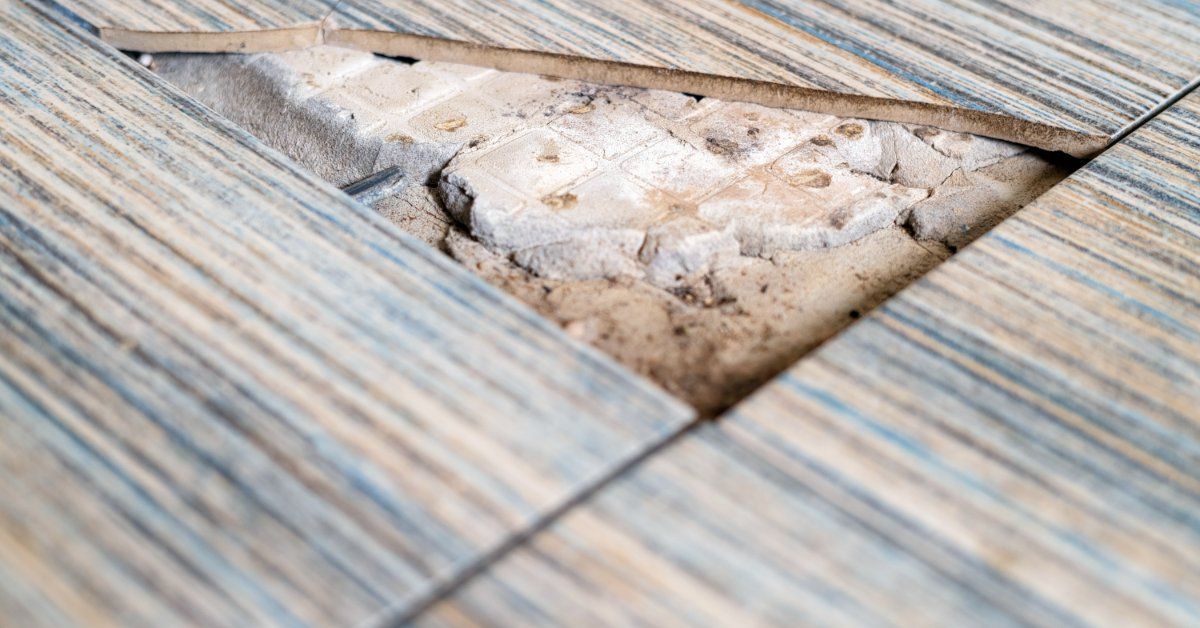
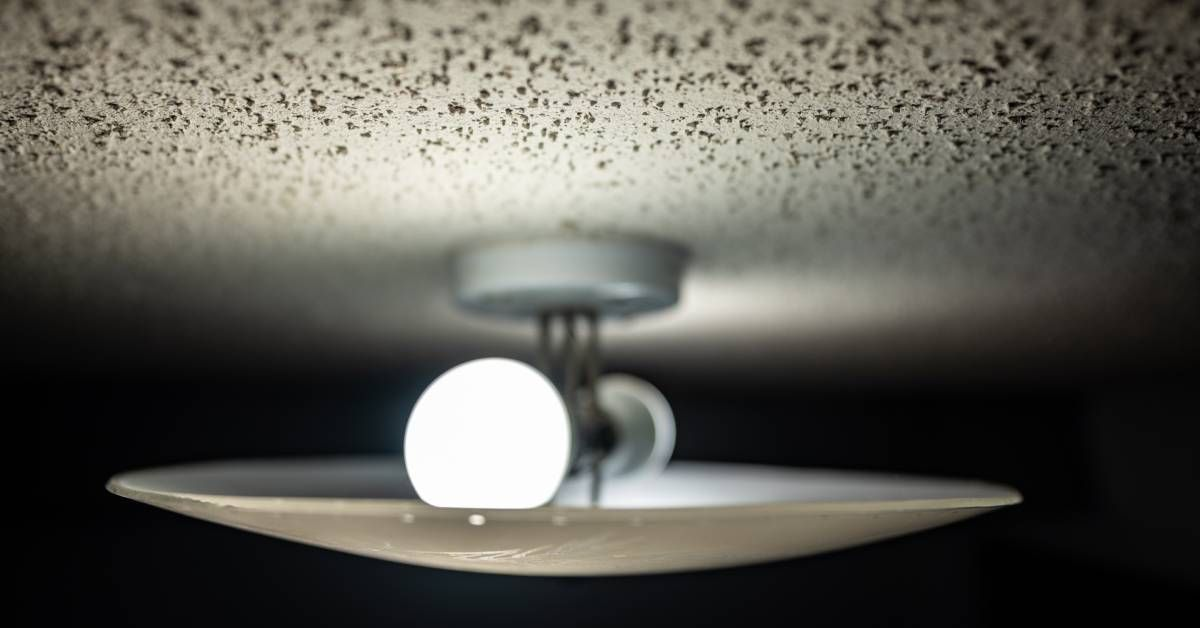
Amateur DIY home repairers may not know where to look to identify possible asbestos hotspots in their homes. Typically, you can find asbestos in cement shingles, sheets, pipes, roofing, flooring, and other construction materials. You might also find it in attic insulation, popcorn ceilings, plumbing fixtures, electrical panels, vinyl floor panels, drywall, cement sheets, plaster and caulking, and fireplace insulation.
You Might Not Have the Right Equipment
Asbestos is not a type of material you should handle lightly. If you inhale it, asbestos fibers can become trapped in your lungs and develop into one of two serious types of chronic diseases: asbestosis or mesothelioma. Asbestosis is a chronic lung disease that constricts the lung’s air sacs, causing shortness of breath, wheezing, or other untreatable conditions. Even worse, mesothelioma is a rare but fatal form of lung cancer with little treatment for remission.
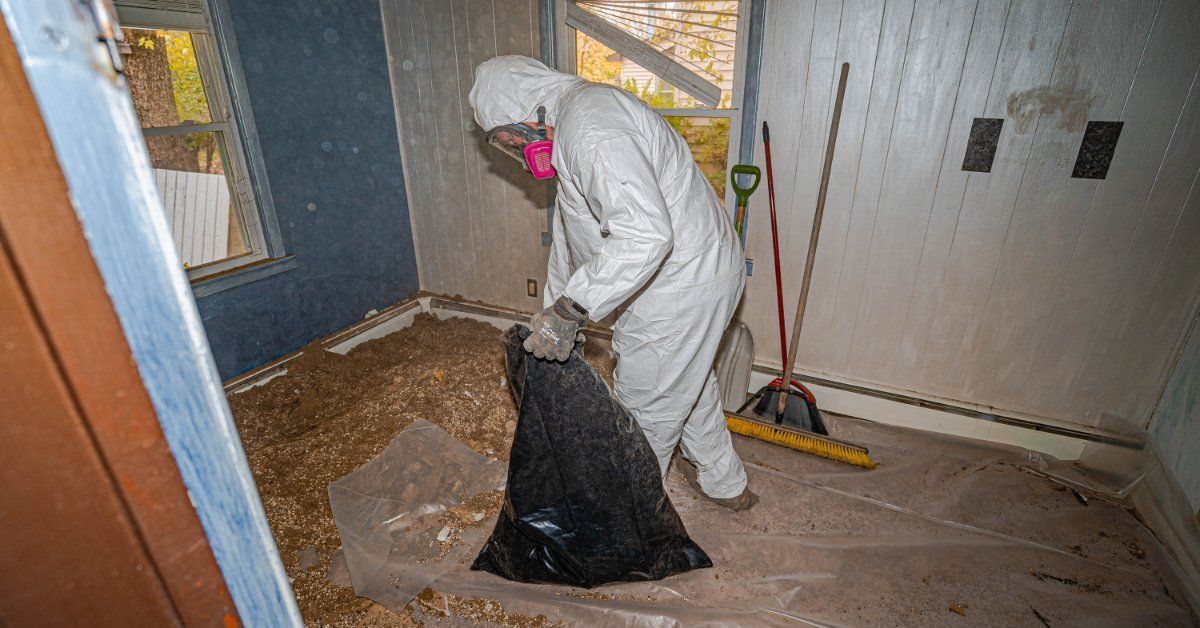
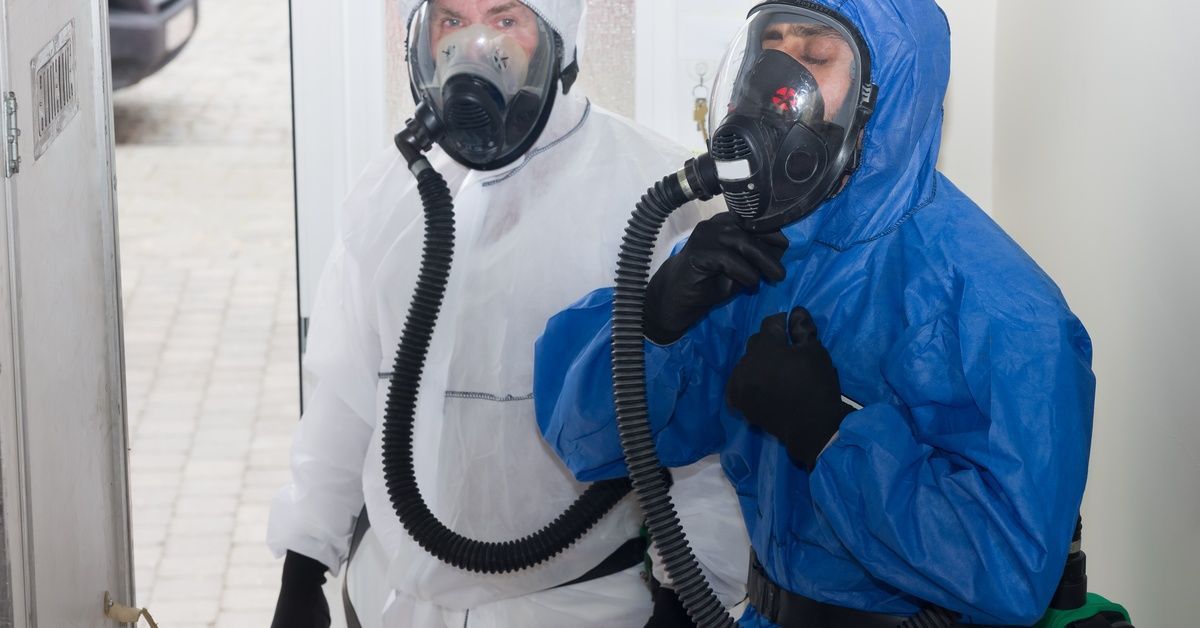
Removing asbestos from a building without the proper equipment could expose you to these health risks. Therefore, it’s essential to never use abrasive pads, brushes, power strippers, sanders, or other power tools if you think your home might contain asbestos, as these can further exposure. Working with asbestos also requires you to wear the right personal protection equipment (PPE), including a respirator, hat, gloves, disposable overalls, and safety goggles. Call a professional to handle asbestos removal, as they’ll have the proper equipment to deal with these fibrous materials.
Handling the Hazardous Material Takes Skill
Ultimately, you should never remove asbestos yourself because you probably don’t have the skills. You should never dust, sweep, or vacuum debris that contains asbestos, nor should you saw, sand, scrape, or drill holes in construction materials with asbestos. Only trained professionals qualified to handle asbestos should handle any large-scale removals or major repairs if your home does contain asbestos.
Call us at Air Safe, Inc. for premium asbestos abatement in MA. At Air Safe, our team of expert asbestos abatement contractors provide a wide range of services to make your residence or commercial building safe for human exposure. We provide safe asbestos removal and disposal without damaging the building itself as well as provide expert recommendation on any further steps. Stop stalling and call us today for a free quote.