What Parents Should Know About Children And Asbestos
If you’re a parent, you need to be aware of asbestos. Asbestos is harmful to children because it can cause them to develop mesothelioma, which develops more quickly in children than adults. A five-year-old can develop mesothelioma before they reach their young adult years because of underdeveloped lungs. Here’s what parents should know about children and asbestos .
Children Are at Greater Risk of Getting Mesothelioma
When your child is young, their respiratory system and lungs are still developing. Since their lungs are tiny, and there’s a higher surface area to volume ratio in their lungs than in adults’, they tend to breathe at a quicker rate. This increases the possibility of their breathing in asbestos fibers. Another reason children are at greater risk of contracting asbestos-related health problems is because they often stick their fingers in their mouths. If they’ve come into contact with asbestos, they could ingest it by accident. When children consume asbestos fibers, their chances of getting mesothelioma increase.
Asbestos Exposure to Children at Home
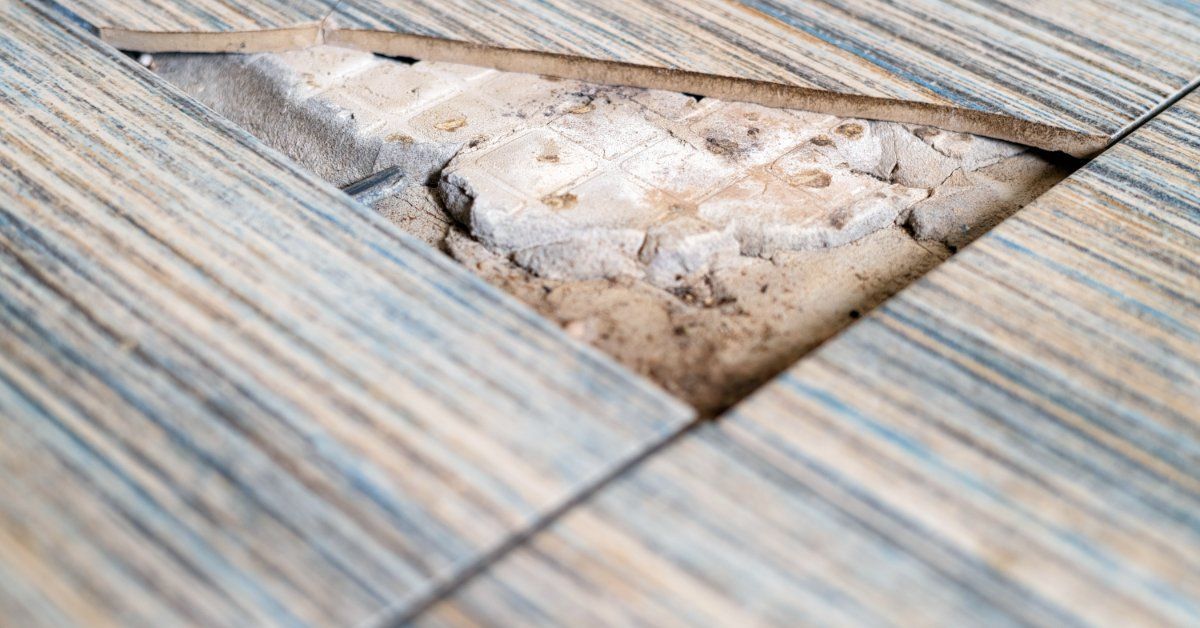
You expect your children to be safe at school, but if any construction debris remains in the air, a child could ingest it without even knowing. Everyday items that contain asbestos include paints, plaster, and even siding. Even though there are laws banning asbestos, many buildings still have asbestos today.
Cases of Asbestos Exposure as a Child
Even though mesothelioma is a rare condition in children and young adults, they have a higher chance of developing it compared to adults. Statistics show that mesothelioma cases in young adults account for five percent of diagnoses.
How To Protect Your Child From Asbestos
There are many ways to protect your child from asbestos exposure. The first thing to do is discuss with your child what asbestos is, where it comes from, and how common it is in homes and buildings. Then, set up protective boundaries for your children to follow. Here are a few examples:
- Don’t allow your children near abandoned homes or sheds since they could contain asbestos.
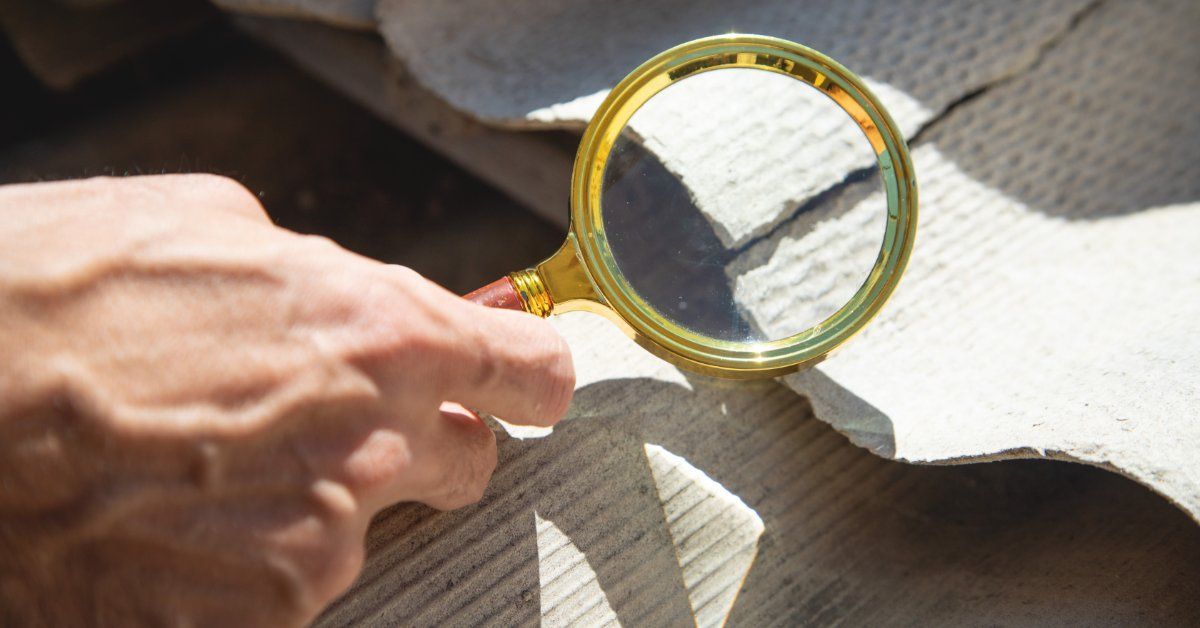
- Discourage your children from picking up broken pieces of fibro asbestos sheets they find lying around.
- Don’t let your children drink from old water fountains, as the pipes could contain asbestos that might have leaked into the water.
What You Need To Do About Asbestos
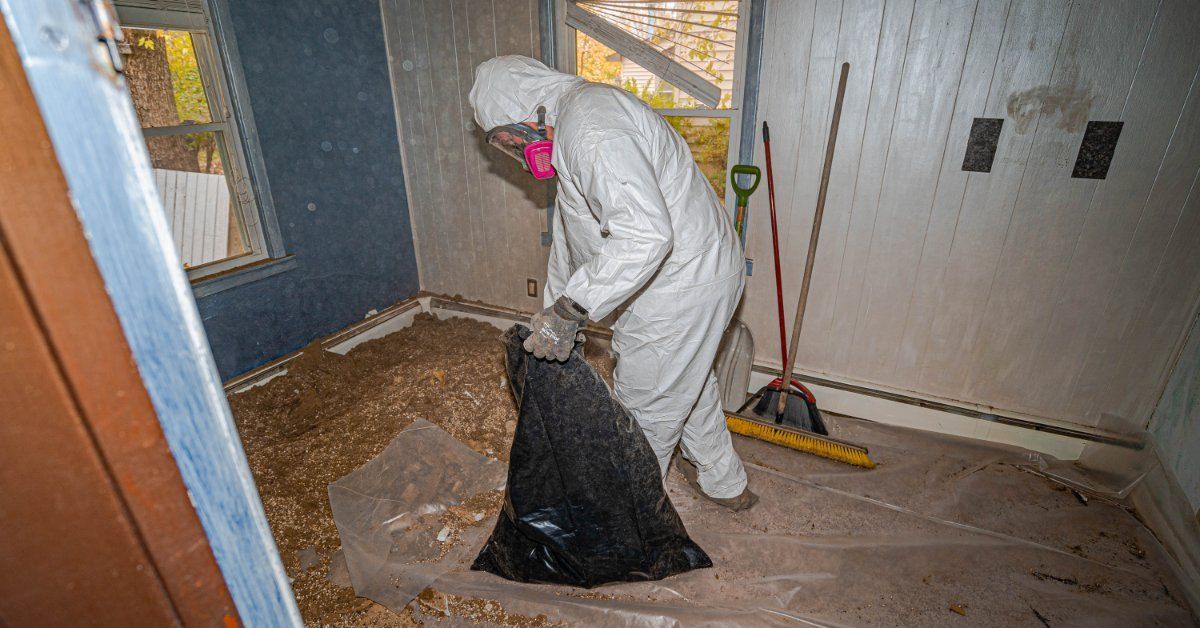
If there’s asbestos in your home, the best way you can protect your children from potential exposure is to seek an asbestos removal company that can help remove and dispose of the asbestos properly. Even if a company deems it in good condition, it can still be harmful if your children touch it.
Asbestos is a dangerous insulation material that is more harmful to children than adults and can cause long-lasting health conditions. Parents should know about asbestos and their children in order to protect their children from asbestos. Take care of your property by contacting Air Safe, Inc., for proper disposal and removal of your asbestos.