What MA Homeowners Should Know About Asbestos Siding
Your house’s exterior might hold a surprise that doesn't show up until you plan a renovation. If you own an older home in Massachusetts, knowing a little about asbestos siding can help you make informed decisions about exterior renovations. These materials have a long history in residential construction, but their presence doesn't automatically require removal. The important question is what condition they're in and what you plan to do next.
Why Older Homes Have Asbestos Siding
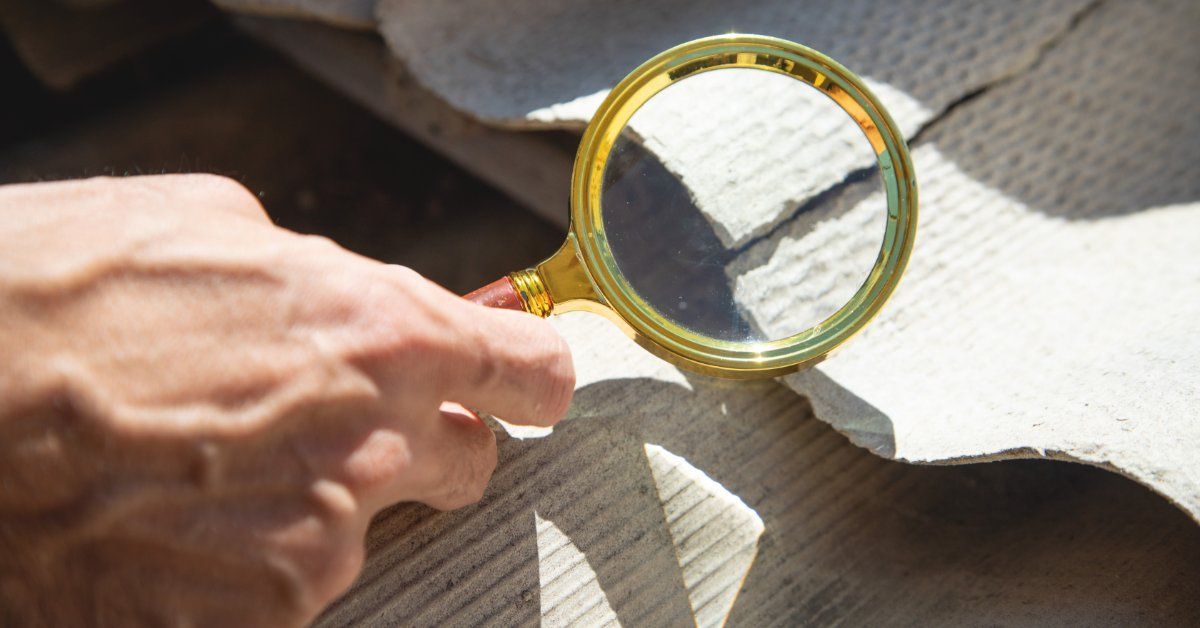
Builders once used asbestos-cement shingles for their durability and fire resistance. You may find them in older Massachusetts homes, but appearance alone can't confirm whether they contain asbestos. Since not all cement shingles contain asbestos, a qualified professional can assess your siding and determine if testing is necessary.
You don't necessarily need to replace asbestos-containing shingles that remain intact and undisturbed. In fact, leaving them alone may be the safest approach when they're in good condition. However, deterioration deserves closer attention. You might notice cracked shingles or sections that have broken away from the house. A closer evaluation can help determine if repair or removal is appropriate.
Plan Carefully Around Exterior Work
If you're planning to replace your windows or renovate your home's exterior, knowing what to expect from asbestos siding is especially important for Massachusetts homeowners. Contractors may need to disturb existing shingles to complete the work. Consequently, identifying potential asbestos concerns early can prevent unexpected interruptions.
Consider these questions while planning your project:
- Will the renovation require disturbing existing shingles?
- Has a professional confirmed the siding's composition?
- Does the exterior show visible deterioration?
- Have you discussed potential asbestos concerns with your contractor?
- Does your project require asbestos-related notifications?
Massachusetts Has Specific Requirements
Massachusetts regulates work involving asbestos-containing exterior cement shingles. Contractors must follow material-specific procedures intended to prevent asbestos fibers from escaping during removal. These requirements generally prohibit breaking or cutting shingles during handling.
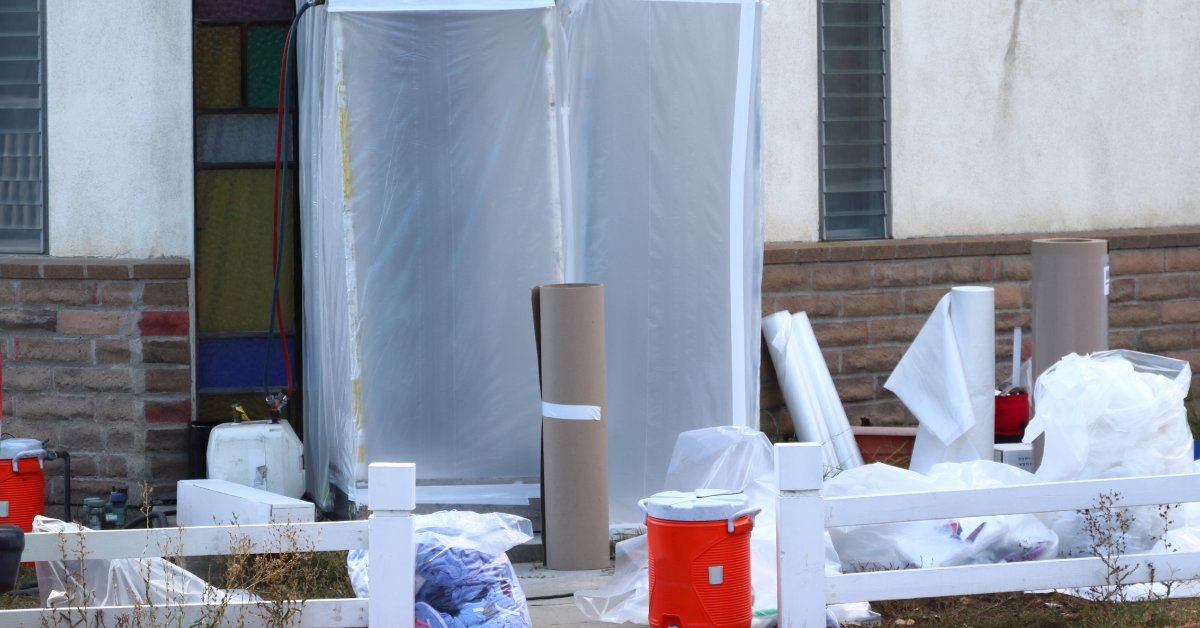
Additionally, many asbestos abatement projects require notification at least ten working days before work begins, although certain small siding projects qualify for an exemption. If you're considering asbestos removal in Boston, remember that removal involves controlled handling and proper waste disposal, not ordinary demolition. A qualified contractor can explain which requirements apply.
Your home's age doesn't have to stand in the way of the improvements you want to make. With the right information, you can make decisions that support your renovation goals. Air Safe Inc. provides asbestos removal services throughout Eastern Massachusetts, helping homeowners address asbestos-containing materials as part of their projects. Contact our team to discuss your siding concerns and take the next step toward your exterior renovation.