The Difference Between Asbestos Abatement and Encapsulation
Discovering asbestos in your home doesn't automatically mean you need to remove it. Depending on the material's condition and your renovation plans, removal may not be your only option. Knowing the difference between asbestos abatement and encapsulation helps you understand your options and why professionals may recommend a particular approach. With that knowledge, you can ask better questions when discussing the next steps with a qualified professional.
What Asbestos Abatement Involves
Asbestos abatement involves managing asbestos-containing materials to reduce the risk of exposure to airborne fibers. Although people commonly associate abatement with removal, professionals may use other methods when appropriate. They must follow applicable safety procedures and regulations throughout the work.
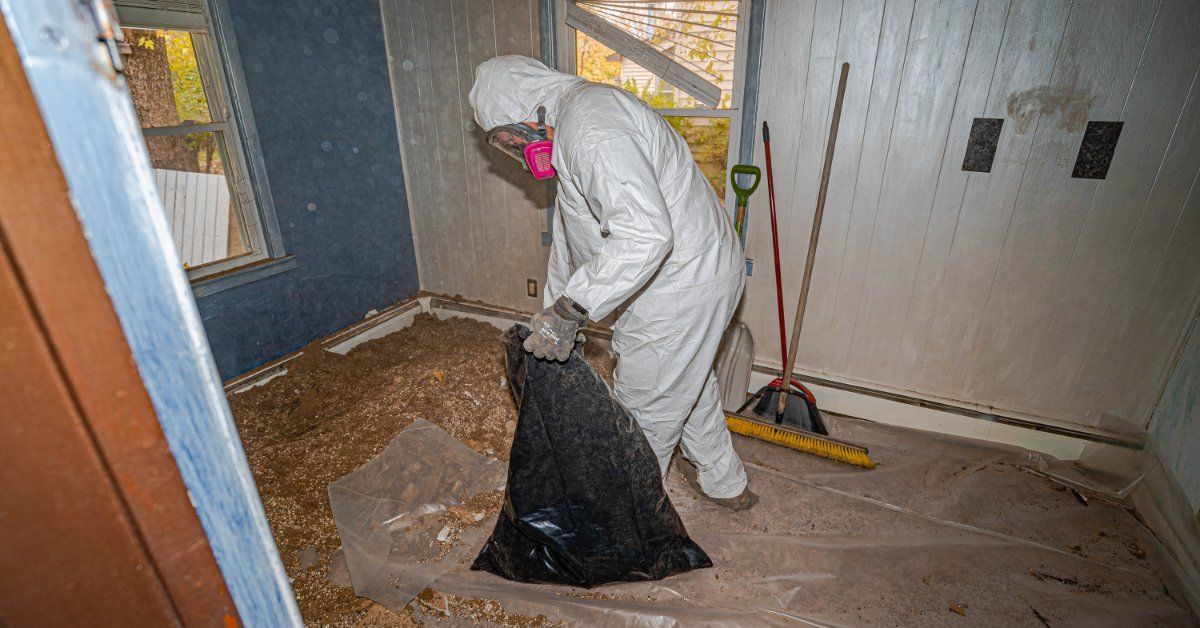
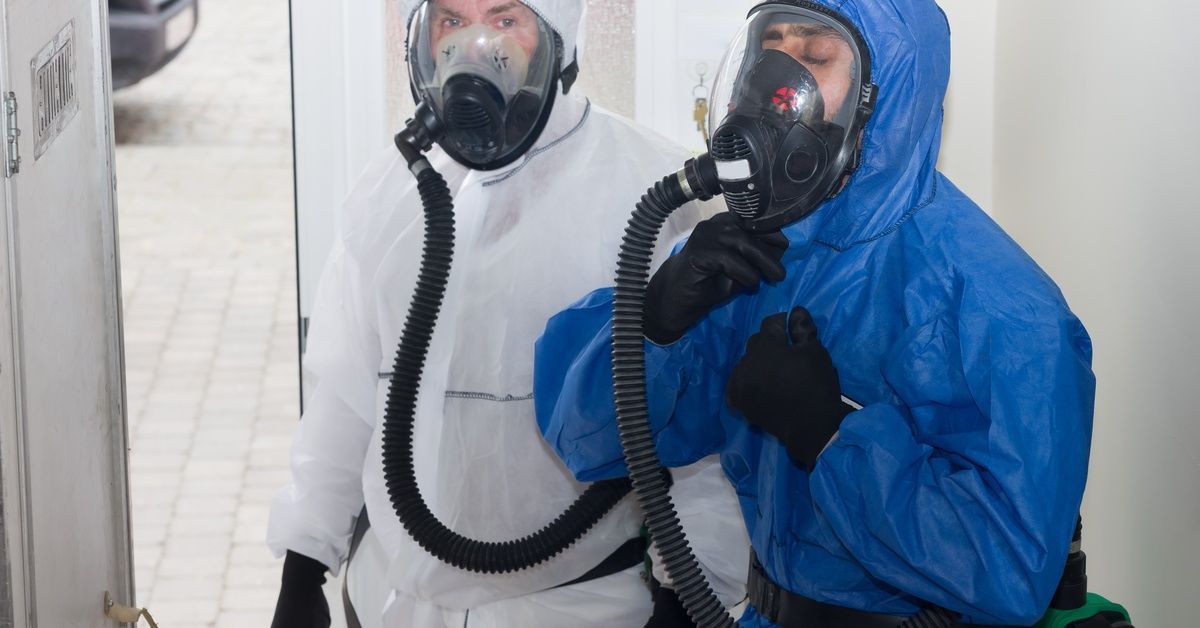
If your project requires removal, trained professionals establish a controlled work area to limit the spread of asbestos fibers. They then remove the material using controlled procedures and arrange for proper waste disposal. Depending on the project, additional cleaning and clearance procedures may apply.
Encapsulation Takes Another Approach
In some situations, professionals can address asbestos-related concerns without removing the material. Encapsulation involves applying a specialized product that seals or binds asbestos fibers, helping prevent their release. Unlike removal, encapsulation leaves the asbestos-containing material in place.
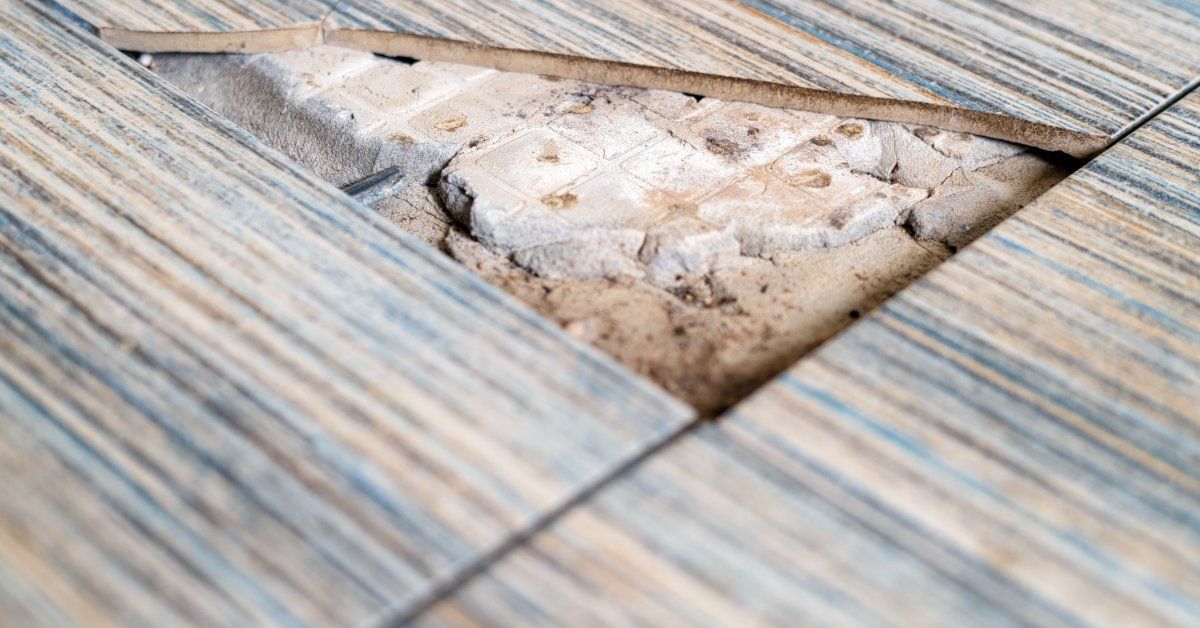
Encapsulation may be appropriate when the material is in suitable condition and professionals can treat it without disturbing it. However, damaged surfaces or future renovations could make this approach inappropriate. You'll also need to inform future contractors about the treated material before they begin renovations.
Compare Your Available Options
The difference between asbestos abatement and encapsulation comes down to their scope: abatement covers several methods, while encapsulation is one of those methods. As a result, choosing between removal and encapsulation depends on the material's condition and the work you have planned.
When comparing removal and encapsulation, consider the following factors with a qualified professional:
- Material handling: Removal takes asbestos-containing material out of the property
- Long-term management: Encapsulated material remains in place and may require future monitoring
- Future renovations: Encapsulated surfaces may require special precautions during remodeling
- Material condition: Deterioration may limit the suitability of encapsulation
- Project requirements: Applicable regulations may influence which approach professionals can use
Professional Evaluation Comes First
If you're planning asbestos abatement in Massachusetts, qualified professionals can evaluate the material and recommend an appropriate approach that meets applicable requirements. It's also worth discussing any responsibilities you'll have after the work ends.
Depending on the project, removal may require clearance procedures, while encapsulated materials may need periodic inspections. Keep records of the work so future contractors know where asbestos-containing materials remain.
Make an Informed Decision
Choosing the right approach to asbestos depends on the material's condition and your plans for the property. Once you understand the available methods, you can discuss your options with a qualified professional instead of making assumptions about removal. Air Safe Inc. provides asbestos removal services for homeowners throughout Eastern Massachusetts. If you're planning a project involving asbestos-containing materials, contact us to discuss your removal needs and determine the next steps.