What Is the Zonolite Trust and How Can Homeowners Benefit
If you own an older home, you may wonder what options exist if you discover vermiculite insulation in the attic. Fortunately, financial assistance may be available through the Zonolite Trust, creating meaningful benefits for homeowners who qualify. You don't have to sort through the process alone because reliable information helps you make informed decisions. As you gather details about your insulation, you'll gain a clearer picture of the next steps and the resources available to you.
Why the Trust Exists
Many homes built during the twentieth century contain vermiculite attic insulation that came from the Libby, Montana mine. Testing later revealed that some of that material contained asbestos, creating health concerns when fibers became airborne through disturbance. Because of those findings, a settlement led to the foundation of the Zonolite Attic Insulation Trust to help eligible homeowners recover part of their remediation costs.
Who May Qualify
You may qualify if your home contains Zonolite attic insulation that meets the trust's eligibility standards. Documentation plays an important role because the trust reviews evidence before approving reimbursement. Therefore, keeping inspection reports, photographs, and project records becomes an important part of the process.
Before submitting your claim, gather the following materials:
- Photographs showing the attic insulation before removal
- Inspection reports identifying qualifying Zonolite insulation
- Contractor invoices documenting completed removal work
- Proof of payment for eligible project expenses
- Completed trust claim forms with supporting documentation
Professional Removal Matters
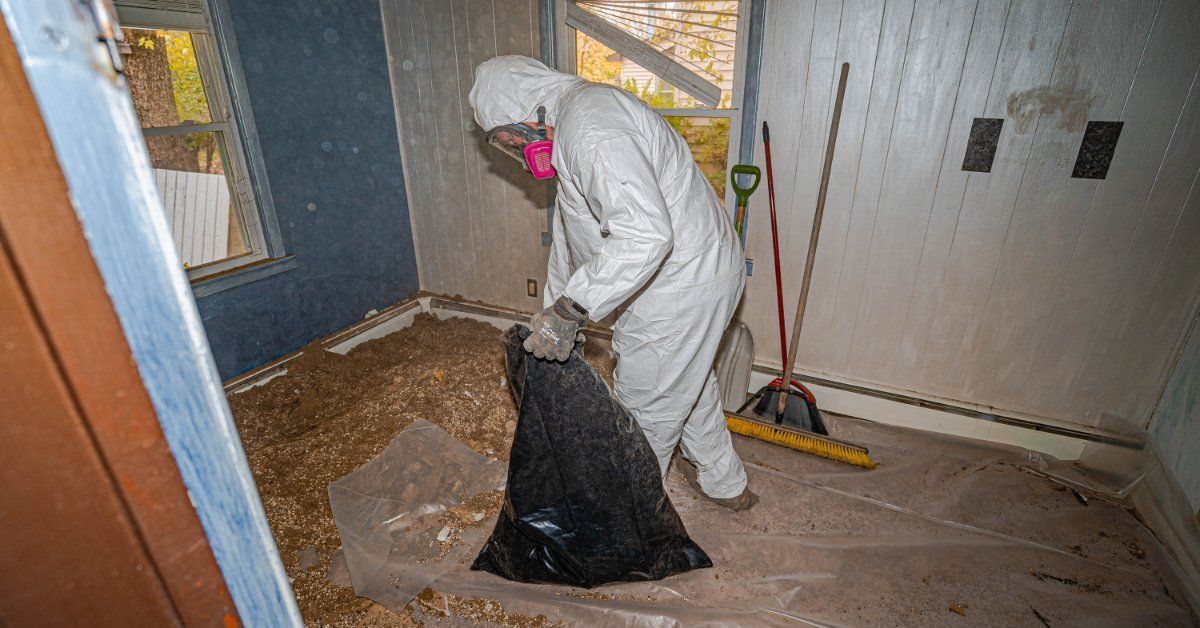
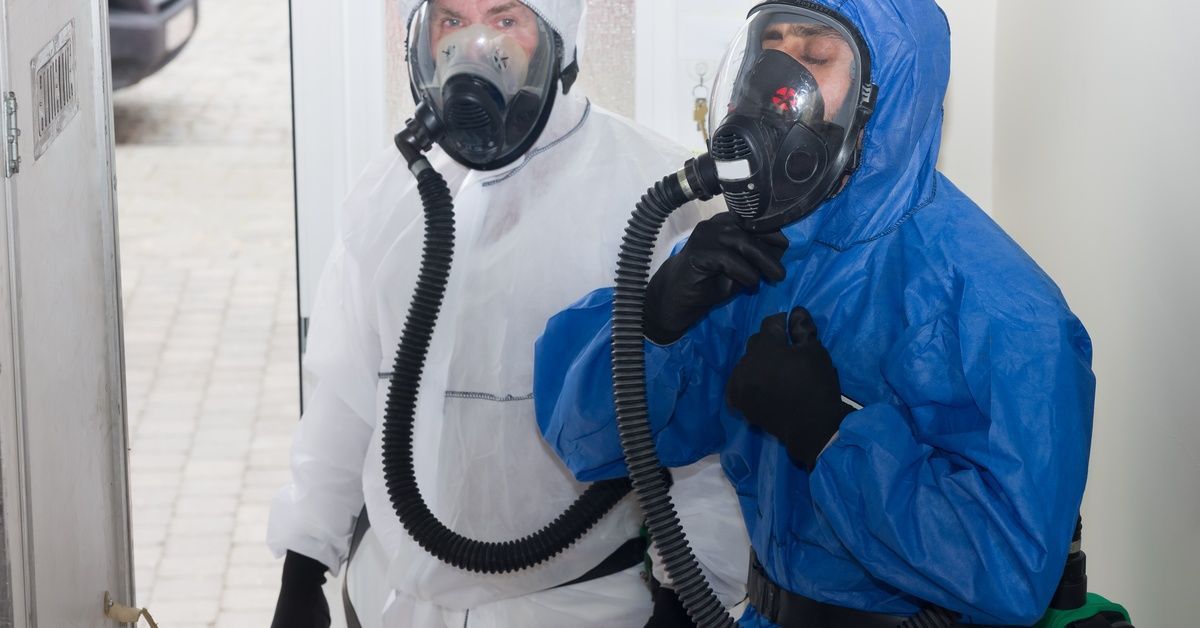
If vermiculite insulation contains asbestos, disturbing it without adequate precautions increases the chance of releasing microscopic fibers into the air. Instead of attempting the work yourself, you should rely on trained professionals who understand containment procedures and safe removal practices. That approach protects your household while supporting proper documentation for reimbursement.
Professional vermiculite removal involves careful containment, specialized equipment, and disposal methods that follow applicable regulations. You also receive project records that may support a Zonolite Trust claim when your insulation qualifies. Choosing experienced professionals helps protect your home throughout every stage of the project.
File Your Claim
Once the qualified work is completed, you'll submit your claim along with the required supporting documents. The trust reviews each application individually before determining reimbursement eligibility. Processing times vary, so patience is part of the experience.
You can simplify the process by reading every instruction carefully before submitting paperwork. Clear documentation reduces unnecessary delays and gives reviewers the information they need to evaluate your claim. Careful preparation makes each step easier to manage.
The Zonolite Trust is a helpful resource if you discover qualifying vermiculite insulation in your home. Understanding the requirements helps you make confident decisions while avoiding unnecessary setbacks. If questions arise about your insulation, our team at Air Safe can provide professional guidance based on years of experience serving homeowners throughout Eastern Massachusetts. Reach out today to discuss your situation and take the next step toward a safer home.