How Common Was Asbestos in Housing Construction?
An older home can hold decades of history behind its walls, including materials you wouldn't recognize today. If you've ever wondered how common asbestos was in housing construction, the answer might surprise you. Builders once relied on this mineral because it offered practical benefits that made it attractive for residential projects. Although construction practices have changed, many homes still contain materials from that earlier era.
Why Builders Used Asbestos
During much of the twentieth century, manufacturers incorporated asbestos into building products because of its natural heat resistance. Its durable fibers also helped strengthen certain materials, making it appealing for long-term use.
At the time, builders could purchase asbestos-containing products for various residential applications. These materials became familiar choices, especially during periods of widespread home development. Consequently, you may encounter them in properties that have undergone few major updates.
When Was Asbestos Most Common?
If your home’s construction dates back to the 1930s through the 1970s, it has a higher likelihood of containing materials with asbestos. However, manufacturers didn't eliminate every asbestos-containing product at once. Restrictions developed over time, and some products remained available after others disappeared from the market. Therefore, a home's construction date provides useful context but can't confirm what materials builders installed.
Where You Might Find Asbestos
You won't necessarily notice suspicious materials during a routine walk through your home. Previous owners may have covered older surfaces during renovations, leaving original products beneath modern finishes. Other materials remain out of sight in areas you rarely access.
Some examples of where asbestos-containing materials may appear include:
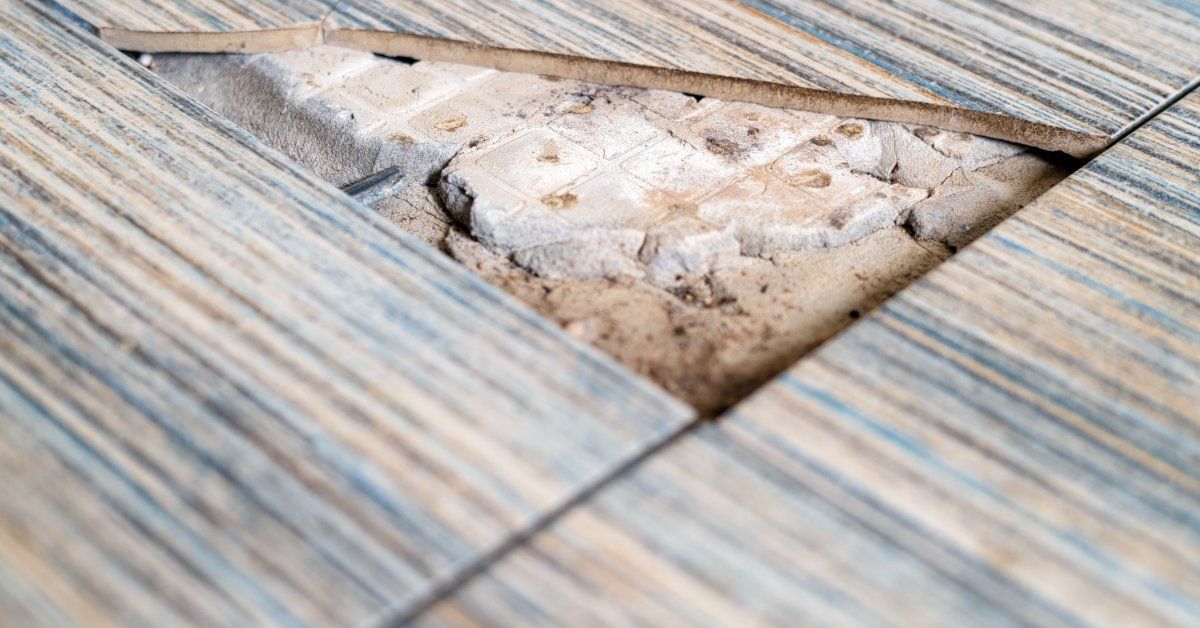
- Flooring: Certain older vinyl tiles and their adhesives
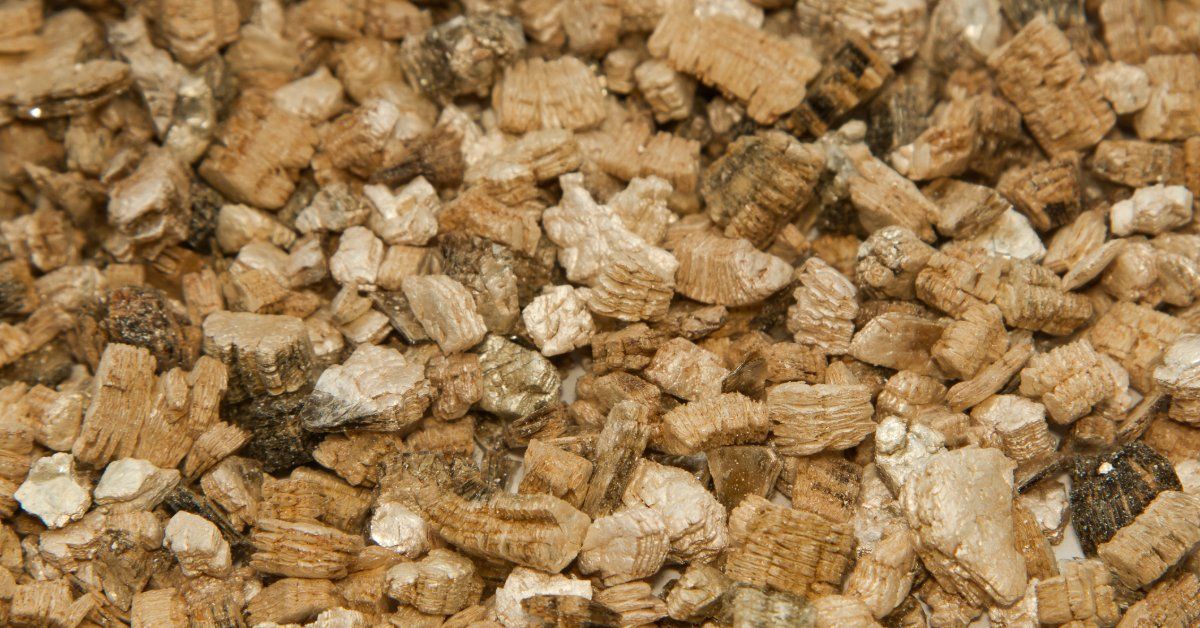
- Attics: Some vermiculite insulation contaminated with asbestos
- Ceilings: Certain textured finishes and ceiling tiles
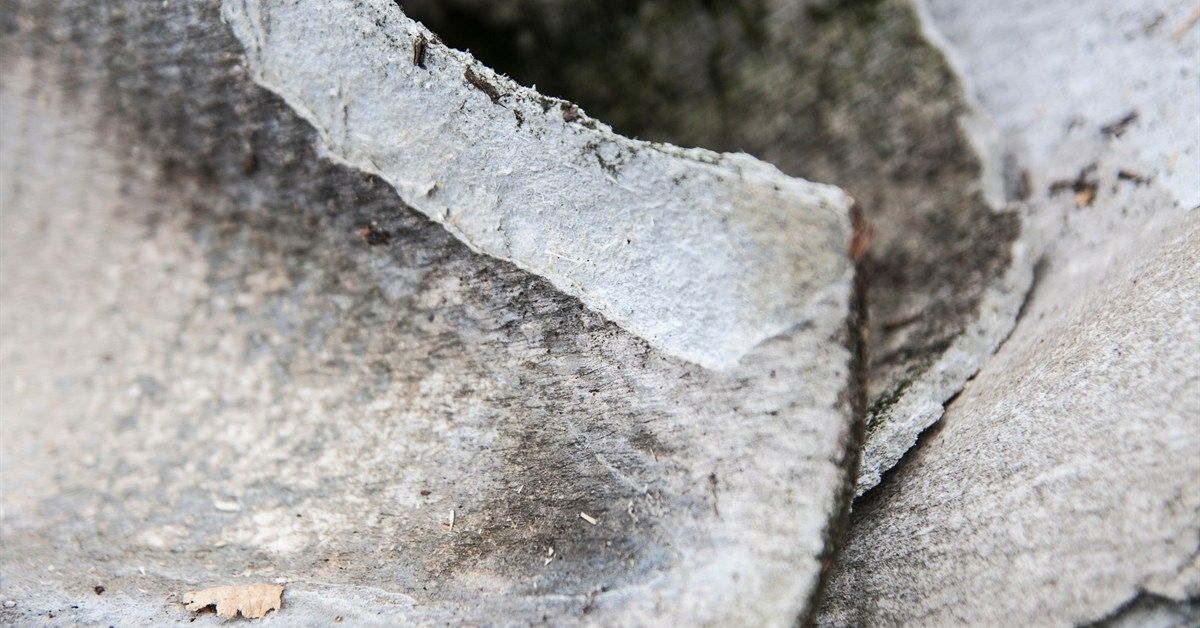
- Exteriors: Older asbestos-cement siding and roofing shingles
- Heating systems: Insulation surrounding older pipes and boilers
Does Every Older Home Have It?
You shouldn't assume your house contains asbestos simply because builders completed it decades ago. Construction methods varied, and homeowners have replaced many original materials through subsequent renovations.
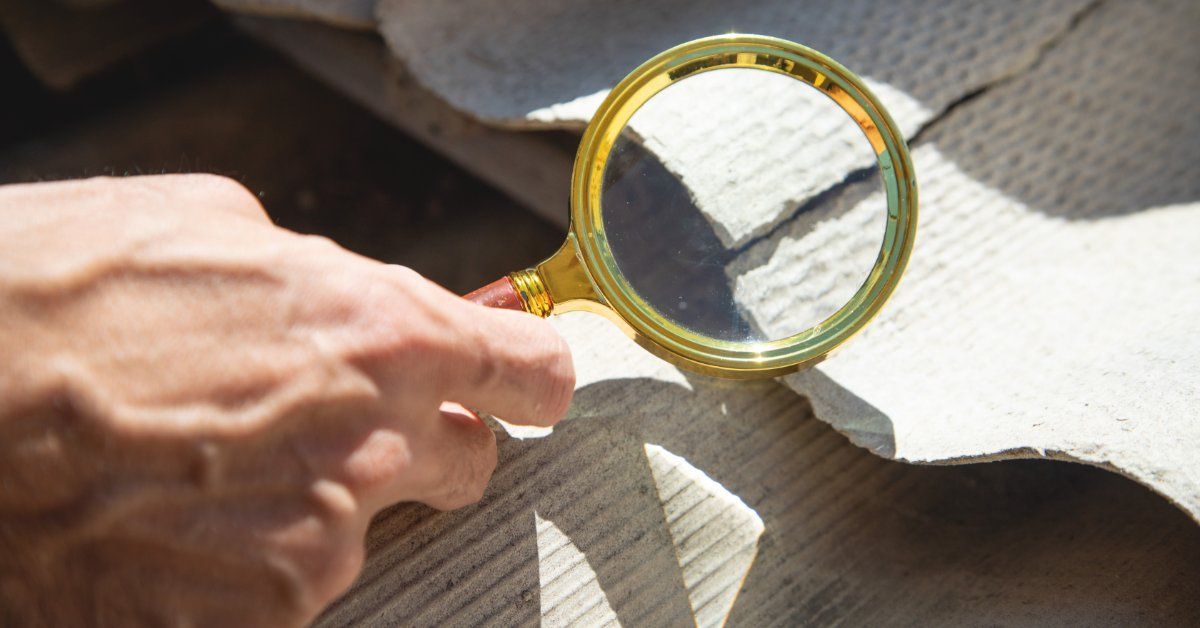
Similarly, appearance alone won't tell you whether a particular product contains asbestos. If you're concerned about something in your home, a qualified inspector can arrange appropriate sampling and laboratory analysis. That information helps you make decisions based on the material's actual composition rather than its age.
What Happens When You Find It?
Discovering asbestos doesn't automatically mean you need to remove it. If the material remains intact and nobody plans to disturb it, leaving it alone may be appropriate.
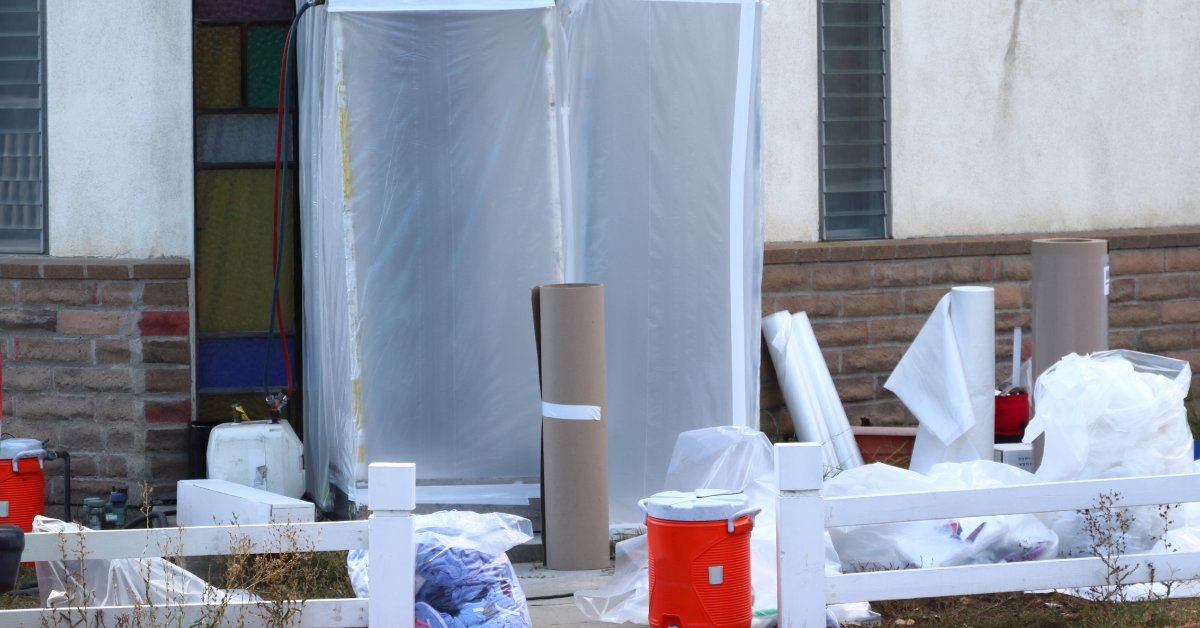
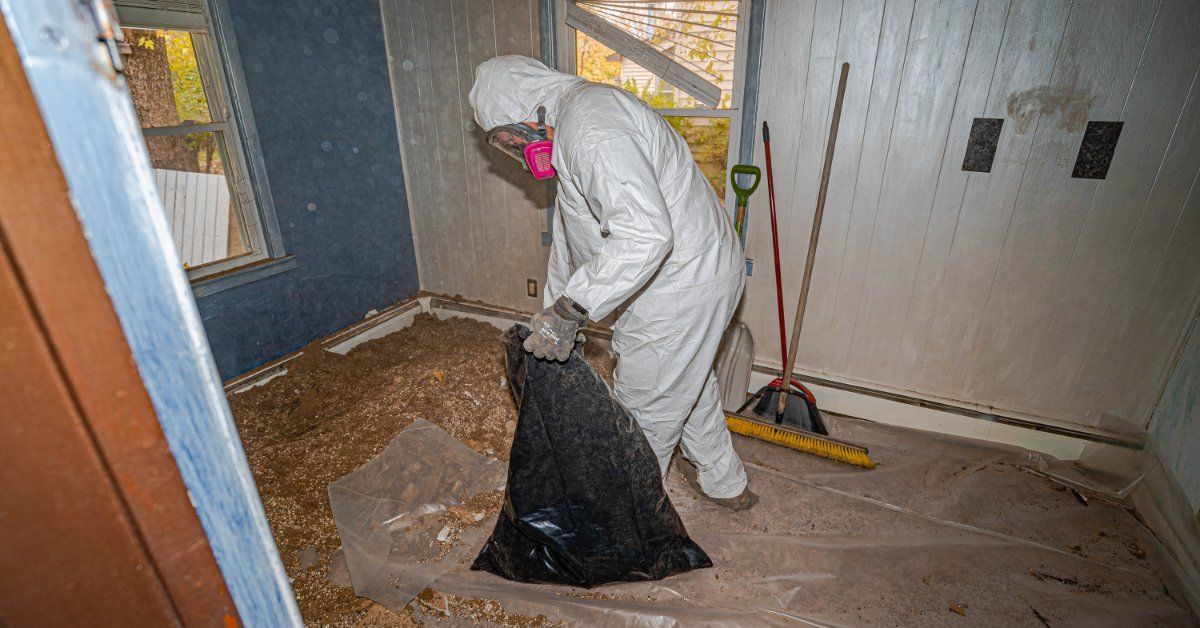
Renovation plans change that conversation because cutting into asbestos-containing materials can release fibers. A qualified asbestos removal company specializes in removing these materials using procedures that control exposure and comply with applicable requirements. You can discuss the project's scope once you've identified the affected areas.
Knowing how widely builders used asbestos gives you a better perspective on your home's history. More importantly, you can approach upcoming improvements without making assumptions about older materials. Air Safe Inc. provides asbestos removal services throughout Eastern Massachusetts, helping homeowners address confirmed materials when removal becomes necessary. Contact us to discuss your property's needs and plan your next project with greater confidence.