Places Where Asbestos Is Still Actively Mined
Quarries around the world still dig for asbestos because they believe it to be an ideal insulation method. As studies came out about the harmful effects of asbestos on homeowners and miners, most asbestos mines shuttered. Nevertheless, there are some places where asbestos is still actively mined.
Active Mines
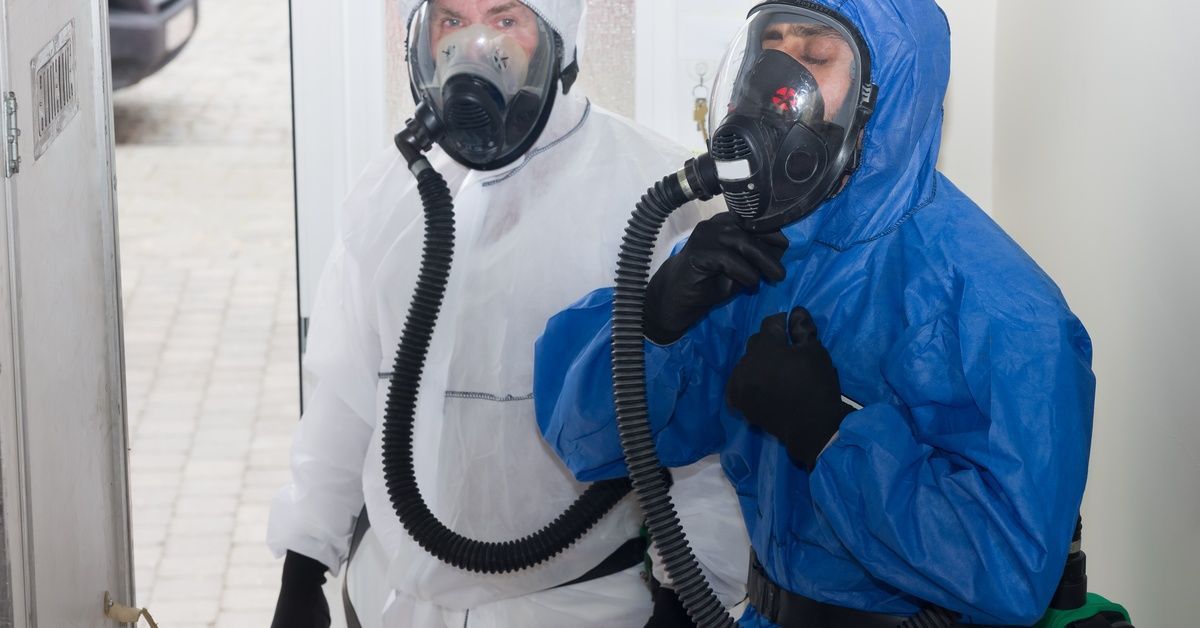
Asbestos is still excavated in some parts of the world. Many experienced U.S. miners go overseas to dig in these mines. Unfortunately, those miners return home with long-term health problems from prolonged asbestos exposure.
Where exactly is asbestos still mined? Much of the operation remains in Russia, but other countries also have active pits.
Aside from Russia, here are the countries where active mines still produce asbestos:
- Kazakhstan
- China
- Brazil
- Zimbabwe
Russia mined close to 790,000 metric tons of asbestos in 2020, while Kazakhstan excavated about 210,000 tons. Since the rise of asbestos mining, many communities have developed lung problems and other illnesses.
Asbestos Mining in North America
Mining was a necessity for many places in North America, especially because we needed many important minerals to insulate homes. When it came to mining asbestos, many of the miners didn’t know the material would be harmful.
The only North American country that has banned asbestos is Canada, which put a ban on the mineral in 2008. While Mexico and the U.S. do not have any official bans on mining asbestos, asbestos is no longer mined in those countries.
Items Associated With Mining
Even though Canada and many other countries have banned asbestos, production hasn’t halted for products like the ones below.
Gaskets
Gaskets are made with asbestos to avoid factory fires when using heavy equipment with high heat. The workers who cut and replace gaskets risk exposure.
Pipe Insulation
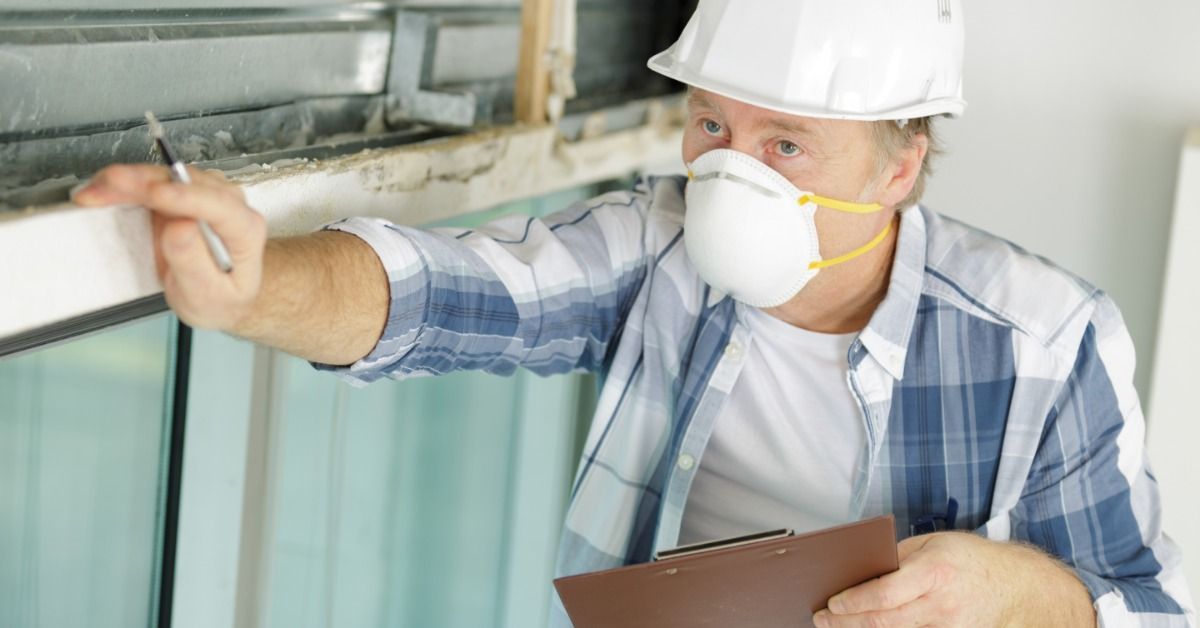
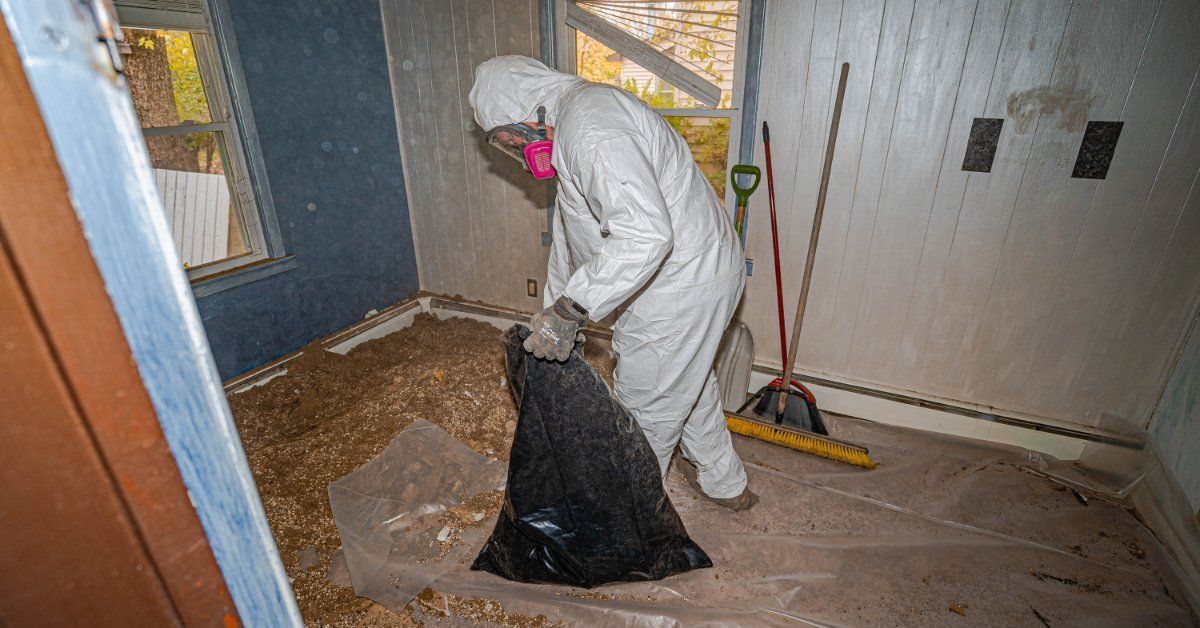
Pipe insulation is standard in many older homes. However, modern homeowners who discover asbestos-coated pipes should contact an asbestos abatement company for inspection and removal.
Transit Panels
Mines are notorious for heat, so the solution was transit panels, which help ventilate the area and keep the tunnels cool. However, even these were laced with asbestos and harmed many workers that didn’t wear protective gear.
What Happens to the Affected Communities?
Mining towns were abandoned and laid desolate because of illness from asbestos exposure. After mining towns went under, many businesses moved away, and the populations decreased, especially considering those who passed after developing long-term symptoms.
In America, there were mines scattered everywhere for nearly every mineral, including asbestos. These are the states that had the most asbestos mines:
- Georgia
- California
- Oregon
- Washington
Even though these mines closed down, that doesn’t mean asbestos isn’t still produced today. If you ever think about placing new insulation in your home, reflect back on the places where asbestos was mined to remind yourself not to fill your walls with this mineral.
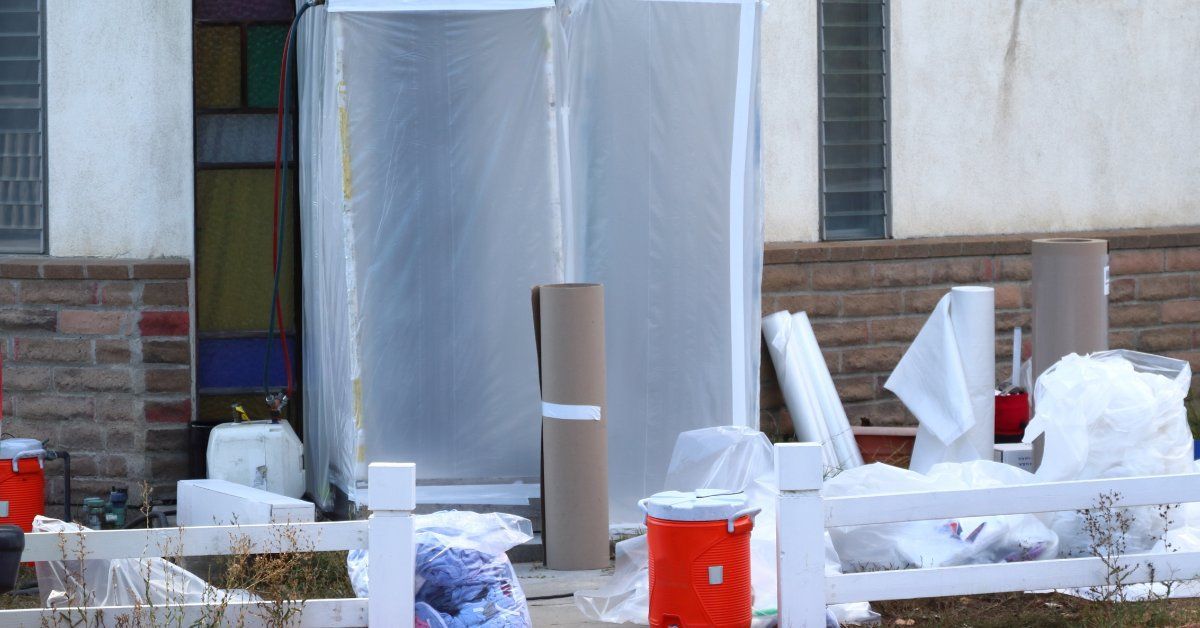
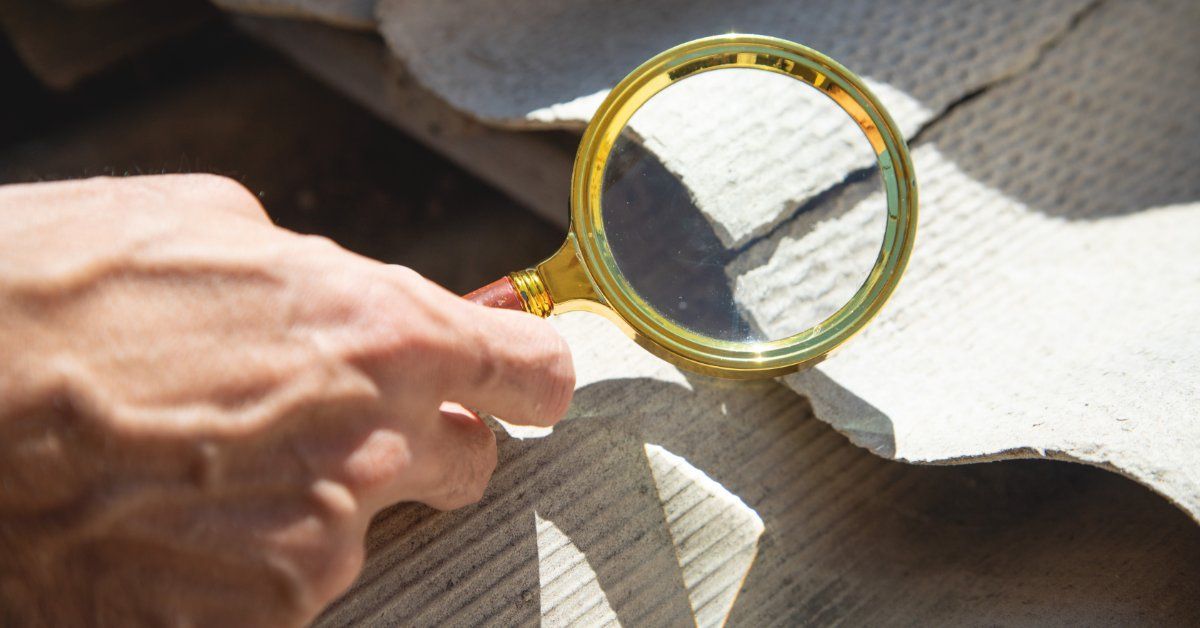
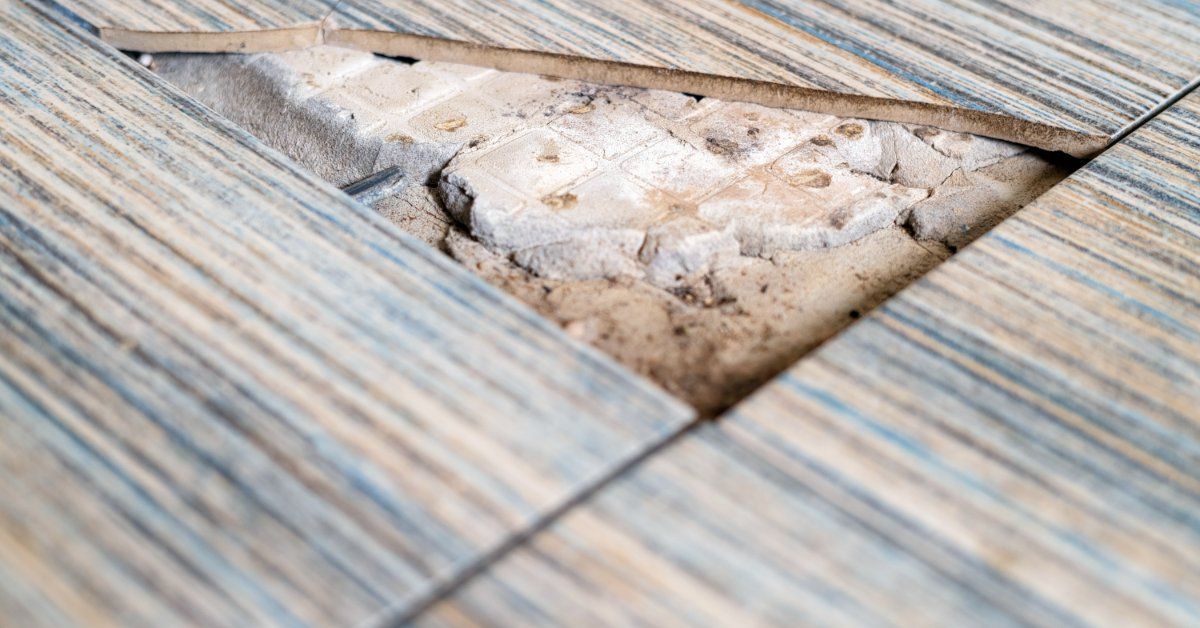
It’s essential to check your home for asbestos, especially if it’s an older home. Air Safe Inc provides safe strategies and cleaning procedures to ensure there’s no more asbestos. For more information on asbestos removal, contact us here.The body content of your post goes here. To edit this text, click on it and delete this default text and start typing your own or paste your own from a different source.